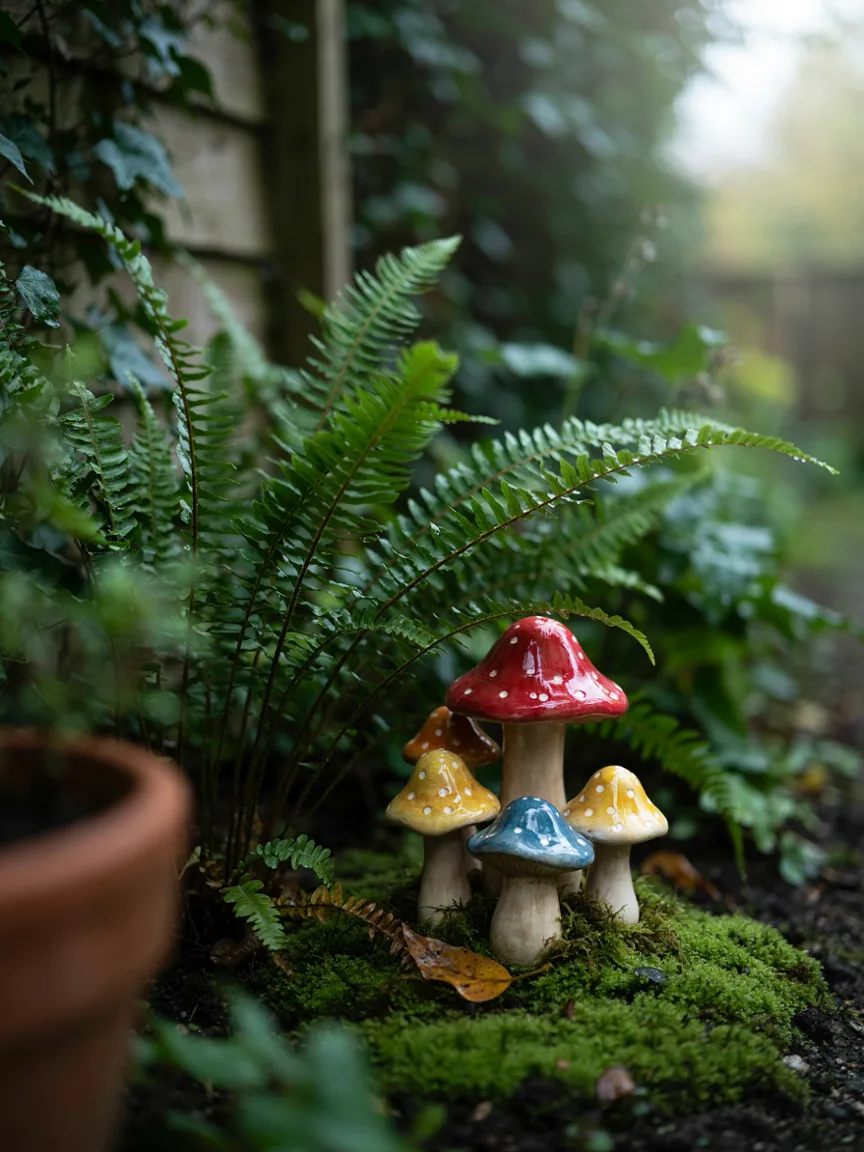
There is something quietly magical about spotting a cluster of mushrooms tucked beneath a shrub or lining the edge of a garden path. Real mushrooms pop up unpredictably, often overnight, and that sense of surprise is exactly what mushroom garden decor tries to capture, minus the guesswork of actual fungi growth. Over the past few years, mushroom garden decor has grown from a niche cottagecore accessory into one of the most requested categories in outdoor decorating.
Part of the appeal is versatility. A few small mushroom figures scattered through a flower bed can add a playful, fairy tale feel, while a single piece of large mushroom garden decor placed near an entryway can act as a genuine focal point, the kind of statement piece neighbors ask about. Whether you are drawn to muted, natural toned mushrooms that blend into a woodland style garden or bright, polka dotted toadstools that bring a pop of color to a children’s play area, there is a style of mushroom decor for nearly every taste.
This guide covers everything you need to know before buying mushroom garden decor: the materials available, how size and scale affect the final look, styling ideas for different garden types, and how to keep your pieces looking good through every season. By the end, you will have a clear sense of which mushroom decor pieces are right for your space and how to arrange them so they actually look intentional.
What Is Mushroom Garden Decor and Why Gardeners Love It
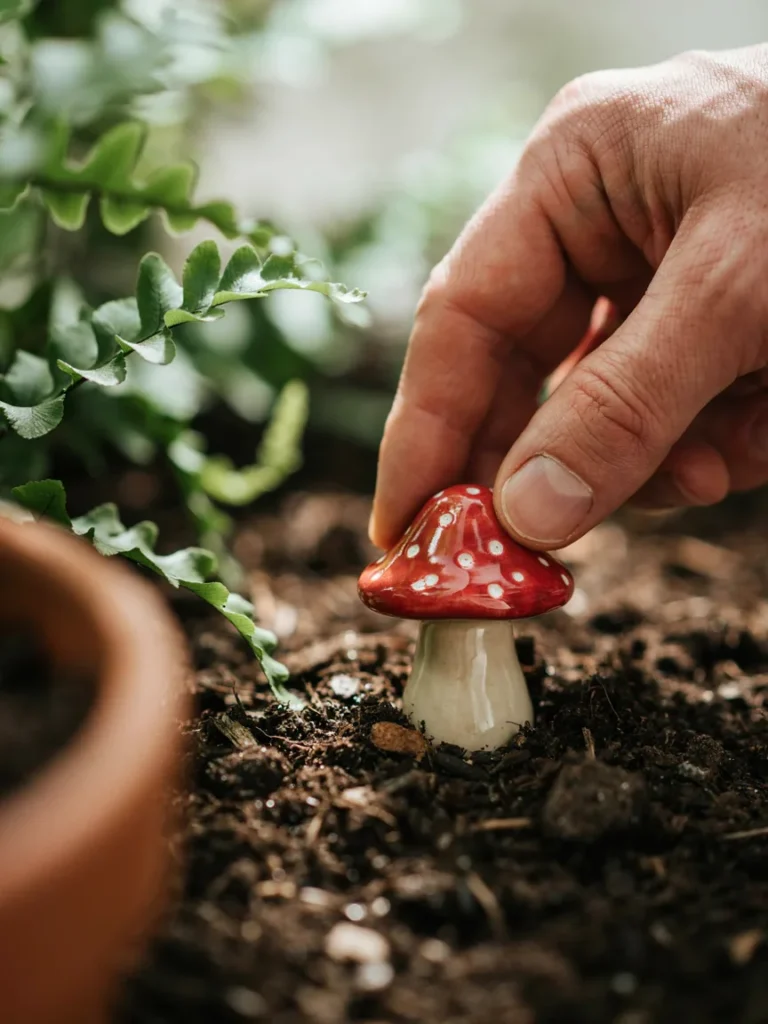
Mushroom garden decor refers to any decorative mushroom shaped object designed for outdoor display, whether that is a single small toadstool tucked into a flower pot or a large sculptural mushroom used as a standalone yard feature. Unlike many garden ornaments modeled after animals or mythical creatures, mushrooms occupy a unique middle ground. They read as natural, since real mushrooms genuinely grow in gardens and forests, while also allowing for playful, almost storybook color choices that would look out of place on a realistic animal statue, making them a charming addition to cottage garden decor ideas.
Gardeners tend to gravitate toward mushroom decor for a few practical reasons. First, mushrooms work at nearly any scale, which makes them easy to fit into an existing landscape without a major redesign. Second, they suit an enormous range of garden styles, from woodland and cottage gardens to modern minimalist patios and whimsical children’s spaces. Third, mushroom decor pairs naturally with shade loving plants like ferns, hostas, and moss, which are often difficult to accessorize with flowering focal points.
There is also a nostalgic, storytelling quality to mushroom garden decor. Many people associate mushroom shapes with childhood books and fairy tales, and placing a few toadstool statues along a path or beneath a tree can genuinely change how a space feels, adding a sense of whimsy without requiring any structural changes to the garden itself.
Types of Mushroom Garden Decor by Material
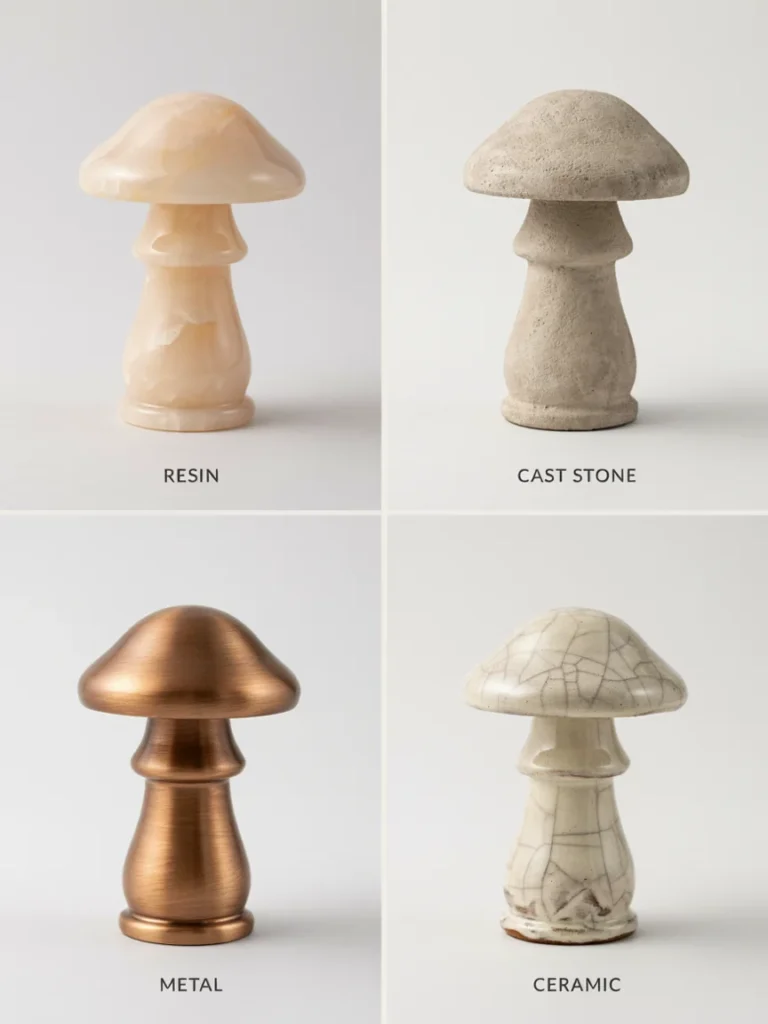
Material choice affects how a mushroom statue looks, how long it lasts outdoors, and how much upkeep it will need. Here is a breakdown of the most common options.
Resin Mushroom Decor
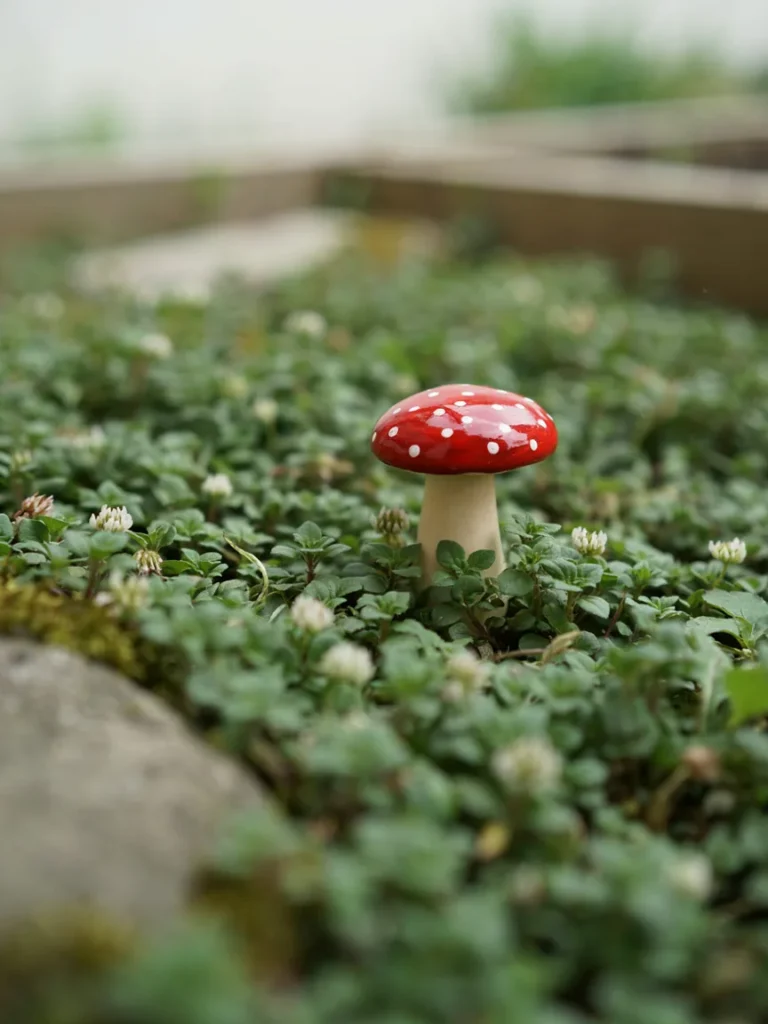
Resin is the most widely used material for mushroom garden decor, and for good reason. It is lightweight, relatively inexpensive, and can be molded into highly detailed shapes, from smooth modern caps to textured, bark like stems. Most resin mushrooms are finished with UV resistant paint, though the quality of that coating varies between brands. Budget pieces left in direct, intense sun for multiple seasons may fade faster than higher end options, so it is worth checking product descriptions for UV protection ratings, especially if you are considering large mushroom garden decor that will be a permanent fixture.
Cast Stone and Concrete Mushroom Decor
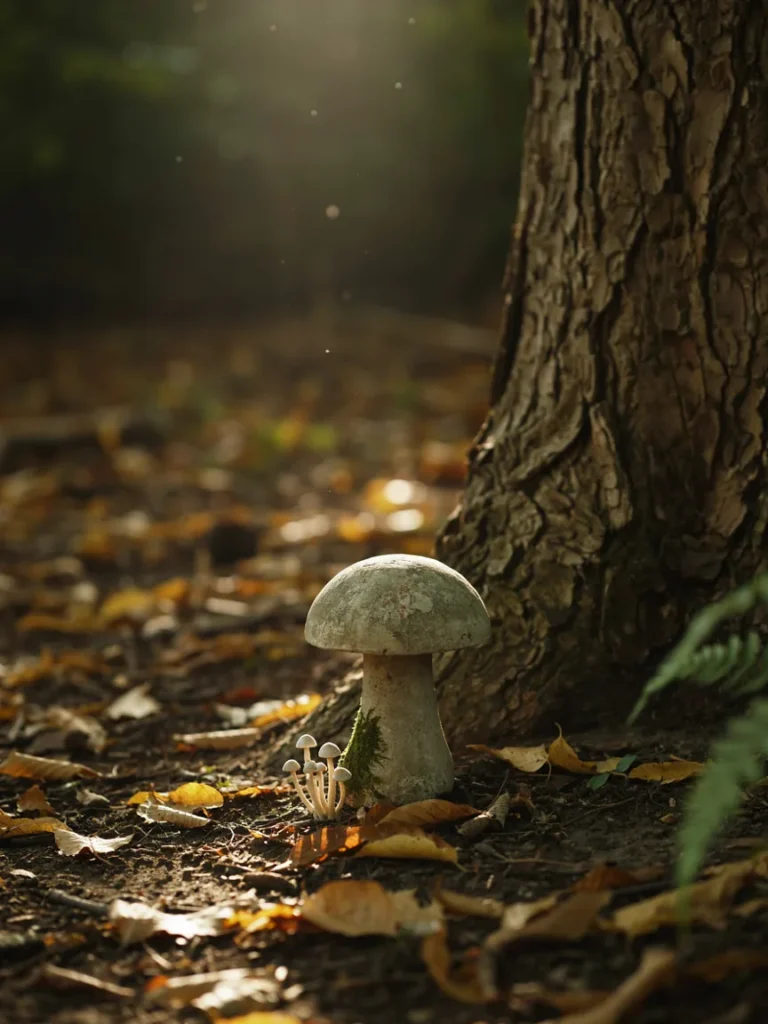
Cast stone and concrete mushrooms have a heavier, more grounded look that suits naturalistic or woodland gardens particularly well. Because of their weight, these pieces resist tipping in windy conditions and tend to stay exactly where you place them, which makes them a strong choice for larger statement pieces. The main consideration is that concrete can crack during repeated freeze and thaw cycles if it is not properly sealed, so gardeners in colder climates should look for pieces specifically rated for outdoor winter use.
Metal Mushroom Decor
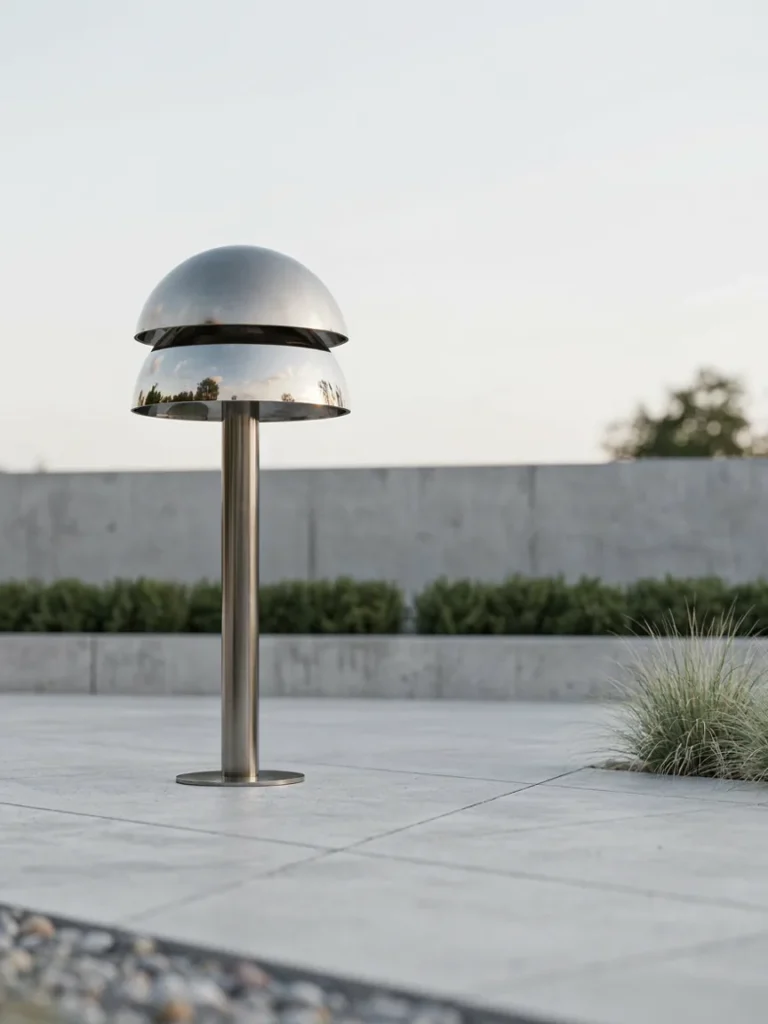
Metal mushroom decor, often made from steel, copper, or aluminum, brings a more contemporary edge to the category. Polished or powder coated metal mushrooms work well in modern landscapes, while copper and untreated metal develop a natural patina over time that many gardeners find appealing rather than a flaw. Metal pieces are generally very durable and low maintenance, though very lightweight metal mushrooms may need to be anchored in high wind areas.
Ceramic Mushroom Decor
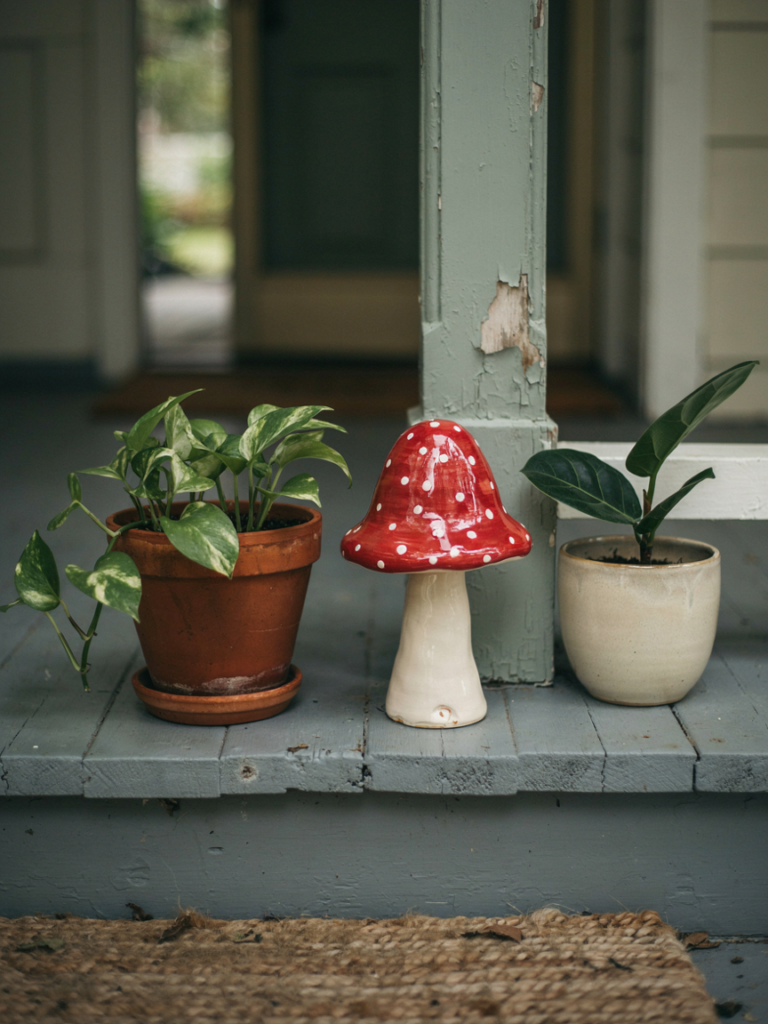
Ceramic mushrooms often feature detailed hand painted patterns, glossy glazes, and vibrant color combinations that catch the eye. They tend to work best in protected areas like covered patios or porches, since ceramic is more prone to chipping or cracking if knocked over or exposed to hard freezes without adequate glazing.
Wood and Carved Mushroom Decor
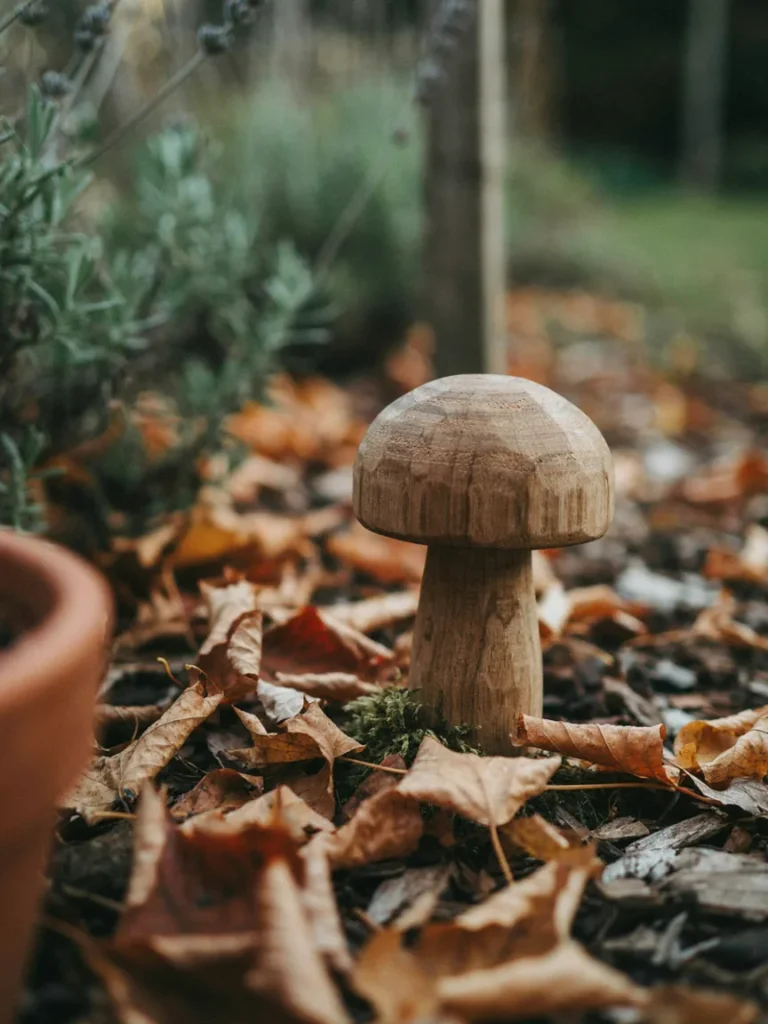
Carved wooden mushrooms bring a rustic, handmade quality to a garden and pair especially well with natural stone paths and untreated wood furniture. Wood requires more regular maintenance than other materials, typically needing a fresh coat of outdoor sealant every one to two years to prevent rot, warping, or insect damage.
Quick comparison for choosing mushroom garden decor material:
| Material | Best For | Maintenance Level |
| Resin | Budget friendly variety, bold colors | Low to moderate |
| Cast stone/Concrete | Large statement pieces, windy areas | Low |
| Metal | Modern gardens, long term durability | Low |
| Ceramic | Covered patios, decorative color accents | Moderate |
| Wood | Rustic or cottage garden styles | High |
Choosing the Right Size: Small Accents vs. Large Mushroom Garden Decor
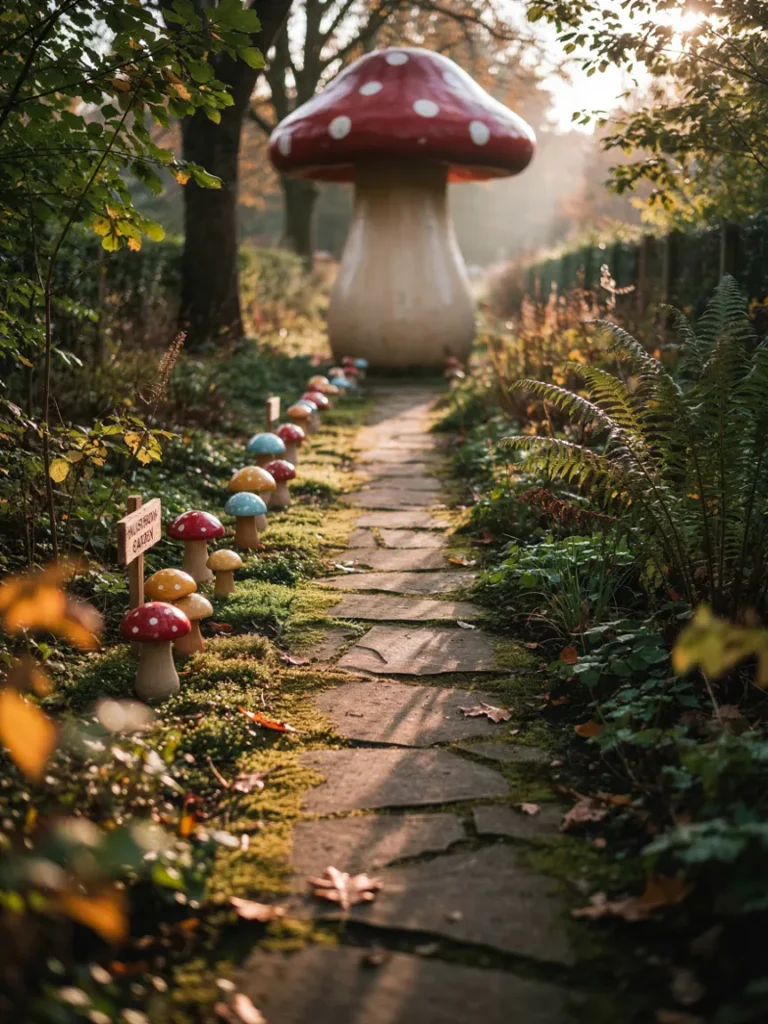
Size is one of the most important decisions when shopping for mushroom garden decor, since it directly affects how the piece will be used and where it will look best.
Small and Miniature Mushroom Decor
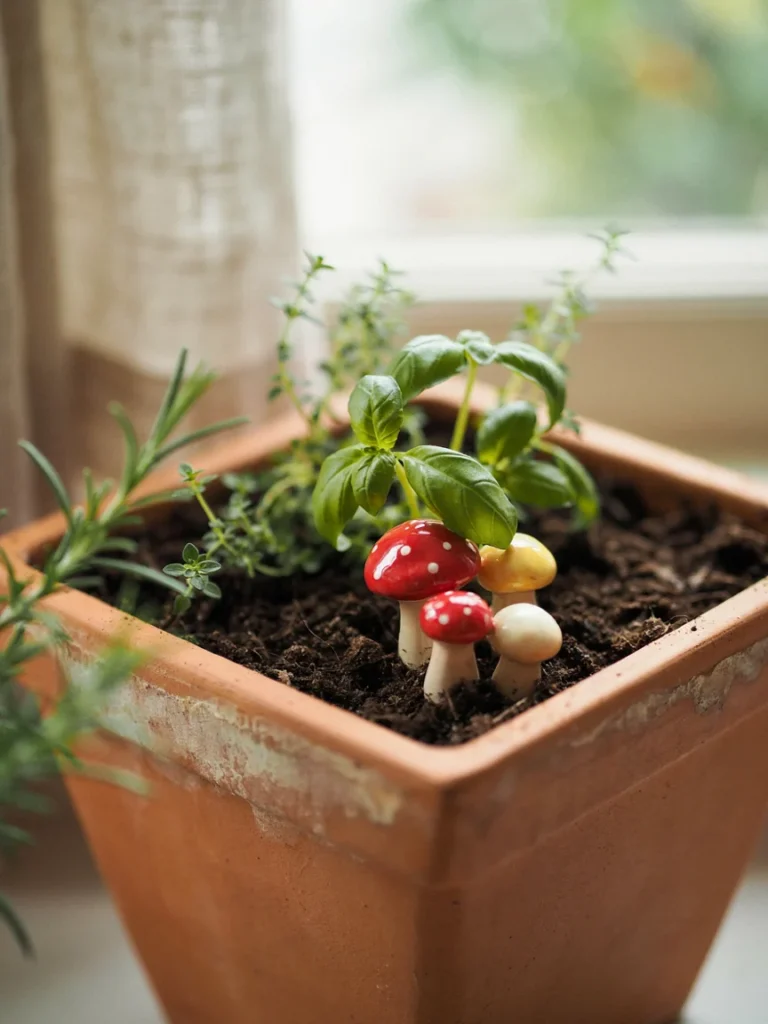
Small mushroom statues, typically under six inches tall, work best in groupings. Clustering three to five small mushrooms of varying heights near the base of a tree, along a garden edge, or within a fairy garden creates a natural, organic look that mimics how real mushrooms grow in clusters after rain. These pieces are also ideal for tucking into potted plants or window boxes where a larger statue would overwhelm the space.
Medium Sized Mushroom Decor
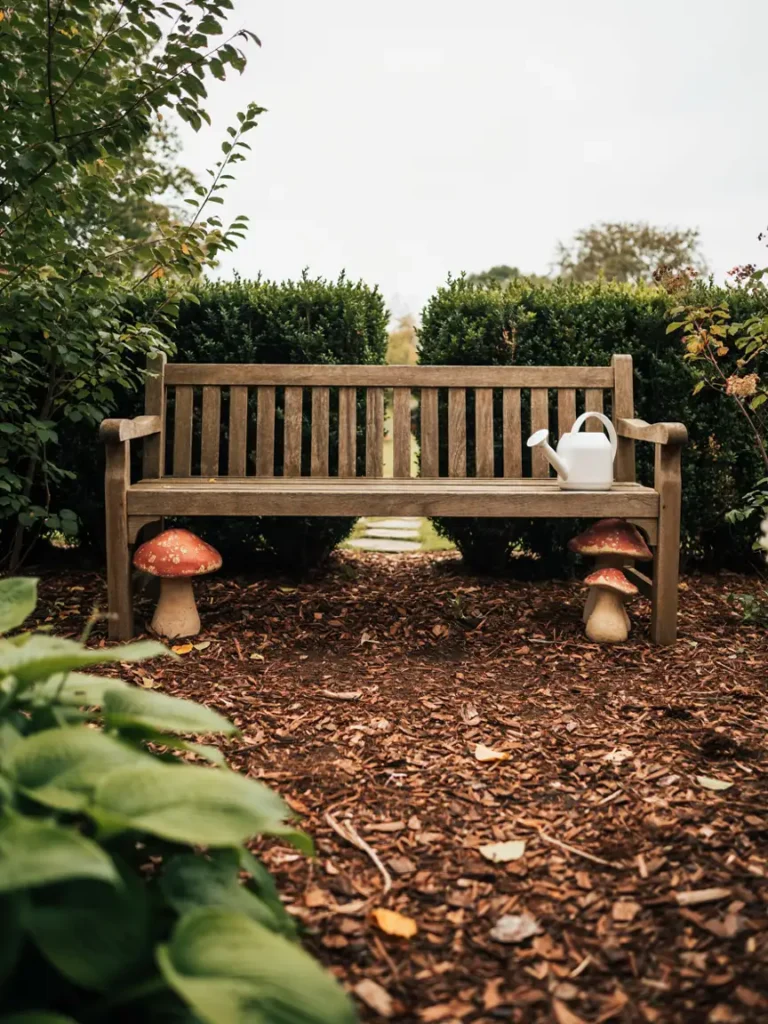
Medium mushrooms, generally in the six to eighteen inch range, function well as secondary focal points. A pair of medium mushrooms flanking a garden bench or bordering a stepping stone path adds visual rhythm without dominating the overall landscape design.
Large Mushroom Garden Decor
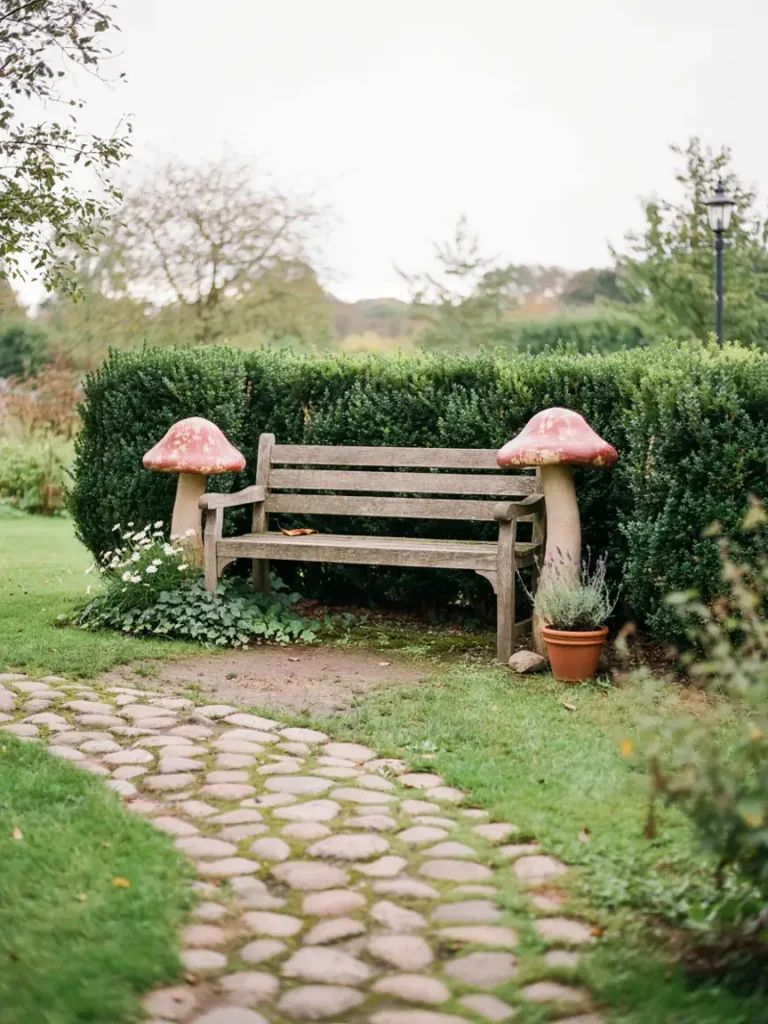
Large mushroom garden decor, often standing two feet tall or more, works best as a true standalone feature. These oversized pieces are frequently used near a front entrance, at the corner of a garden bed, or as a centerpiece within a themed children’s play area. Because large mushroom garden decor draws immediate attention, it pairs well with simpler surrounding plantings, allowing the statue itself to remain the visual star rather than competing with a busy, densely planted bed.
When shopping for large mushroom garden decor specifically, pay close attention to base stability and material weight. A large resin mushroom, while easier to move, may need to be secured or partially buried to prevent tipping in strong wind, whereas a large cast stone mushroom will typically stay put on its own due to sheer weight.
Popular Styles and Color Palettes for Mushroom Garden Decor
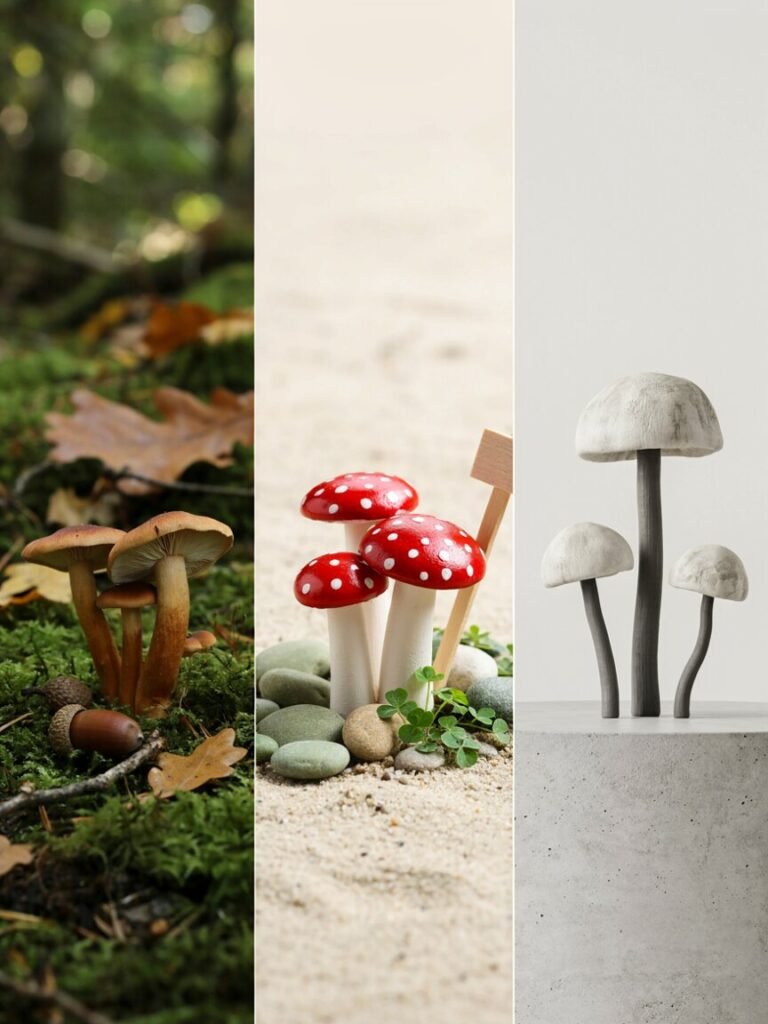
Mushroom decor spans a wider color and style range than many other garden ornaments, which makes it easy to match to almost any existing landscape.
Natural and Earth Toned Mushroom Decor
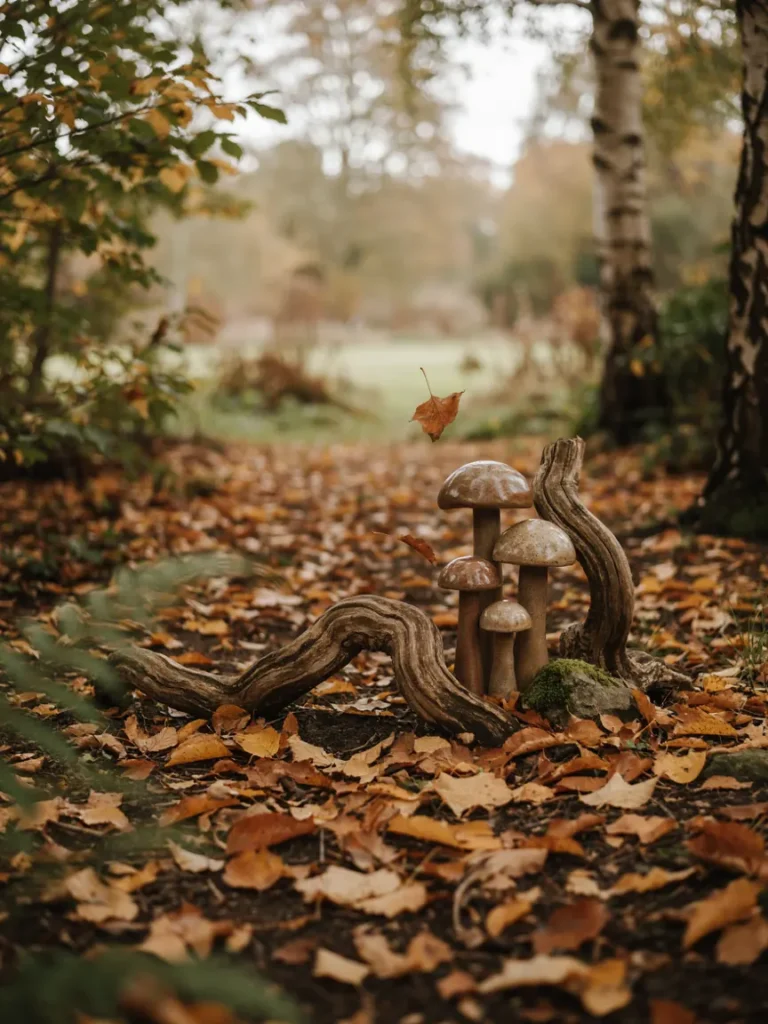
Muted browns, tans, and soft grays mimic the appearance of real forest mushrooms and blend seamlessly into woodland gardens, shaded beds, and naturalistic landscapes. These pieces work particularly well tucked near tree roots, along mulched paths, or among ferns and hostas.
Classic Toadstool Style Decor
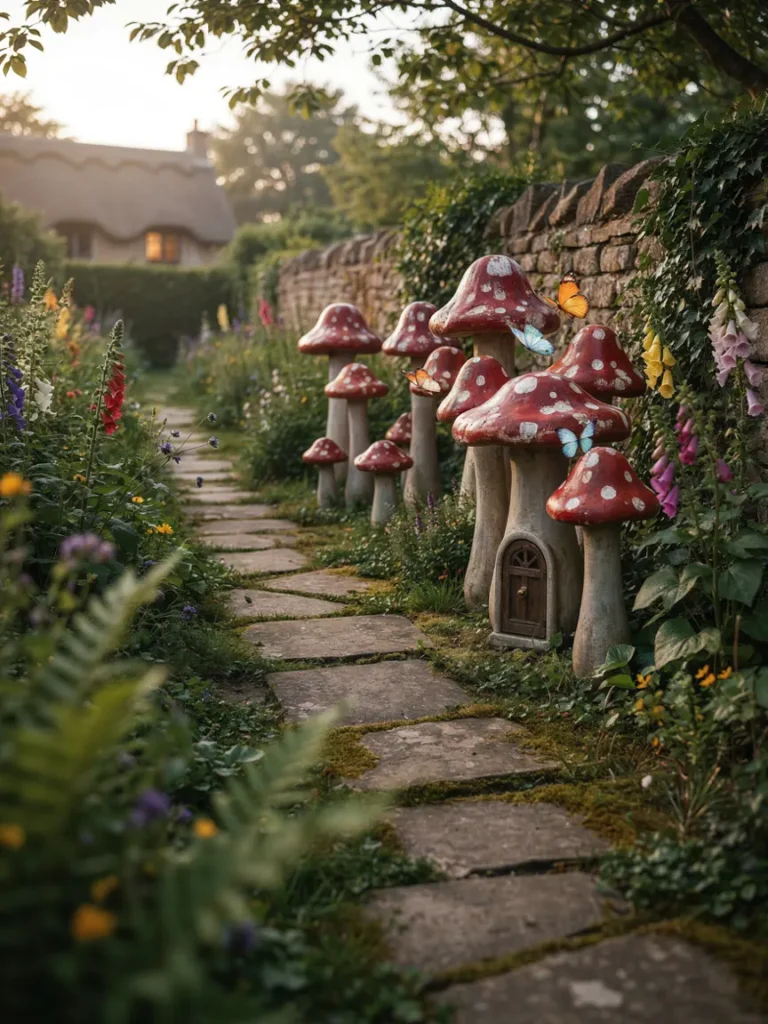
The red cap with white spots, made iconic by fairy tale illustrations, remains one of the most popular mushroom decor styles. Toadstool style pieces suit cottage gardens, children’s play areas, and any space designed with a storybook feel in mind.
Bright and Playful Mushroom Decor
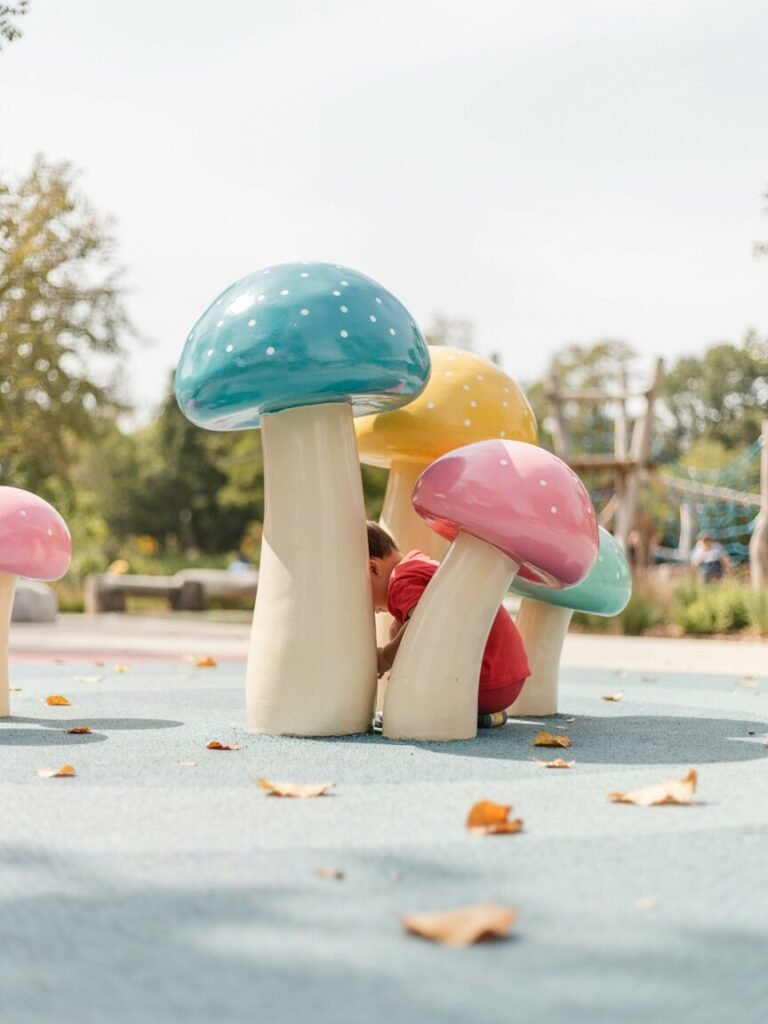
Bold colors like turquoise, yellow, purple, and hot pink have become increasingly popular in mushroom garden decor, especially for family gardens and outdoor play spaces. These pieces work best as accent points rather than the majority of a display, since too many bright colors together can start to visually compete.
Modern and Minimalist Mushroom Decor
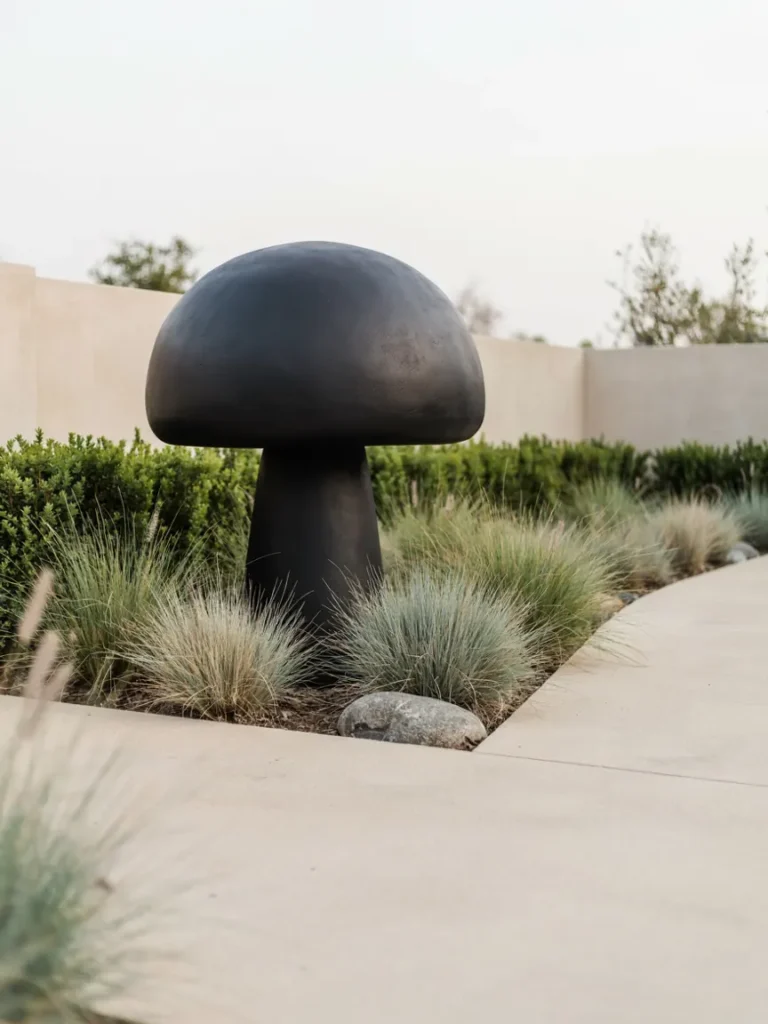
Simple, monochrome mushroom shapes in white, gray, or matte black finishes suit contemporary landscape designs, often paired with clean hardscaping, ornamental grasses, and architectural plants.
How to Choose the Right Mushroom Garden Decor for Your Space
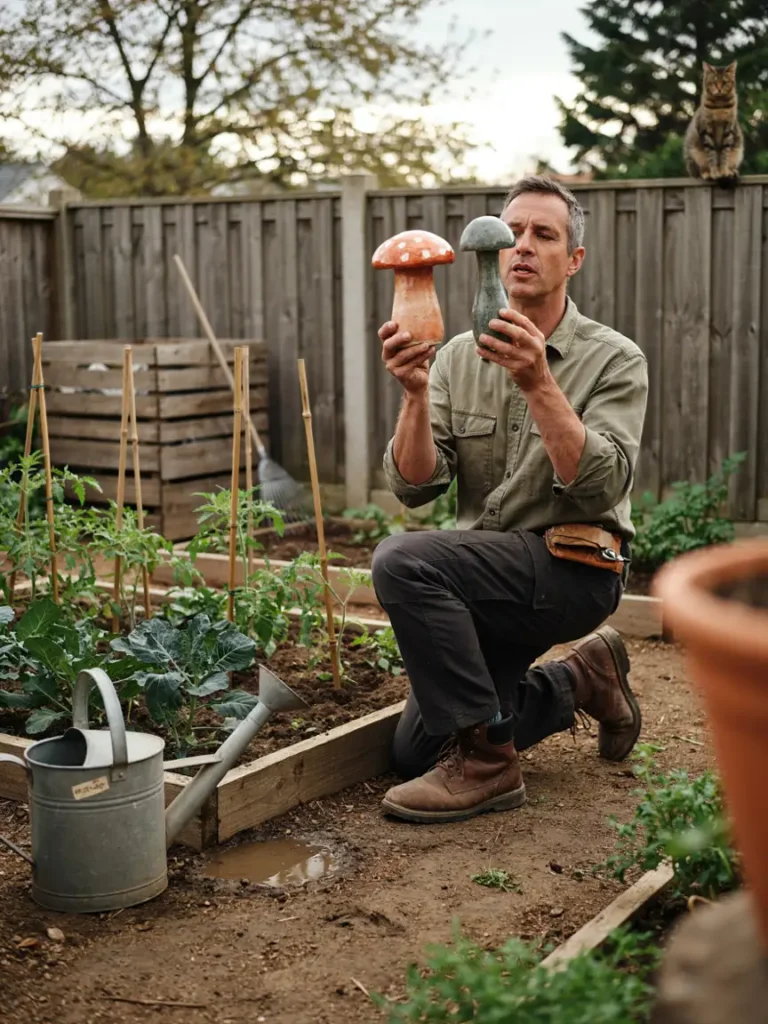
With so many materials, sizes, and colors available, narrowing down the right mushroom decor for your specific yard comes down to a handful of practical factors.
Match the Scale of Your Garden Beds
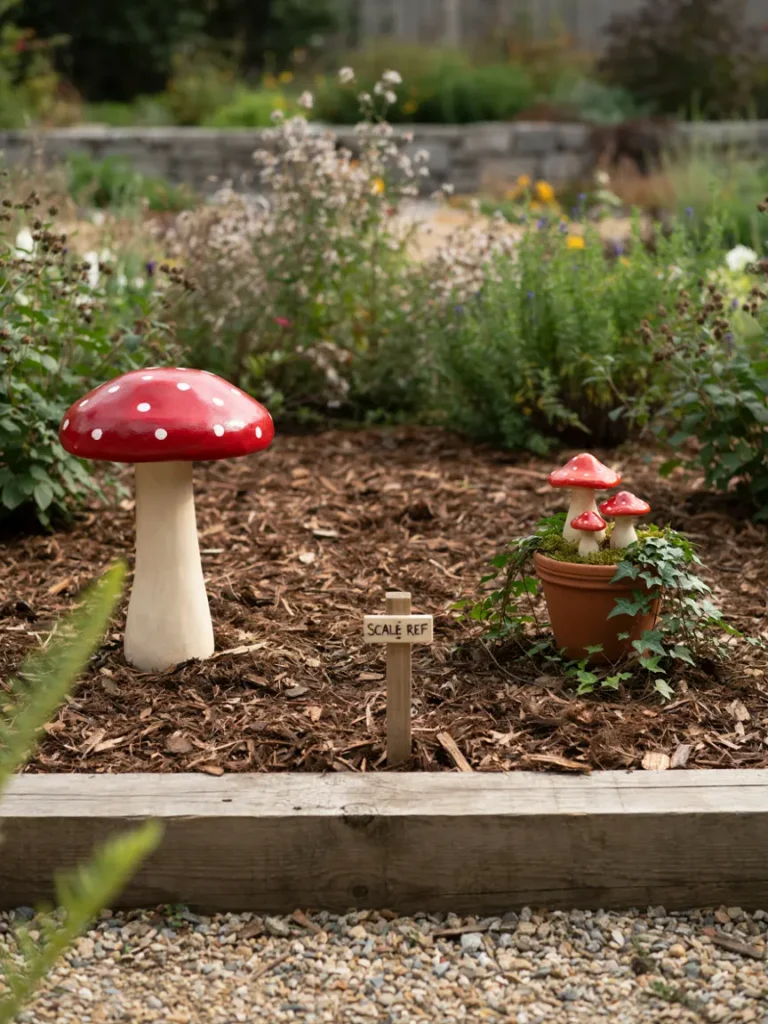
Larger garden beds and open lawns can accommodate large mushroom garden decor without it looking out of place, while smaller beds or container gardens usually look better with clusters of small to medium pieces.
Consider Your Local Climate
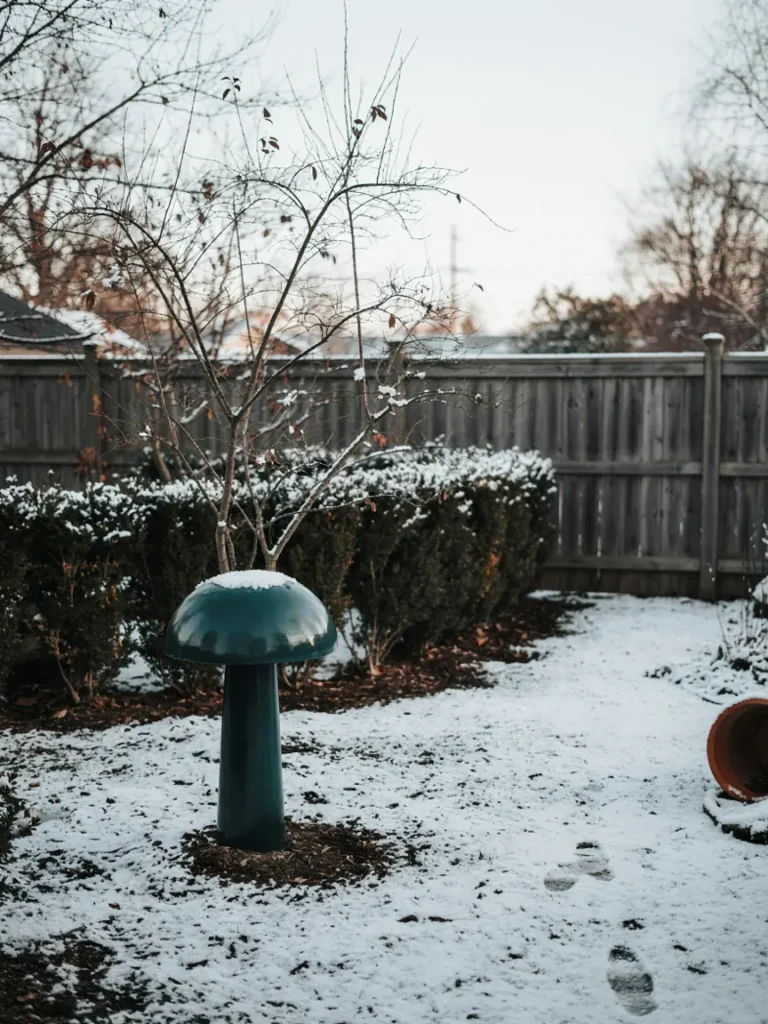
Homeowners in regions with harsh winters or intense summer sun should prioritize materials known for weather resistance, such as powder coated metal or sealed cast stone. Ceramic and untreated wood pieces may need to be brought indoors or covered during extreme weather.
Think About Existing Plant Shade Levels
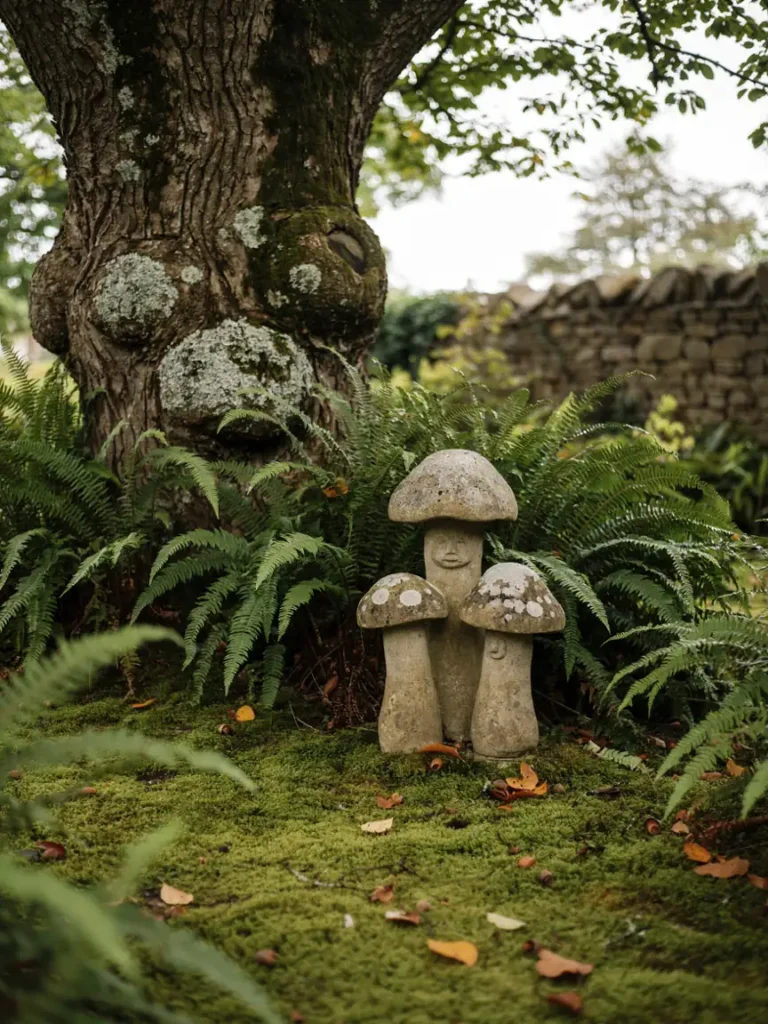
Mushroom decor pairs naturally with shaded and partially shaded areas where real mushrooms are more likely to grow, such as under trees or along the north side of a house. Placing mushroom decor in these spots reinforces a believable, natural aesthetic.
Set a Budget Before You Shop
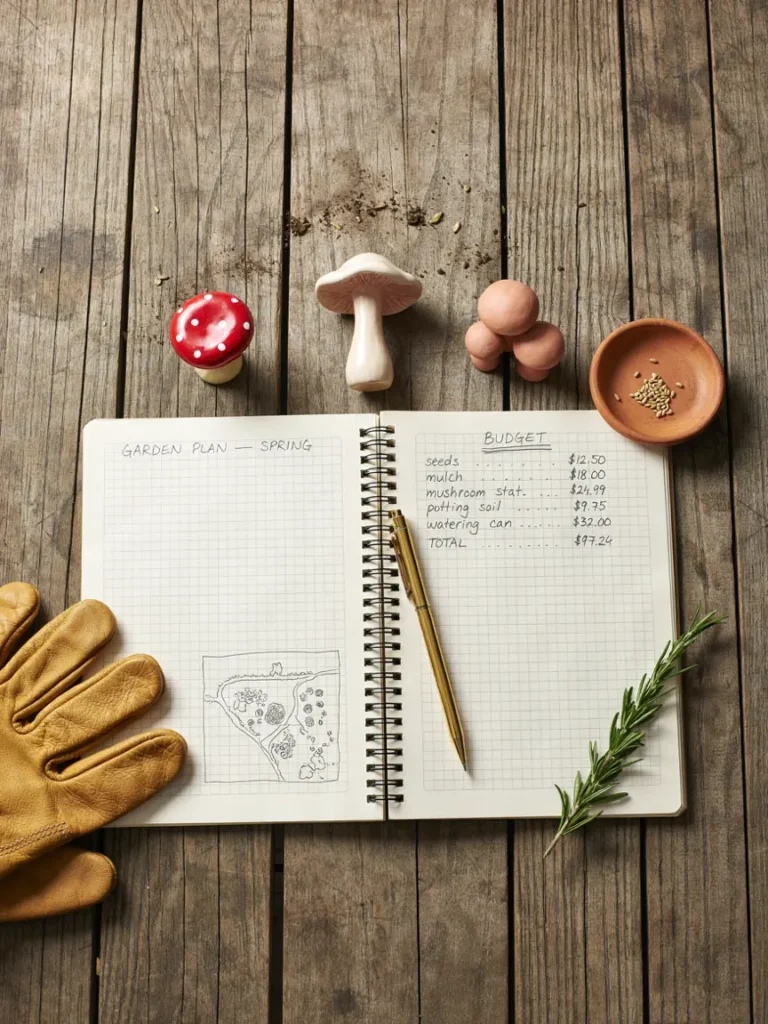
Prices for mushroom garden decor range from a few dollars for a small resin piece to well over one hundred dollars for a large, hand finished cast stone or metal statue. Deciding on a total budget upfront helps prevent overspending on impulse purchases and ensures funds are available for one strong statement piece if that is the goal.
Let Personal Style Guide the Final Decision
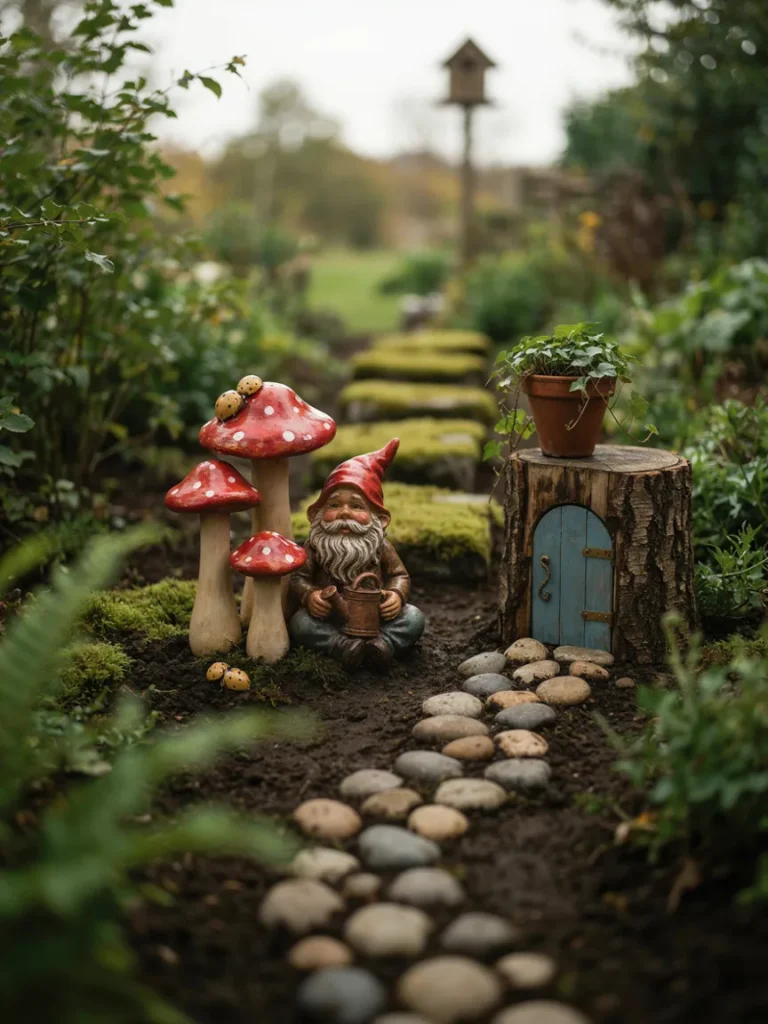
The most successful mushroom garden decor choices reflect the personality of the space and the people who spend time in it, whether that means a whimsical fairy tale theme for a children’s garden or an understated, natural palette for a quiet woodland retreat.
Placement and Styling Tips for Mushroom Garden Decor
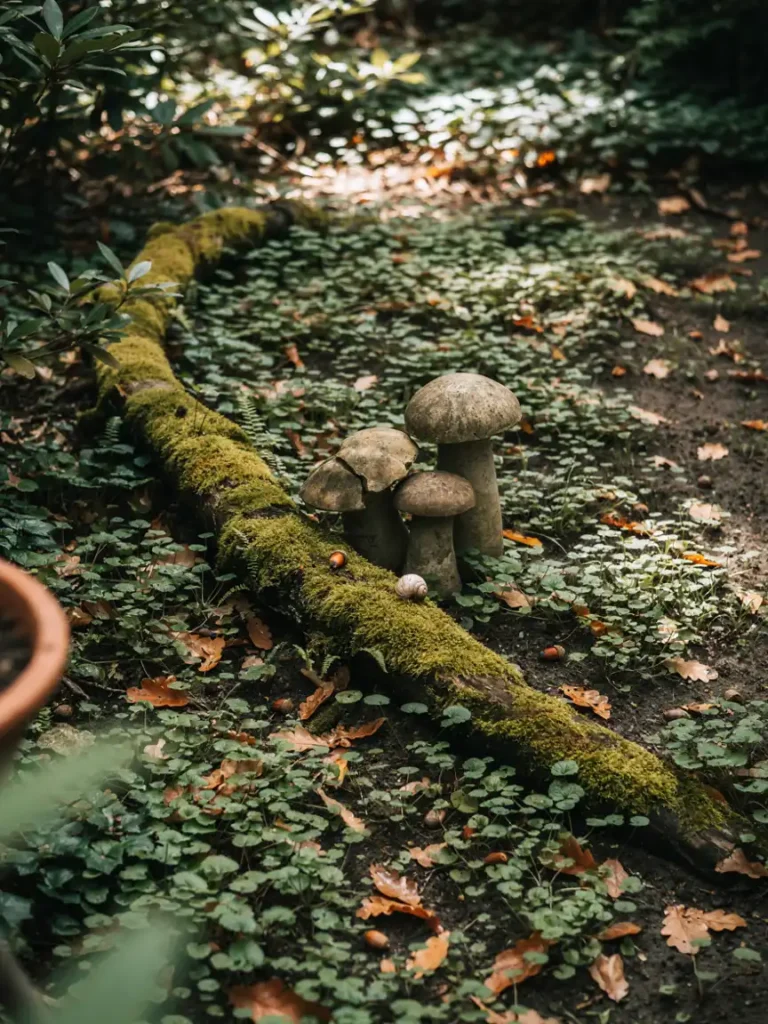
Thoughtful placement is what separates a garden that looks curated from one that looks cluttered. These tips apply whether you are working with a single piece of large mushroom garden decor or a full collection of smaller accents.
- Group in odd numbers. Clusters of three or five mushrooms tend to look more natural than pairs or evenly spaced rows, echoing how mushrooms grow in the wild.
- Vary the height within a grouping. Combining a tall mushroom with two or three shorter ones creates a more organic, layered look than uniform sizing.
- Anchor larger beds with one standout piece. A single item of large mushroom garden decor can serve as a natural focal point, with smaller mushrooms and plants arranged around it rather than competing pieces of similar size.
- Use shaded, natural feeling spots. Placing mushroom decor near tree bases, along mulched paths, or beside moss covered stones reinforces the illusion of a natural mushroom patch.
- Leave visual breathing room. Avoid overcrowding a bed with too many mushroom pieces at once. Empty space between statues allows each one to be appreciated individually.
- Coordinate with a broader theme. If your garden already includes other whimsical elements like gnomes or fairy doors, choose mushroom decor with a similar color palette or finish to tie the space together.
Maintenance and Care for Mushroom Garden Decor

A little regular care goes a long way toward keeping mushroom garden decor looking vibrant and structurally sound for years.
- Clean pieces regularly. Rinse dirt, pollen, and algae buildup with a garden hose, and use a soft brush with mild soap for more stubborn grime. Avoid high pressure washers on delicate painted or glazed finishes.
- Reapply sealant as needed. Wood and unglazed ceramic mushroom decor benefit from a fresh coat of outdoor sealant every one to two years to guard against moisture damage.
- Inspect for cracks each season. Check cast stone and concrete pieces for small cracks after winter, since even minor damage can worsen with repeated freeze and thaw cycles.
- Bring fragile pieces indoors for winter. In colder climates, move ceramic and lightweight resin mushrooms to a garage, shed, or covered porch during the harshest months.
- Reposition occasionally. Moving mushroom statues periodically protects the soil and grass beneath them and gives you a chance to refresh the overall layout of a bed without buying new pieces.
Frequently Asked Questions
What is the most durable material for mushroom garden decor?
Powder coated metal and sealed cast stone are generally the most durable options for year round outdoor use, holding up well against sun, rain, and temperature changes with minimal upkeep required.
How big should large mushroom garden decor be to work as a focal point?
Most large mushroom garden decor pieces used as standalone focal points range from two to four feet tall, though the ideal size depends on the scale of the surrounding garden bed and how much open space is available around it.
Can mushroom garden decor be left outside all year?
Many materials, including powder coated metal and sealed cast stone, can generally stay outside year round. Ceramic, untreated wood, and lower cost resin pieces often benefit from being moved indoors or covered during extreme winter weather to prevent cracking or fading.
How many mushroom statues is too many for one garden?
There is no strict limit, but a helpful guideline is to keep plants as the primary visual focus and use mushroom decor as an accent. If the statues begin to overshadow the surrounding plantings, it is usually a sign to scale back the collection.
Where does mushroom garden decor look best?
Shaded or partially shaded spots near tree bases, along mulched paths, or beside moss covered stones tend to look the most natural, since these are the conditions where real mushrooms typically grow.
Conclusion
Mushroom garden decor offers a simple, affordable way to add charm, texture, and a touch of storybook magic to nearly any outdoor space. Whether you are drawn to a scattering of small earth toned mushrooms tucked beneath a tree or a single striking piece of large mushroom garden decor anchoring your front garden bed, the key is choosing pieces that suit your climate, match the scale of your space, and reflect your personal style. Garden Decor can bring even more character to your outdoor space while complementing your overall garden design.
If you are just getting started, resist the urge to buy everything at once. Choose one grouping or one statement piece, live with it for a season, and build your collection gradually from there based on what actually works in your space.
Ready to find the perfect mushroom garden decor for your yard? Browse our full collection, from delicate miniature toadstools to bold large mushroom garden decor pieces, and start building a garden with a little extra whimsy.