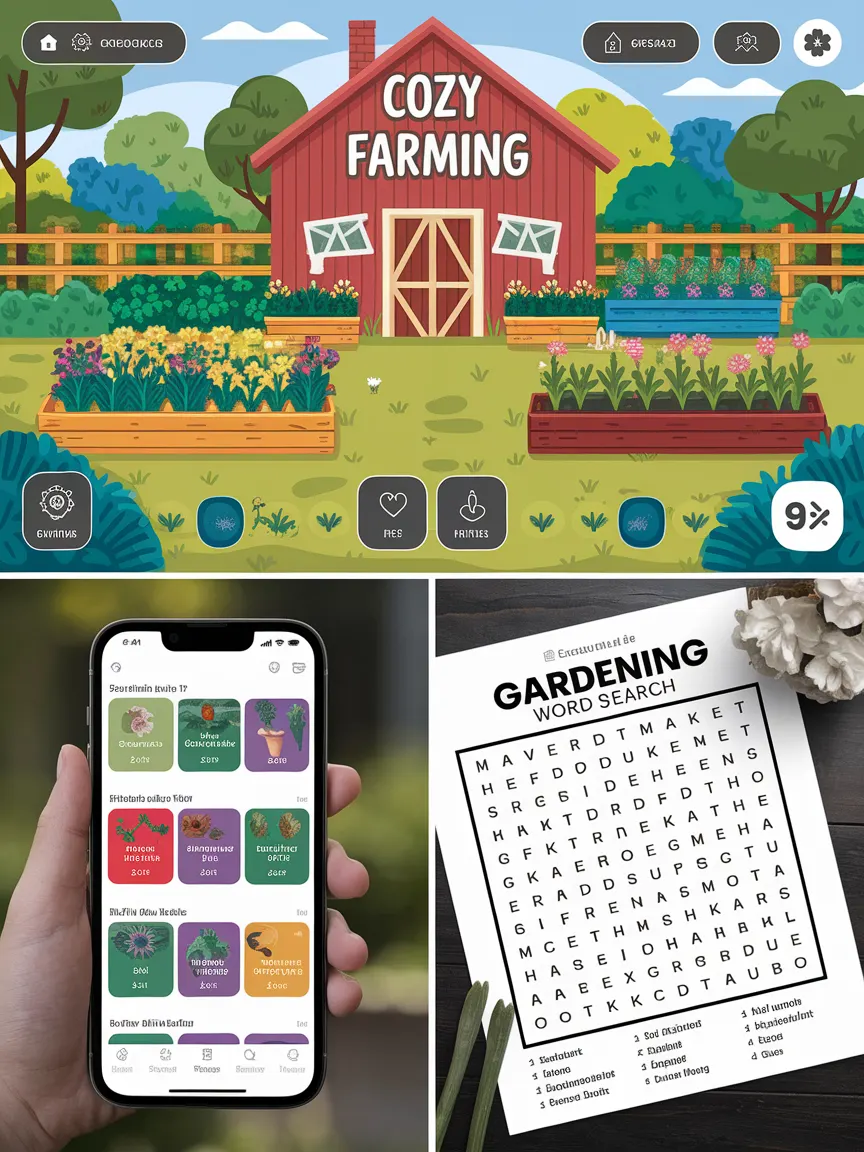
Not everyone who loves gardens actually loves gardening. Some days you want the calm, satisfying feeling of watching something grow without the sunburn, the weeding, or the risk of killing a plant you actually paid for. That is exactly why the gardening game category has grown so much, covering everything from cozy video games where you tend a virtual farm, to mobile app events built around planting and trading, to simple printable puzzles you can hand a kid at the kitchen table.
This guide walks through the most popular types of gardening games out there right now, how they work, and how to pick the right one depending on whether you want something to play on a console, on your phone, or on paper.
Whether you are searching for a relaxing digital escape, a fun addition to a gardening themed birthday party, or a way to teach a child about plants without handing them a shovel, there is a gardening game format that fits. This guide breaks down the major categories so you can find the one that actually matches what you are looking for.
There is also something a little funny about how gardening games caught on in the first place. A lot of us grew up being told gardening was a chore, something you did on a Saturday morning because a parent asked, not something anyone would choose to do for fun on a phone during a lunch break.
Then cozy games showed up, stripped out the sunburn and the sore knees, kept the satisfying part where something you planted actually grows, and suddenly a whole generation of people who never touched a trowel started calling themselves gardeners, at least in a digital sense.
That shift is worth keeping in mind as you read through this guide, because it explains why the category has splintered into so many different formats instead of staying as one single type of game.
By the end of this guide, you will know what separates a full gardening video game from a themed mobile event, how a system like the one in Final Fantasy XIV actually works, where printable puzzles fit into classrooms and parties, and how to pull gardening games into a birthday celebration without leaning entirely on pastel flowers.
What Counts as a Gardening Game
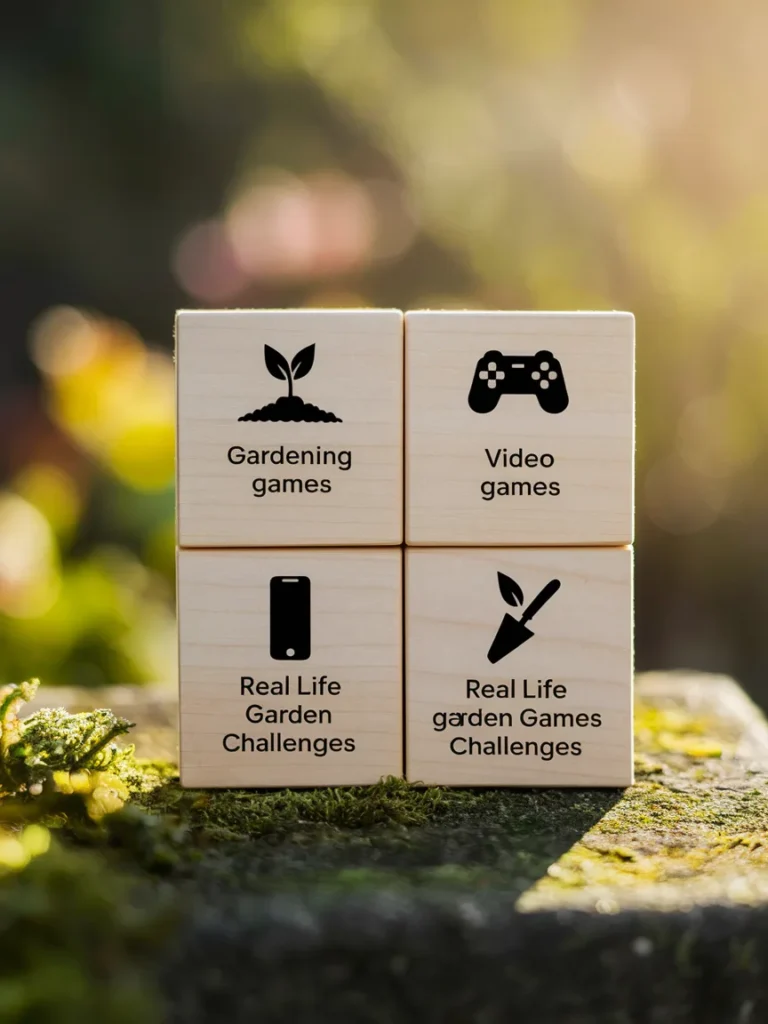
A gardening game is any game, digital or physical, built around the core loop of planting, growing, tending, and harvesting something. Some lean heavily into simulation, trying to mimic real plant care with accuracy. Others use gardening as a loose theme layered onto a completely different kind of gameplay, like a matching puzzle or a trivia round.
For players interested in the materials used around real gardens, a gardening rock materials guide can also provide useful context on how different rocks and stones are selected for garden spaces.
Broadly, gardening games can be divided into several categories. Some are full video games centered almost entirely on planting, growing, and harvesting, such as farming simulators. Others are mobile games where gardening appears as one activity, event, or feature within a much larger gaming experience.
There are printable and tabletop games, like word searches or bingo cards, that bring a gardening theme into a classroom or a party. And there are real life gardening games, sometimes used by teachers or camp counselors, that turn actual outdoor gardening tasks into a friendly competition or challenge.
Understanding which category you are actually looking for makes a big difference, since searching for a gardening game with the wrong category in mind can lead to some frustrating mismatched results, especially if you are hoping for a screen based experience and land on a printable worksheet instead.
Why Gardening Games Have Become So Popular

Cozy and simulation style games have exploded in popularity over the last several years, and gardening fits that mood perfectly. There is no time pressure, no combat, and a clear, satisfying feedback loop where effort now pays off later in the form of a bigger harvest or a prettier garden layout.
That slow, low stakes rhythm appeals to people looking for a break from faster, more stressful game genres, which is a big part of why gardening mechanics keep showing up across so many different platforms and app styles.
Real Life Gardening Games in Classrooms and Camps
Not every gardening game lives on a screen or a printed page. Teachers, camp counselors, and garden club leaders often turn actual outdoor gardening tasks into a lighthearted competition, since a bit of friendly structure tends to keep kids and even adults more engaged than an open ended task.
A simple scavenger hunt where participants search a garden bed for specific plants, insects, or tools, checking items off a list as they go, turns routine garden maintenance into something closer to a game. Timed weeding challenges, where small teams compete to clear a designated section of bed the fastest without damaging nearby plants, work well for slightly older kids and teens who enjoy a bit of friendly competition.
Video Games Built Around Gardening

Full video games with gardening as a central mechanic tend to fall into the farming simulation or life simulation genre. These games usually give you a plot of land, a set of seeds, and a system for watering, fertilizing, and eventually harvesting crops, often tied to an in game economy where you sell what you grow to buy upgrades or new tools.
Popular examples in this space let players design their own farm layout, raise animals alongside crops, and build relationships with in game characters, blending gardening with light role playing elements. These games tend to have long play sessions, since a full growing season inside the game can take real world hours or even days to complete depending on how the game handles time.
Life simulation games with strong social and decorating elements also often include gardening as one part of a much bigger system, letting players plant flowers and trees to decorate their in game island or town rather than focusing on it as a survival or economic mechanic.
What Makes a Gardening Video Game Feel Satisfying
The best gardening games share a few common design traits that keep players coming back. Clear, visible progress matters a lot, whether that means watching a crop visibly change stages as it grows or seeing a garden layout slowly transform from bare dirt into a full, colorful plot.
A gentle sense of routine also helps, since checking in daily to water plants or collect a harvest creates a habit loop similar to caring for a real garden, just compressed into a much shorter timeframe. Finally, low failure stakes keep the experience relaxing rather than stressful, since most gardening games let a neglected plant simply wilt or underperform rather than punishing the player harshly for missing a day.
FFXIV Gardening Guide Basics for New Players
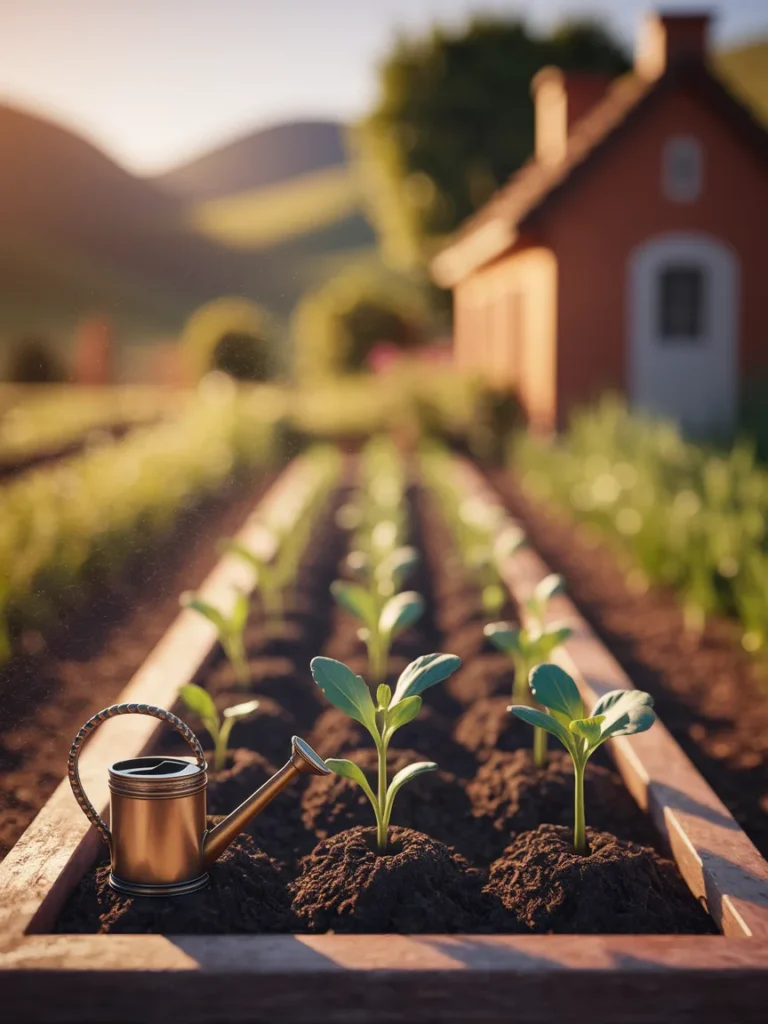
Final Fantasy XIV, a massive multiplayer online game, includes a surprisingly deep gardening system tied to its crafting and gathering classes. Players can plant seeds in garden plots located in their personal or free company housing, and those plants grow over real world time, requiring regular watering and care to avoid wilting.
For anyone searching for an FFXIV gardening guide, the basics start with owning or having access to housing, since garden plots are tied to houses, apartments, or free company estates rather than being available everywhere in the game world. Seeds are gathered or purchased, then planted in soil within a garden plot, and players need to return periodically to water them using a watering can, since neglected plants will wilt and eventually fail to produce a harvest.
Cross breeding is one of the more advanced parts of FFXIV gardening, where planting two different but compatible seeds near each other can produce a hybrid seed with different properties. This turns the gardening system into a long term project for dedicated players, since discovering new hybrid combinations takes research and patience, similar to real world plant breeding on a much smaller and faster timescale.
Tips for Managing an FFXIV Garden Efficiently
Since garden plots require regular watering to avoid wilting, many players build a simple daily routine around checking their plots at a consistent time rather than trying to remember sporadically. Grouping plants with similar growth timers together in the same plot also makes watering and harvesting more efficient, since you are not constantly tracking a dozen different individual timelines.
For players interested in cross breeding, keeping notes on which seed combinations have already been tried, either through a personal log or a community resource, saves significant time compared to experimenting from scratch each time.
Mobile and Casual Gardening Games

Mobile games have made gardening mechanics available in short, bite sized sessions that fit into a few spare minutes rather than requiring a long sit down session. These games often use gardening as either the full focus of the app or as a recurring themed event inside a larger game.
Dedicated mobile gardening games typically follow a similar structure to their console counterparts but scaled down, with simplified planting and harvesting loops, timers that let you check back periodically rather than needing constant attention, and social features that let you visit or help other players’ gardens.
Gardening themed events inside bigger mobile games have also become common, giving existing players a temporary new activity tied to the gardening theme without requiring them to download a separate app.
Monopoly GO Gardening Partners and Similar Mobile Events
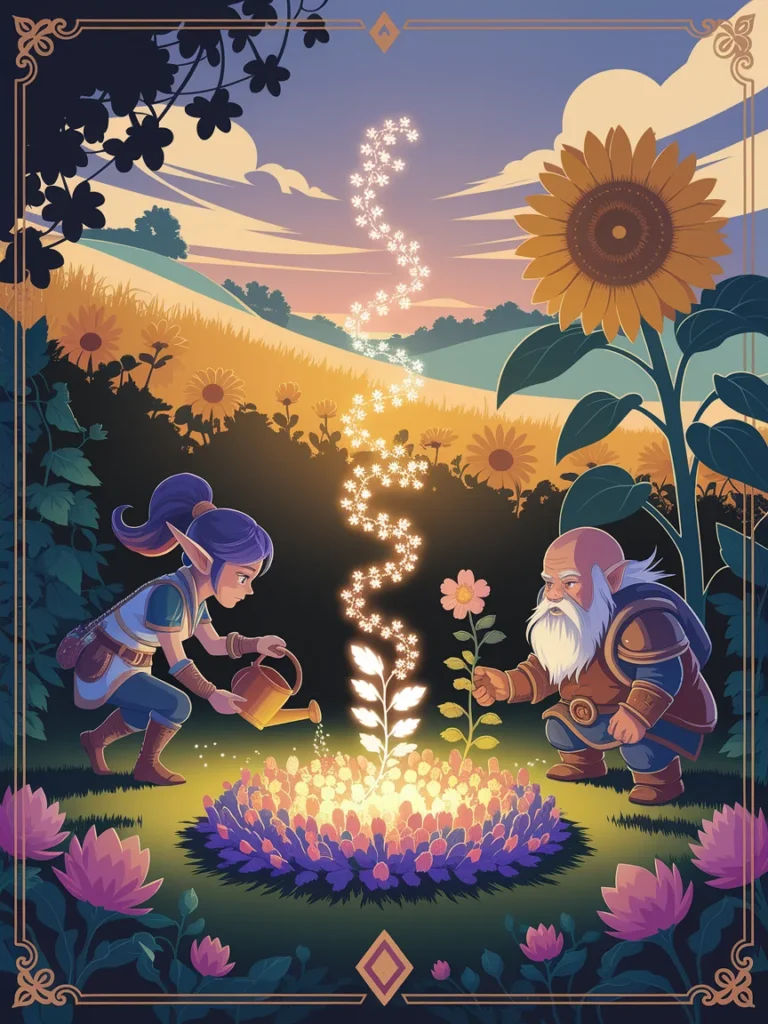
Monopoly GO, a popular mobile adaptation of the classic board game, regularly runs limited time events built around different themes, and gardening partner events are one recurring format. In these events, players typically pair up with another player and work together toward a shared goal, often planting or growing items within the game to earn rewards for both participants.
These partner style events tend to reward consistent daily activity over a short window, usually a few days, rather than one long session, since progress is often capped or reset on a schedule. Checking in regularly during an active gardening partners event tends to produce better results than trying to catch up all at once near the deadline, since many of these events limit how much progress you can make in a single day.
Because these events rotate in and out of the game, the specific mechanics can shift from one gardening themed event to the next, so it is worth checking the in game event details each time a new one appears rather than assuming it works identically to a previous version.
Getting the Most Out of Partner Based Events
Coordinating briefly with your event partner, even just a quick message confirming you are both actively playing, tends to produce better results than assuming the other person is participating at the same pace.
Since many partner events cap daily progress, spreading your activity across the full event window rather than saving everything for the final day avoids running into that daily limit and losing potential progress. Keeping an eye on in app notifications during an active event also helps you catch bonus opportunities or limited time boosts that often appear partway through these events.
Gardening Games You Can Play Without a Screen
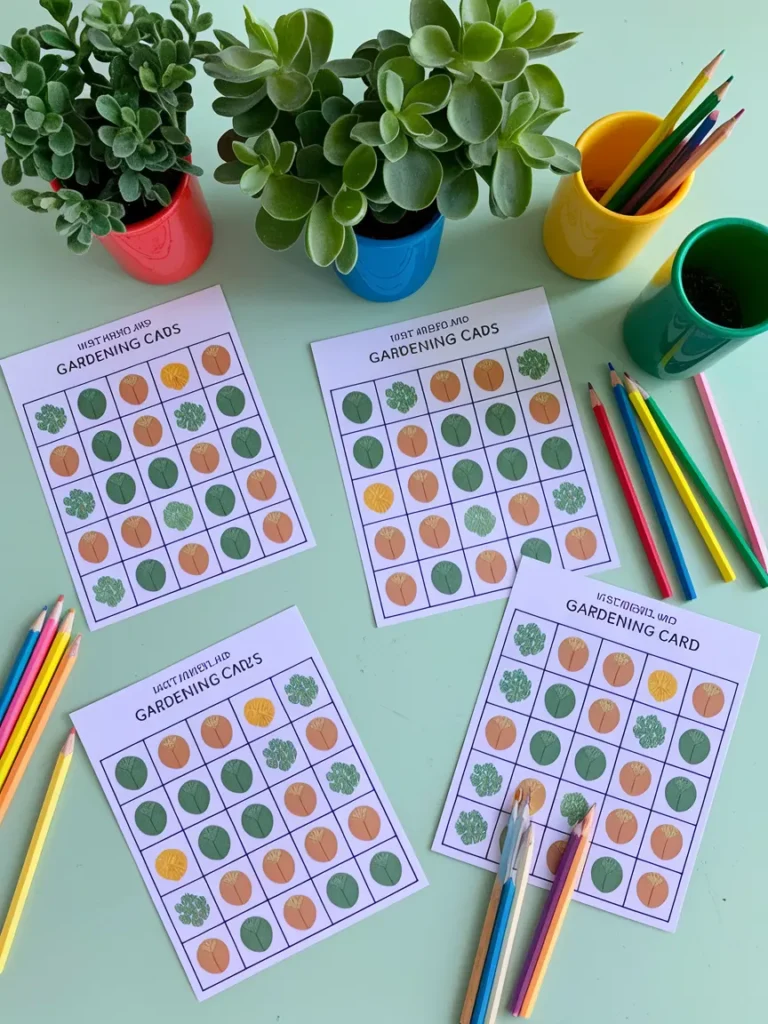
Not every gardening game needs a device. Printable and physical gardening games are especially popular in classrooms, at garden clubs, and for family activities where screen time is not the goal.
Gardening bingo cards, filled with plant names, garden tools, or common backyard sightings like a specific type of bird or insect, work well for scavenger hunt style activities during an actual walk through a garden or park. Matching games, where players pair plant names with pictures or match seeds to their mature plant form, help younger kids build plant recognition skills in a low pressure way.
Trivia based gardening games, whether homemade or purchased as a card set, work well for garden club meetings or as an icebreaker activity, testing knowledge of plant care, growing seasons, and basic botany in a friendly competitive format.
Word Search Gardening Puzzles for Kids and Classrooms

Word search gardening puzzles are one of the simplest and most flexible gardening game formats available, and they show up frequently in classroom worksheets, kids’ activity books, and printable party favors. A typical gardening word search includes terms like soil, seed, sprout, harvest, and the names of common vegetables or flowers, hidden within a grid of letters for players to find.
These puzzles work well as a quiet activity for younger children learning basic gardening vocabulary, and teachers often pair them with an actual hands on planting lesson so the vocabulary from the puzzle connects to something the kids are doing in real life. Because they require no special equipment beyond paper and a pencil, word search gardening puzzles are also an easy addition to a birthday party goodie bag or a rainy day activity list.
Building Your Own Word Search Gardening Puzzle
For anyone wanting a custom version tailored to a specific lesson or party theme, building a word search gardening puzzle is a simple project. Start with a list of ten to fifteen relevant words, keeping vocabulary age appropriate, using simpler words like seed and sun for younger kids and more specific terms like photosynthesis or perennial for older students. Free online puzzle generators can arrange the words into a grid automatically, or the grid can be built by hand using graph paper for a more personal, homemade touch that works especially well for a party favor.
Bringing Gardening Games Into Celebrations
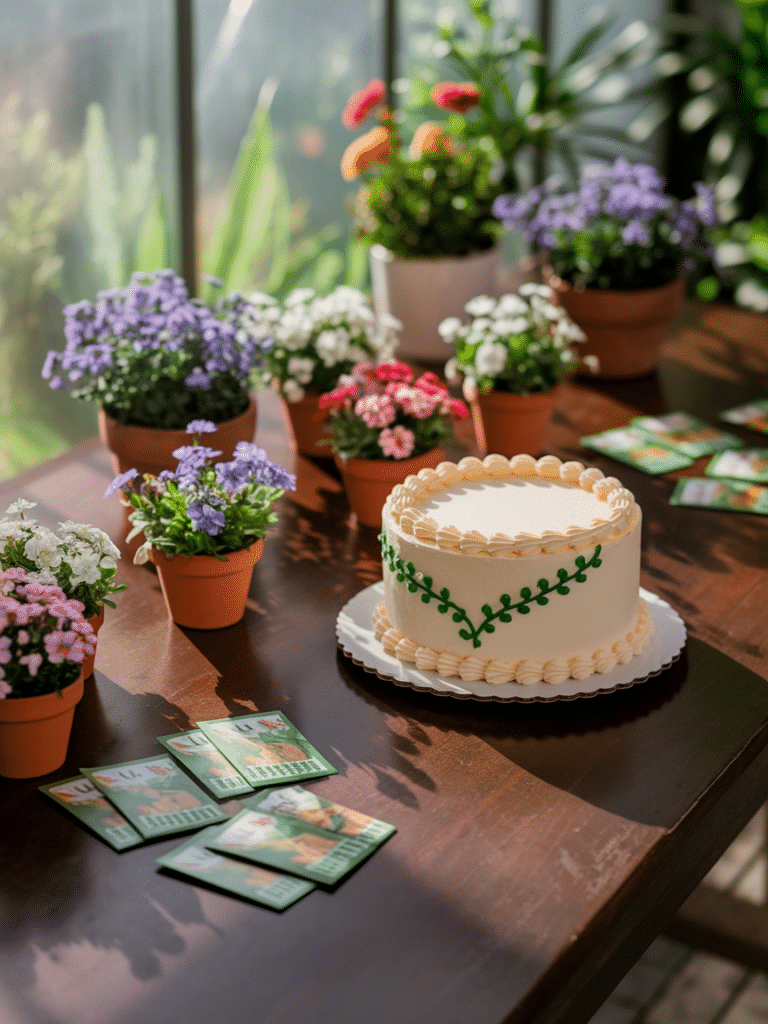
Gardening themes have become a popular choice for birthday parties and other celebrations, especially for kids who love being outside or for adults who are passionate hobby gardeners. Building a few simple gardening games into the celebration keeps guests engaged while reinforcing the overall theme.
Potting activities, where guests decorate a small pot and plant a seed or seedling to take home, double as both a party activity and a party favor. Simple relay races involving carrying watering cans or planting supplies add a physical, active element for kids’ parties.
Flower arranging contests, where guests build a small arrangement from a shared pile of flowers, work well for adult gatherings or garden club events looking for a lighter competitive activity.
Male Gardening Birthday Cake Ideas That Actually Look Great
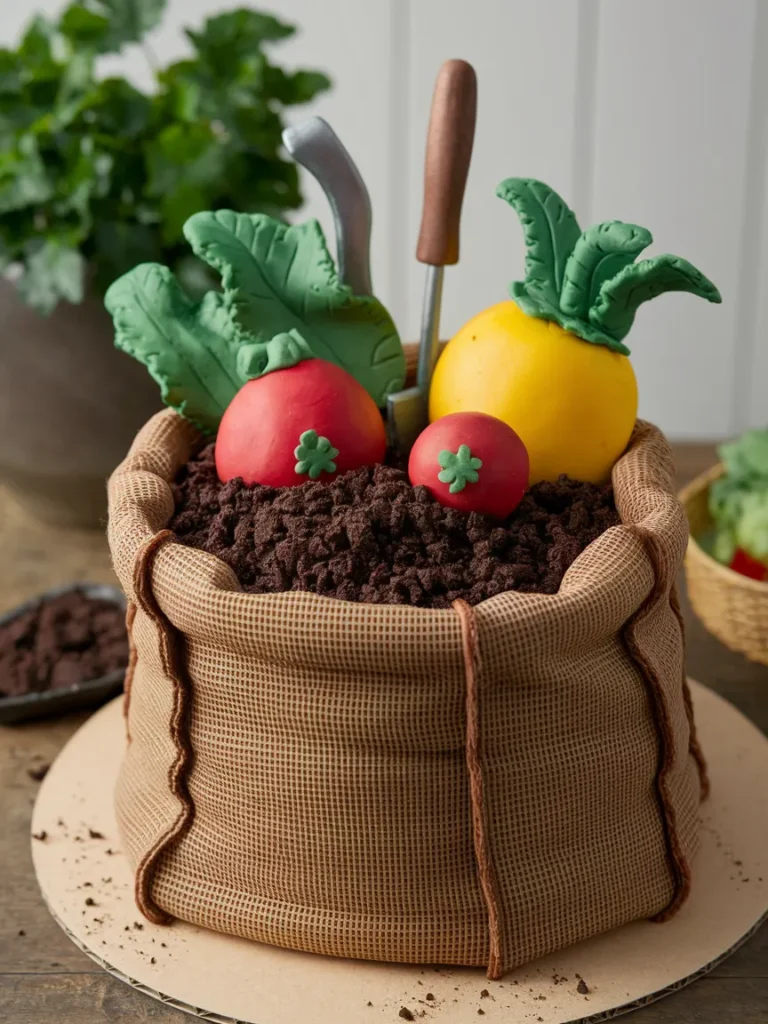
Finding cake inspiration for a gardening themed birthday can sometimes feel tricky if most of the search results lean heavily floral and pastel, which does not always match the vibe someone wants for a birthday cake aimed at a man who gardens. Fortunately, there are plenty of ways to keep a gardening cake theme while leaning into a more rugged, masculine look.
A cake styled to look like a bag of soil or a raised garden bed, using chocolate crumble as the dirt texture, reads as gardening themed without relying on pastel flowers. Edible vegetable toppers, like fondant carrots, tomatoes, or peppers, work well on a darker toned cake base, such as chocolate or espresso flavored frosting, for a look that feels more like a working garden than a flower shop.
Tool themed decorations, such as fondant shovels, rakes, or a miniature wheelbarrow placed on top of the cake, also shift the visual tone away from delicate florals. Pairing the cake with a color palette of deep greens, browns, and burnt orange rather than pastel pink and lavender tends to read as more fitting for a masculine gardening birthday theme while still clearly connecting to the gardening idea.
Party Game Pairings That Match a Gardening Cake Theme
Once the cake sets the visual tone, matching the surrounding games and activities keeps the whole party feeling cohesive rather than mismatched. A soil and tool themed cake pairs naturally with activities like a potting station, a watering can relay, or even a simple raised bed themed guessing game, such as estimating how many seeds fill a jar.
Steering party favors toward practical items, like small hand trowels or seed packets in rugged kraft paper packaging, extends that same aesthetic beyond just the cake table.
Why Gardening Games Can Actually Teach Real Gardening Skills
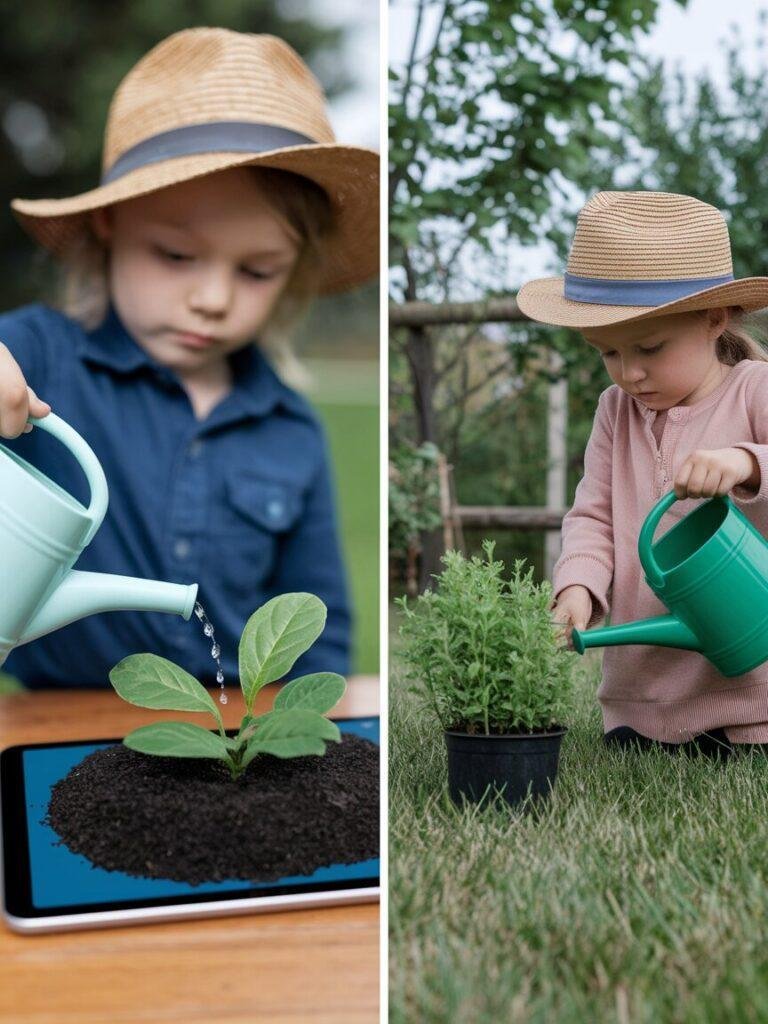
Beyond entertainment, gardening games, especially the more simulation focused digital ones, can genuinely reinforce real gardening concepts. Watching a virtual plant require regular watering or fail without enough sunlight teaches the basic cause and effect relationship that also applies outdoors, even if the in game timescale is compressed compared to real life.
Games that include seasonal planting restrictions, where certain crops can only be planted during specific in game seasons, mirror the real world concept of planting calendars and can help build an intuitive sense of timing before someone ever plants a real seed. Similarly, games involving cross breeding or plant genetics, like the hybrid system in some farming simulators, introduce basic concepts about plant breeding in a simplified, approachable way.
For kids specifically, gardening games often serve as a low stakes entry point before moving to actual hands on gardening, building interest and basic vocabulary that makes the transition to a real garden bed feel less intimidating.
Turning Game Interest Into a Real Garden Project
For parents or teachers hoping to bridge the gap between a child’s interest in a gardening game and actual hands on gardening, a small, simple project tends to work better than jumping straight into a large outdoor bed.
A single pot on a windowsill, growing something fast and forgiving like a bean plant or a cherry tomato, gives a similar sense of visible daily progress to what kids already enjoy in a gardening game, just in physical form. Letting the child take the lead on watering and checking progress, the same way they would manage a virtual plant, helps that sense of ownership carry over from the screen to the real pot.
Frequently Asked Questions
What is the most popular gardening video game?
Farming and life simulation games with strong gardening mechanics, where players plant, tend, and harvest crops on their own virtual land, remain some of the most widely played gardening focused video games, often combined with social or decorating features that extend their appeal beyond pure farming.
Does Final Fantasy XIV really have a gardening system?
Yes. Final Fantasy XIV includes a gardening system tied to player housing, where seeds are planted in garden plots, watered regularly, and can even be cross bred to create new hybrid seeds, making it a genuinely deep system rather than a minor side feature.
How do gardening partner events work in mobile games like Monopoly GO?
Gardening partner events typically pair two players together to work toward a shared in game goal over a limited time window, often just a few days, with daily activity generally producing better results than trying to catch up all at once near the event deadline.
Are word search gardening puzzles good for teaching kids about plants?
Yes. Word search gardening puzzles introduce basic plant and gardening vocabulary in a low pressure format, and they work especially well when paired with an actual hands on planting activity so the vocabulary connects to something kids are doing in real life.
How can I make a gardening themed birthday cake feel less floral and more masculine?
Lean into a soil and raised bed look using chocolate crumble texture, add fondant vegetables or tool toppers like a shovel or wheelbarrow, and choose a color palette of deep greens, browns, and burnt orange instead of pastel tones.
Conclusion
Gardening games cover a lot more ground than most people expect, from deep video game systems like the one found in Final Fantasy XIV, to quick mobile events like Monopoly GO’s gardening partner challenges, to simple printable word searches perfect for a classroom or a party favor.
Whichever format fits your situation, the appeal comes down to the same thing that makes real gardening satisfying. You put in a bit of care, and you get to watch something grow.
If you are planning a gardening themed celebration, start with one or two games from this guide, whether that is a potting activity for kids or a soil textured birthday cake for the gardener in your life, and build outward from there. A small, well chosen gardening activity often makes a bigger impression than trying to cram in every idea at once.