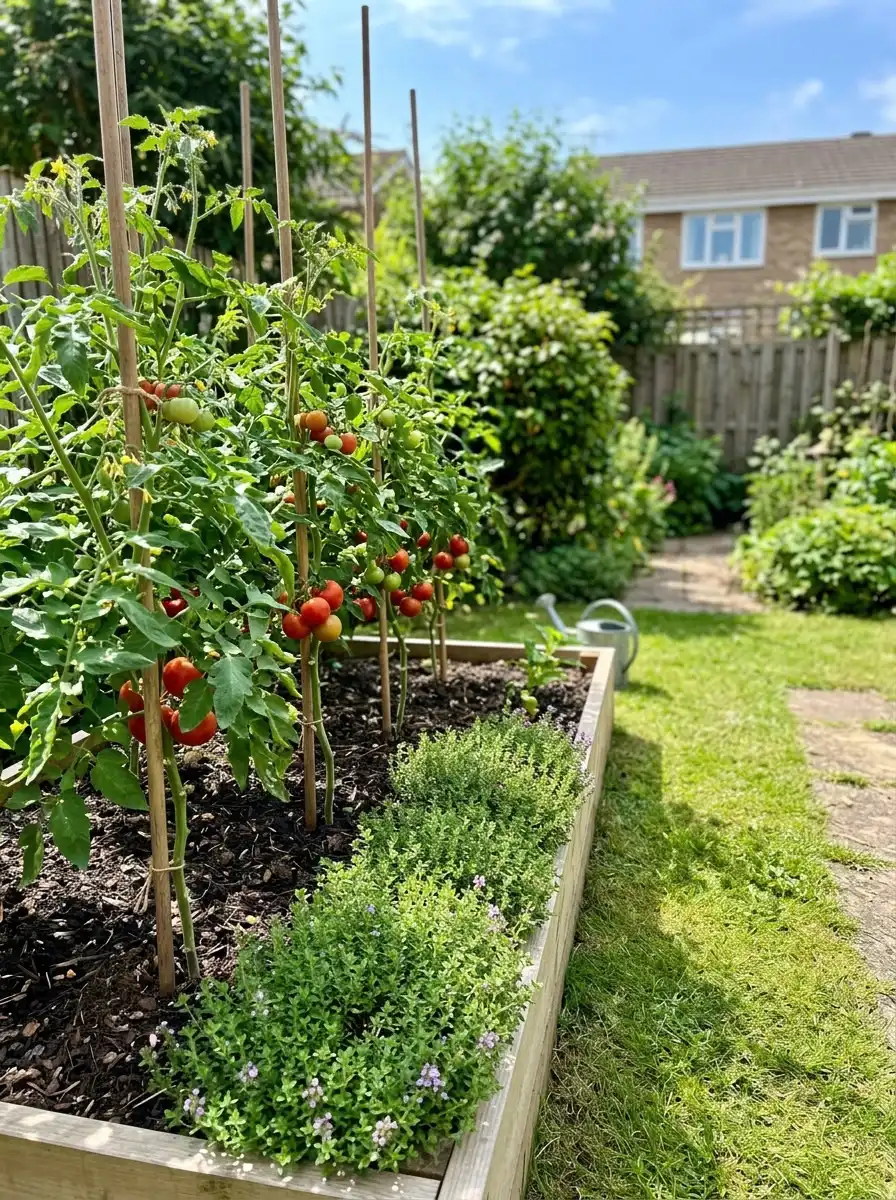
Gardening thyme is one of the easiest ways to start a food garden, and it may be the most useful herb you can plant. It’s tough, it smells great, and it needs very little care once it settles in. It also fits almost anywhere, from a pot on a balcony to the edge of a big vegetable bed.
Maybe you’re starting your first backyard vegetable gardening project. Maybe you’re a seasoned grower who wants a herb that works harder. Either way, thyme deserves a spot. It attracts bees, adds flavor to nearly every savory dish, and looks lovely spilling over a stone edge.
In this guide, you’ll learn how to grow thyme step by step. You’ll also see how it pairs with tomato gardening and the wider world of vegetable gardening. We’ll cover the main types of vegetable gardening, easy design ideas, tips for growing on a slope, and a month by month calendar for Central Florida. By the end, you’ll have a clear plan you can start this week.
What Is Gardening Thyme and Why Should You Try It?
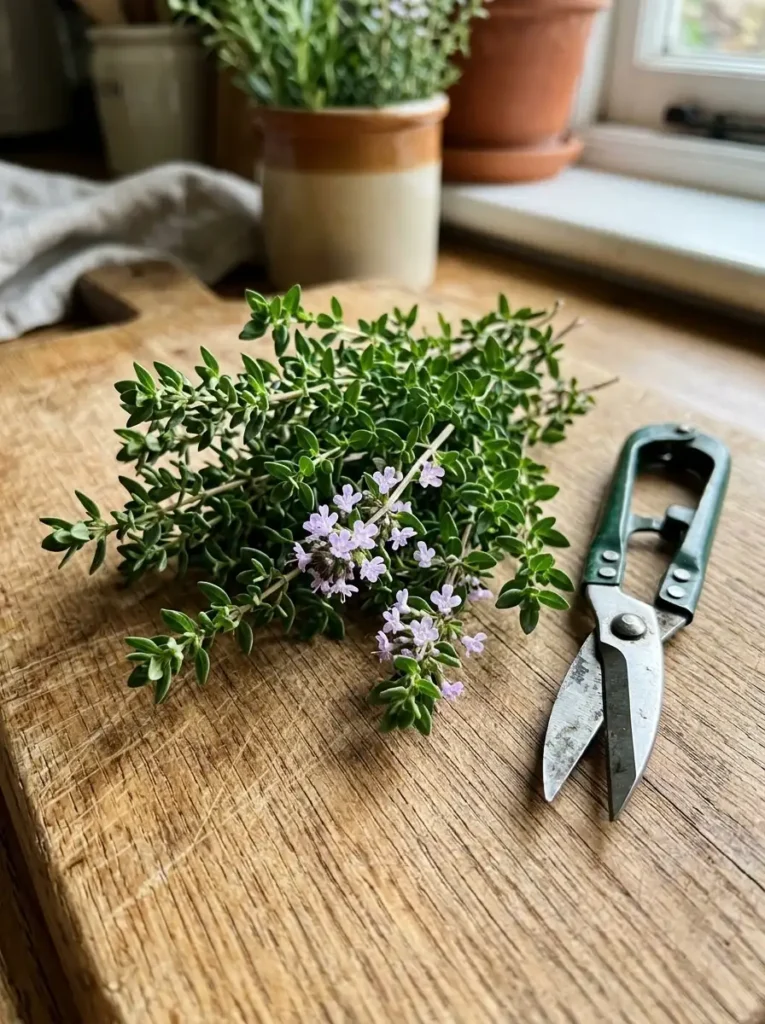
Gardening thyme means growing the thyme herb in your yard, in containers, or among your vegetables for cooking, pollinators, and ground cover. Thyme is a low, woody perennial in the mint family. It has tiny leaves, thin stems, and small flowers that bees love. In mild climates, it stays green nearly all year. For beginners, a gardening game guide can also make learning about growing and caring for thyme more fun and interactive.
People grow thyme for several good reasons. It’s a natural fit for beginners because it forgives mistakes. It handles dry spells better than most herbs, and it doesn’t need rich soil. You can snip it fresh for soups, roasted vegetables, chicken, eggs, and sauces.
Why Thyme Fits So Well in a Vegetable Garden
Thyme isn’t just for the kitchen window. Many gardeners tuck it into vegetable beds for a few practical reasons.
- It draws pollinators. The small blooms attract bees and other helpful insects, which can improve fruit set on tomatoes, squash, and beans.
- Its scent may confuse pests. Many gardeners say the strong smell helps keep some insects away from nearby plants. Results vary, but there’s no downside to trying.
- It covers bare soil. Low growing types fill the gaps between plants and can slow weeds.
- It takes little space. One plant needs about a square foot.
- It’s easy to harvest. A quick snip on your way to the kitchen is all you need.
Popular Thyme Varieties to Know
Not all thyme is the same, so choose the type that fits your goal.
- English thyme: A classic cooking thyme with a rich, earthy flavor. It grows about a foot tall.
- French thyme: A bit finer and sweeter, and it’s a favorite in French cooking.
- Lemon thyme: Adds a bright citrus note to fish, chicken, and tea.
- Creeping thyme: Very low and spreading. It’s ideal for paths, borders, and slopes, though it has a milder flavor.
- Woolly thyme: Soft, fuzzy, silvery leaves that look lovely between stepping stones.
If you’re growing thyme mainly for cooking, pick English, French, or lemon thyme. If you want ground cover, go with creeping or woolly.
How to Grow Thyme Step by Step
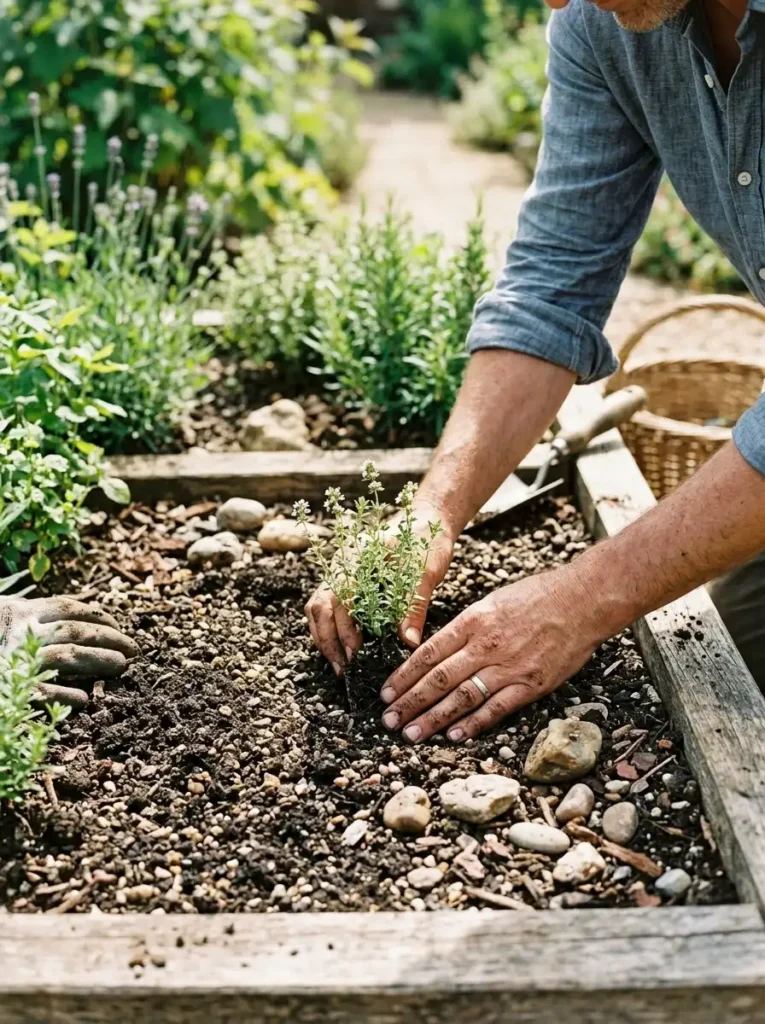
Growing thyme is simple once you understand its basic needs. Think of it as a plant from dry, rocky hillsides in the Mediterranean. Give it sun, sharp drainage, and a light touch, and it will thrive.
Give Thyme Full Sun
Thyme needs six to eight hours of direct sun each day. Less light gives you leggy, weak plants with thin flavor. If your yard has a few spots that get partial shade, save the sunniest one for thyme.
Choose Well Drained Soil
This is the most important rule in gardening thyme. Thyme hates wet feet. Soggy soil causes root rot, which is the number one reason thyme dies. Pick a spot where water doesn’t pool after rain.
If your soil is heavy clay, mix in coarse sand, fine gravel, or small pebbles. You can also plant thyme in a raised bed or a pot with drainage holes. A soil pH between 6.0 and 8.0 works well, so it’s happy in most gardens.
Start From Seeds or Small Plants
You can grow thyme from seed, but it’s slow. Seeds may take a few weeks to sprout, and the seedlings stay tiny for a while. Most gardeners save time by buying small nursery plants. Cuttings from a friend’s plant work well too.
Space plants about 8 to 12 inches apart. Set them at the same depth they were growing in the pot, and press the soil gently around the roots.
Water Less Than You Think
Water new plants regularly for the first few weeks so the roots can settle. After that, water only when the top inch or two of soil feels dry. Established thyme can go a while between drinks. When in doubt, wait another day.
Feed Lightly
Thyme doesn’t need much fertilizer. Too much food makes soft, weak growth with less flavor. A thin layer of compost in spring is plenty.
Prune to Keep It Full
Trim thyme lightly a few times a year. After flowering, cut back the tips by about a third. This keeps the plant bushy and stops the center from turning woody. Avoid cutting into old bare wood, since it may not grow back.
Harvest the Right Way
Snip stems just above a set of leaves. You can take up to a third of the plant at one time. The flavor is strongest just before the plant blooms. To store extra, hang small bundles upside down in a dry, shaded spot, or freeze the sprigs in a bag.
Common Thyme Problems and Fixes
- Yellowing or mushy stems: Usually too much water. Cut back on watering and check drainage.
- Woody, sparse center: The plant needs regular trimming. Take cuttings to start fresh plants.
- Weak, leggy growth: Not enough sun. Move it or trim back nearby plants that cast shade.
- Gray fuzzy mold: Poor airflow in humid weather. Space plants out and prune to open them up.
Types of Vegetable Gardening: Which Style Fits Your Yard?
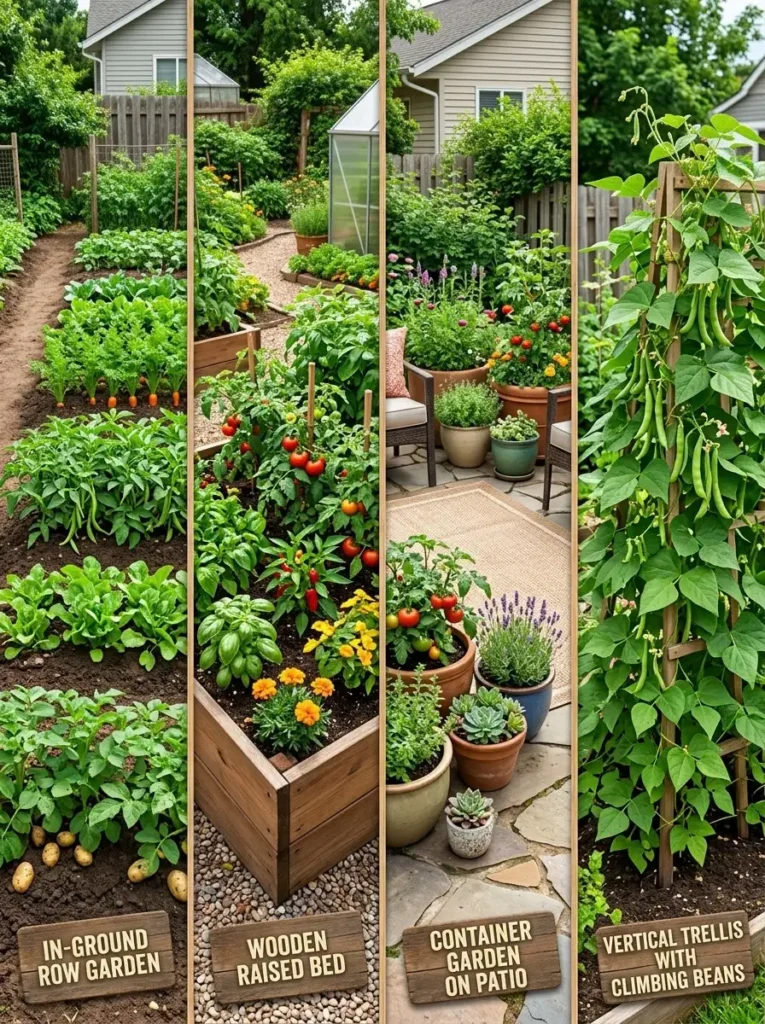
Before you plant anything, it helps to choose a style. The best types of vegetable gardening depend on your space, soil, budget, and time. Here’s a simple look at the most popular options.
In Ground Gardening
This is the classic method. You loosen the soil in your yard and plant in rows or blocks. It costs the least, and it gives roots plenty of room. The downside is that you’re stuck with your native soil, which may be sandy, rocky, or full of clay. A soil test tells you what to add.
Raised Bed Gardening
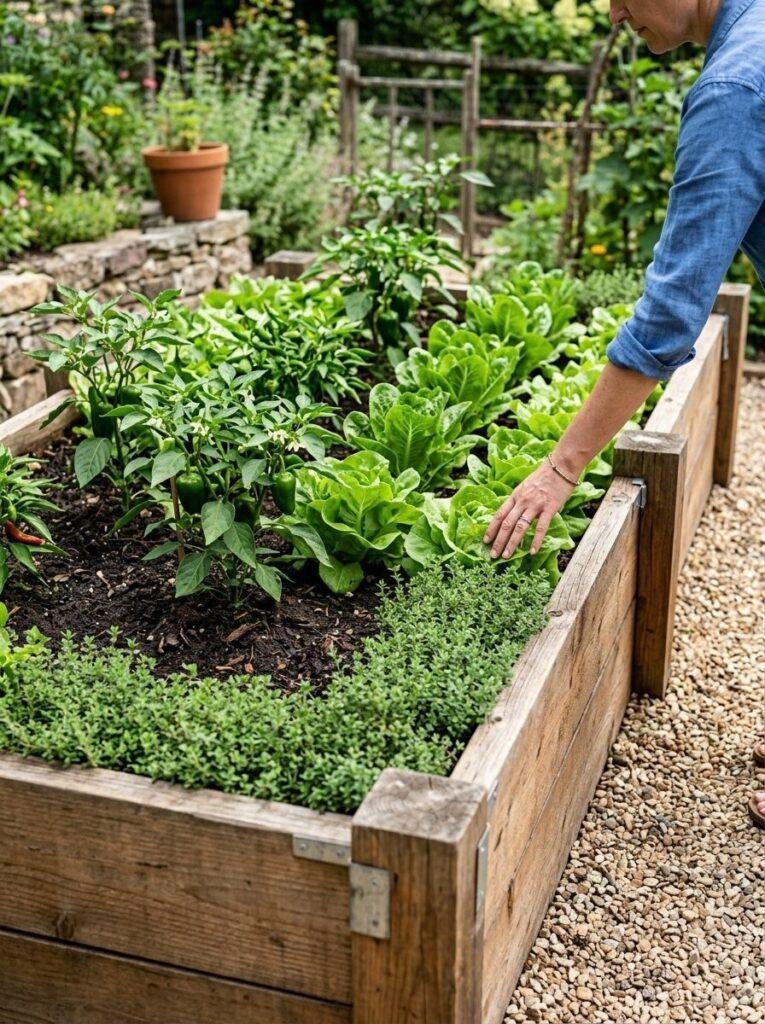
Raised beds are boxes filled with good soil, usually 6 to 12 inches deep. Most beds are about 4 feet wide so you can reach the middle from either side. They drain well, warm up fast in spring, and keep foot traffic off the soil. They’re a top pick for thyme because they give the sharp drainage it loves.
Container Gardening
Pots and buckets work great for patios, porches, and small yards. Use large containers for tomatoes, at least five gallons each, and smaller pots for herbs like thyme. Always use potting mix rather than garden soil, and make sure every pot has drainage holes. Containers dry out faster, so check them often.
Square Foot Gardening
This method divides a raised bed into one foot squares, with a set number of plants in each one. It’s neat, it saves space, and it’s a friendly way for beginners to plan a small garden. Thyme takes one square all to itself.
Vertical Gardening
Trellises, cages, and wall planters let you grow up instead of out. Pole beans, cucumbers, peas, and small squash all climb well. This style saves space and keeps fruit clean and off the ground.
No Dig Gardening
With no dig gardening, you layer cardboard, compost, and mulch right on top of the ground instead of tilling. It builds healthy soil over time and cuts down on weeding. It takes some setup, but many gardeners love the results.
How to Pick the Right Style
- Small space or renting: Containers or vertical gardening
- Poor or rocky soil: Raised beds
- Large yard and a tight budget: In ground rows
- Busy schedule: No dig beds with mulch
- Beginner who likes structure: Square foot gardening
Backyard Vegetable Gardening Ideas and Design Tips
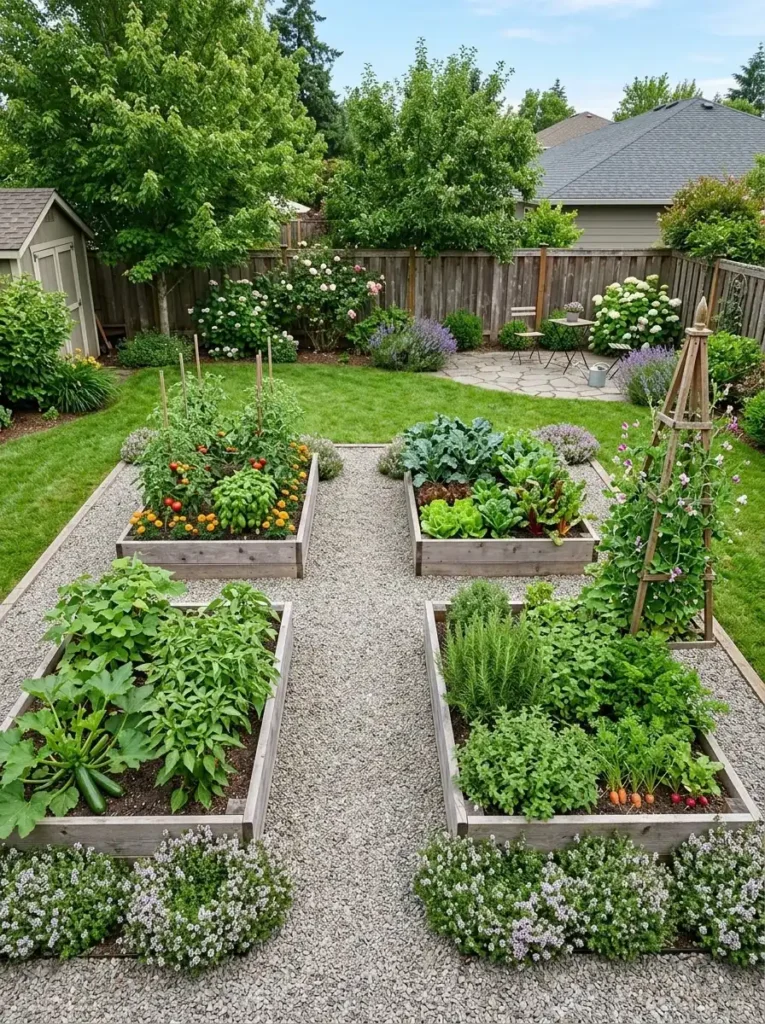
Good planning makes any garden easier to manage. These backyard vegetable gardening ideas help you build something that looks good and produces well. Many of them also work as vegetable gardening design ideas for small spaces.
Start Small
The most common mistake is planting too much too soon. A garden that’s too big becomes a chore by midsummer. Begin with one or two beds, about 4 by 8 feet each. Learn what grows well for you, then expand next season.
Put Your Garden Where the Sun Is
Most vegetables need at least six hours of sun. Tomatoes, peppers, and squash prefer eight. Watch your yard for a day and note which areas stay sunny. Also pick a spot near a water source so you aren’t hauling hoses across the lawn.
Plan Paths and Access
Leave paths at least two to three feet wide so you can walk, kneel, and use a wheelbarrow. Cover paths with mulch, wood chips, or gravel to keep mud and weeds down.
Try Vegetable Gardening Design Ideas That Look Good Too
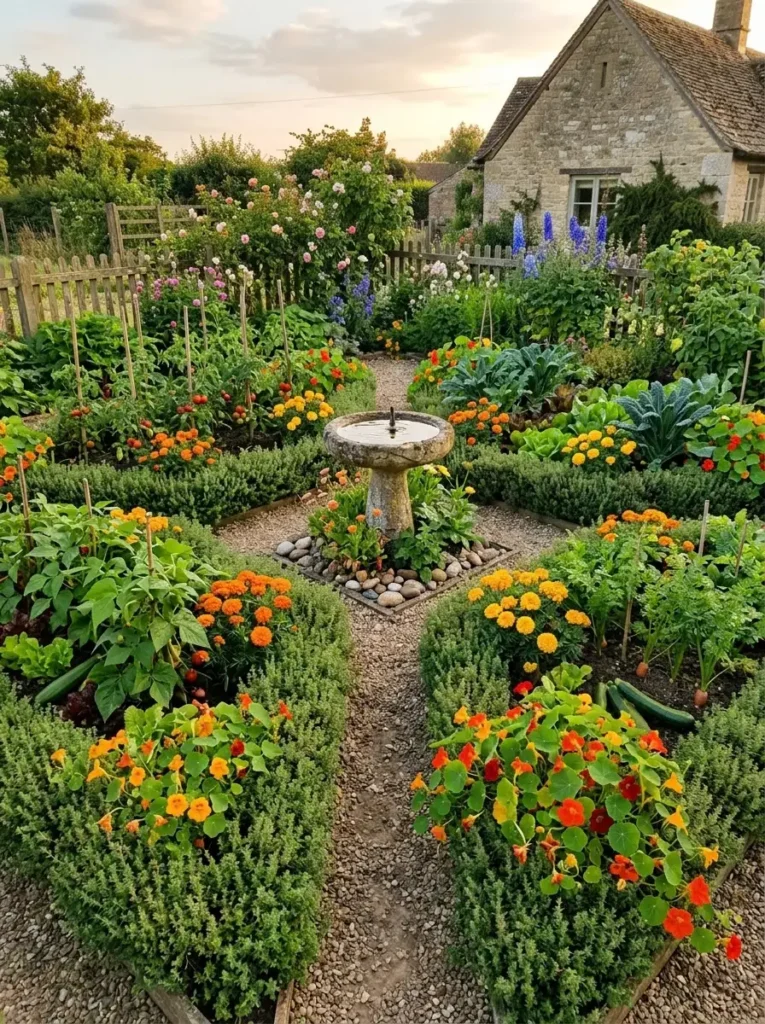
A vegetable garden doesn’t have to look messy. Consider these simple designs.
- Herb edging: Plant thyme, chives, or parsley along the edge of a bed for a neat border.
- Symmetry: Set four beds in a square with a path in the middle and a focal point like a birdbath.
- Mixed planting: Tuck flowers like marigolds and nasturtiums between vegetables for color and pollinators.
- Keyhole beds: A round bed with a small path cut into the center makes it easy to reach every plant.
- Fence lines: Use a sturdy fence as a backdrop for climbing beans or cucumbers.
Use Companion Planting
Some plants help each other. Basil and tomatoes are a classic pair. Thyme works well near cabbage, broccoli, tomatoes, and strawberries. Marigolds are popular for their bright color and strong scent. Keep tall plants on the north side of the bed so they don’t shade smaller ones.
Vegetable Gardening Pictures: What to Look For
When you browse vegetable gardening pictures for inspiration, look beyond the pretty flowers. Notice the small details that make a garden work.
- Are the beds narrow enough to reach across?
- Do paths look wide and clear?
- Is there a trellis or cage for tall plants?
- Are there low herbs or flowers filling gaps?
- Does the garden sit in full sun?
Save a few photos that match your yard’s size and shape. Then copy the layout ideas, not the exact plants. Your climate and soil decide what will grow best.
Make Room for Water and Mulch
Mulch is your best friend. A two to three inch layer of straw, leaves, or wood chips holds moisture, blocks weeds, and feeds the soil as it breaks down. Keep mulch a couple of inches away from stems, and don’t pile it on thyme, which prefers drier conditions.
Tomato Gardening With Thyme: Tips for Bigger Harvests
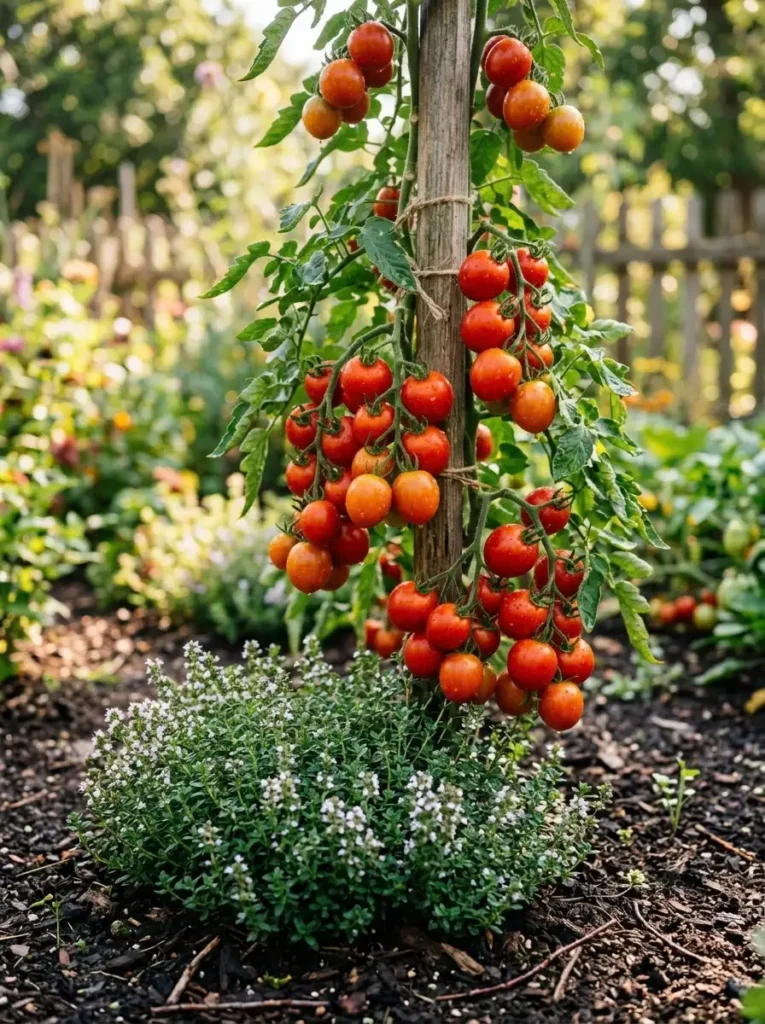
Tomatoes are the most popular crop in any home garden, and they pair nicely with herbs. If you’re starting tomato gardening this year, here’s how to do it right.
Pick the Right Tomato
Tomatoes come in two main growth habits. Determinate types grow to a set size and ripen most of their fruit at once, which is great for canning and small spaces. Indeterminate types keep growing and producing until frost, and they need tall stakes or cages. Cherry tomatoes are usually the easiest for beginners, and they produce heavily.
Plant Deep and Space Wisely
Bury tomato seedlings deeper than they grew in the pot, up to the first set of true leaves. The buried stem grows extra roots, which makes the plant stronger. Space plants 24 to 36 inches apart so air can move between them. Good airflow helps prevent leaf diseases.
Water Deeply and Steadily
Tomatoes like even moisture. Water at the base of the plant, not on the leaves, and do it in the morning. Uneven watering can cause cracked fruit and a problem called blossom end rot, where the bottom of the tomato turns dark and leathery. A steady schedule and a layer of mulch help prevent it.
Where to Plant Thyme Near Tomatoes
Plant thyme at the edge of the tomato bed rather than right against the stems. Thyme wants drier soil than tomatoes, so give it a little distance and a slightly raised spot. Many gardeners say the herb’s scent helps deter pests like hornworms, and the flowers bring in pollinators. Even if the pest benefit is modest, you still gain flavor for tomato sauces and roasted tomatoes.
Support and Prune
Stake or cage your plants early, before they get large. For indeterminate types, remove suckers, the small shoots that grow between the main stem and a branch. This keeps the plant tidy and helps the fruit ripen.
Watch for Common Tomato Problems
- Hornworms: Large green caterpillars. Pick them off by hand.
- Early blight: Brown spots on lower leaves. Remove affected leaves and mulch to stop splashing soil.
- Cracked fruit: Usually from uneven watering.
- Few fruit in extreme heat: Tomatoes may drop blooms when nights stay very warm. Don’t worry, they’ll set fruit again when it cools.
Vegetable Gardening on a Slope: Turn a Hill Into a Harvest
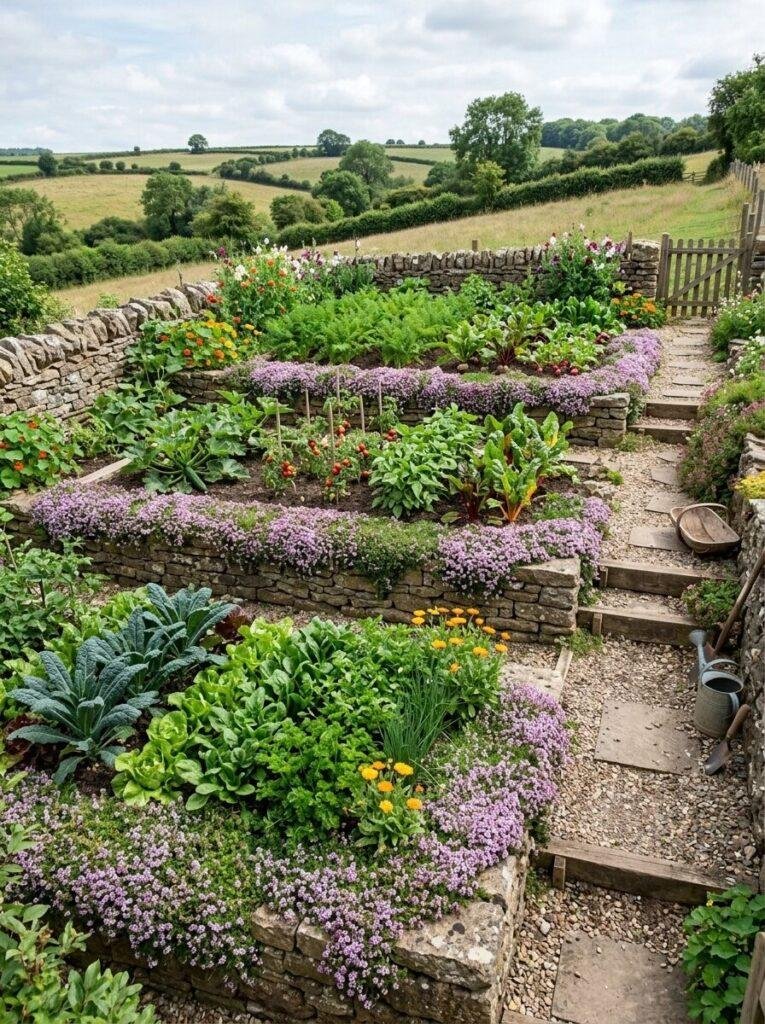
A sloped yard can feel like a problem, but it can be a real advantage. Slopes often drain well, get good sun, and offer a beautiful view. The challenge is keeping soil and water from washing downhill. Here’s how to handle vegetable gardening on a slope.
Build Terraces
Terraces turn a hillside into a series of flat steps. Each level holds soil and water instead of letting them run off. Use stone, treated timber, or concrete blocks for the walls. For steep slopes over about 20 degrees, consider getting help from a landscaper, since tall walls need proper support.
Use Raised Beds Across the Hill
Image Instruction: A simple diagram of a hillside seen from above, with level raised beds running sideways across the slope along contour lines. Add arrows showing water soaking in instead of running downhill.
Alt Text: Raised beds placed along the contour of a slope for vegetable gardening on a hillside
If a full terrace is too big a project, set raised beds along the slope, following the contour. This means each bed runs sideways across the hill, not up and down. Level each bed so water soaks in instead of racing away.
Plant Along the Contour
Even without walls, plant rows across the slope rather than down it. Rows that run downhill act like little channels for water and erosion. Contour rows slow the flow and let the soil drink.
Let Thyme Hold the Soil
Creeping thyme is excellent on slopes. It spreads into a dense mat, its roots grip the soil, and it handles dry conditions well. Plant it along the edges of terraces or on the steepest parts between vegetable beds. It’s a pretty way to add gardening thyme to a tricky spot.
Mulch Heavily
A thick layer of mulch keeps rain from washing soil away. On slopes, use heavier mulch like wood chips or shredded bark rather than light straw, which can slide off.
Water Carefully
On a slope, water tends to run to the bottom. Use drip lines or soaker hoses that release water slowly. Plants near the top may need extra attention, and plants at the bottom may stay wetter. Put thirsty crops like tomatoes at the lower end and thyme higher up where it’s drier.
Central Florida Vegetable Gardening Month by Month
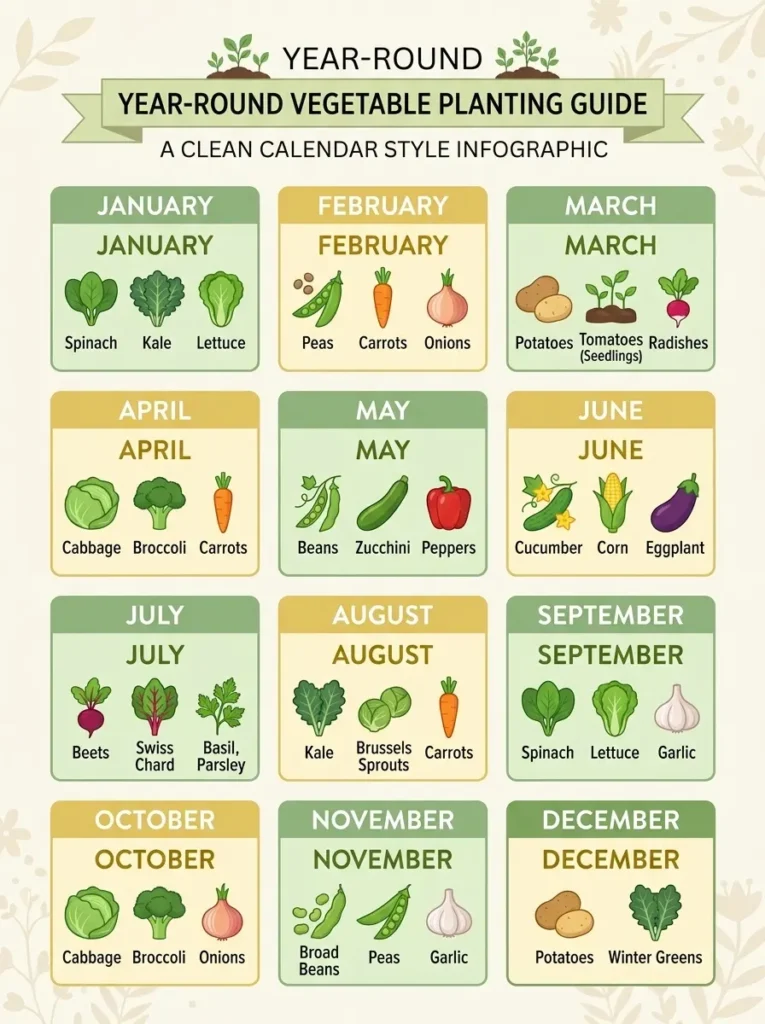
Central Florida has a unique growing calendar. Mild winters and hot, humid summers mean you can garden almost all year, but the crops change with the seasons. Here’s a simple Central Florida vegetable gardening month by month guide. Exact dates shift with your zone and the weather, so check with your local extension office for a planting guide made for your county.
January
This is prime time for cool season crops. Plant lettuce, kale, spinach, carrots, beets, broccoli, and cabbage. It’s also a good month to set out thyme, since cool weather helps it settle in. Start tomato seeds indoors near the end of the month. Protect plants if a frost is in the forecast.
February
Keep planting cool season crops early in the month. Around mid to late February, once the danger of frost has passed, set out tomato and pepper transplants. Plant potatoes and radishes now as well.
March
March is a busy month. Plant tomatoes, peppers, eggplant, cucumbers, squash, and bush beans. Sow corn and start sweet potato slips. Add mulch before the heat arrives.
April
Warm season crops keep going. Plant okra, southern peas, sweet potatoes, and more beans. Watch for pests like aphids and hornworms as temperatures climb. Water deeply and regularly.
May
Heat is rising, and cool season crops are finished. Focus on heat lovers like okra, southern peas, sweet potatoes, and hot peppers. Pull out worn out spring crops and add compost to the soil. Give thyme good airflow, since humid weather can cause problems.
June
Summer heat and rain are here. Many vegetables struggle now. Stick with tough crops like okra, southern peas, and sweet potatoes. Harvest often. Consider planting a cover crop in empty beds to protect the soil.
July
July is very hot. Plant okra and sweet potatoes if you haven’t yet, and start planning your fall garden. This is a good time to clean tools, fix beds, and order seeds. Check thyme in pots often, because heavy rain and poor drainage can rot the roots.
August
Begin prepping for the fall garden. Refresh soil with compost. Toward the end of the month, start tomato and pepper seeds indoors for fall planting. Keep watering as needed, since afternoon storms don’t always soak the ground.
September
Fall planting begins. Set out tomato, pepper, cucumber, and squash transplants early in the month. Sow bush beans and southern peas. Keep new plants watered as the heat slowly eases.
October
The garden gets much more comfortable. Plant broccoli, cabbage, cauliflower, carrots, radishes, and lettuce. October is also a great month for planting thyme and other herbs. Cooler weather and lower humidity help them root well.
November
Cool season crops take over. Plant leafy greens, kale, collards, radishes, turnips, and peas. Harvest fall tomatoes and peppers before the first cold snap. Keep cloth handy to cover tender plants.
December
Keep planting cool crops like lettuce, spinach, beets, and carrots. Harvest herbs regularly, including thyme. Watch the forecast, and cover sensitive plants on cold nights.
Tips for Central Florida Gardeners
- Test your soil. Florida soil is often sandy and low in nutrients. Compost improves both water holding and fertility.
- Mulch year round. It cools the roots and saves water.
- Choose heat tolerant varieties. Look for tomatoes bred for humid, hot climates.
- Watch for nematodes. These tiny soil worms can damage roots. Rotating crops and adding compost helps.
- Plant thyme in the cooler months. It handles Florida’s dry winters better than its wet summers, so give it excellent drainage or grow it in containers.
Frequently Asked Questions
How long does it take to grow thyme?
Thyme grown from seed can take about 8 to 12 weeks before you can harvest lightly. If you start with a nursery plant, you can snip small amounts within a few weeks. Full size plants usually take a season to fill out.
Can thyme grow in pots?
Yes. Thyme does very well in containers. Use a pot at least 8 to 10 inches wide with drainage holes and a gritty potting mix. Water only when the top of the soil is dry.
Is thyme good to plant with tomatoes?
Many gardeners plant thyme near tomatoes and say it draws pollinators and may help repel some pests. Keep it at the edge of the bed, since it likes drier soil than tomatoes.
What is the easiest vegetable gardening style for beginners?
Raised beds are often the easiest starting point. They drain well, keep weeds down, and let you control the soil. A single 4 by 8 foot bed is plenty to begin with.
When should I plant a vegetable garden in Central Florida?
Central Florida has two main planting seasons. The spring season runs from about February through April for warm season crops like tomatoes and peppers. The fall season runs from September through November. Cool season crops like lettuce and broccoli do best from October through February.
Conclusion
Gardening thyme is a small step that pays off in a big way. It’s easy to grow, it improves the look and health of your vegetable beds, and it brings fresh flavor to your kitchen. Once you’ve tried it, you’ll likely want to add more herbs and vegetables.
Start with what fits your space. Pick a garden style, choose a sunny spot, and plant a few tomatoes with thyme along the edge. If you have a hillside, build a few simple terraces. If you live in Central Florida, follow the seasons and time your plantings by the month. Keep notes as you go, because your own garden will teach you more than any guide.