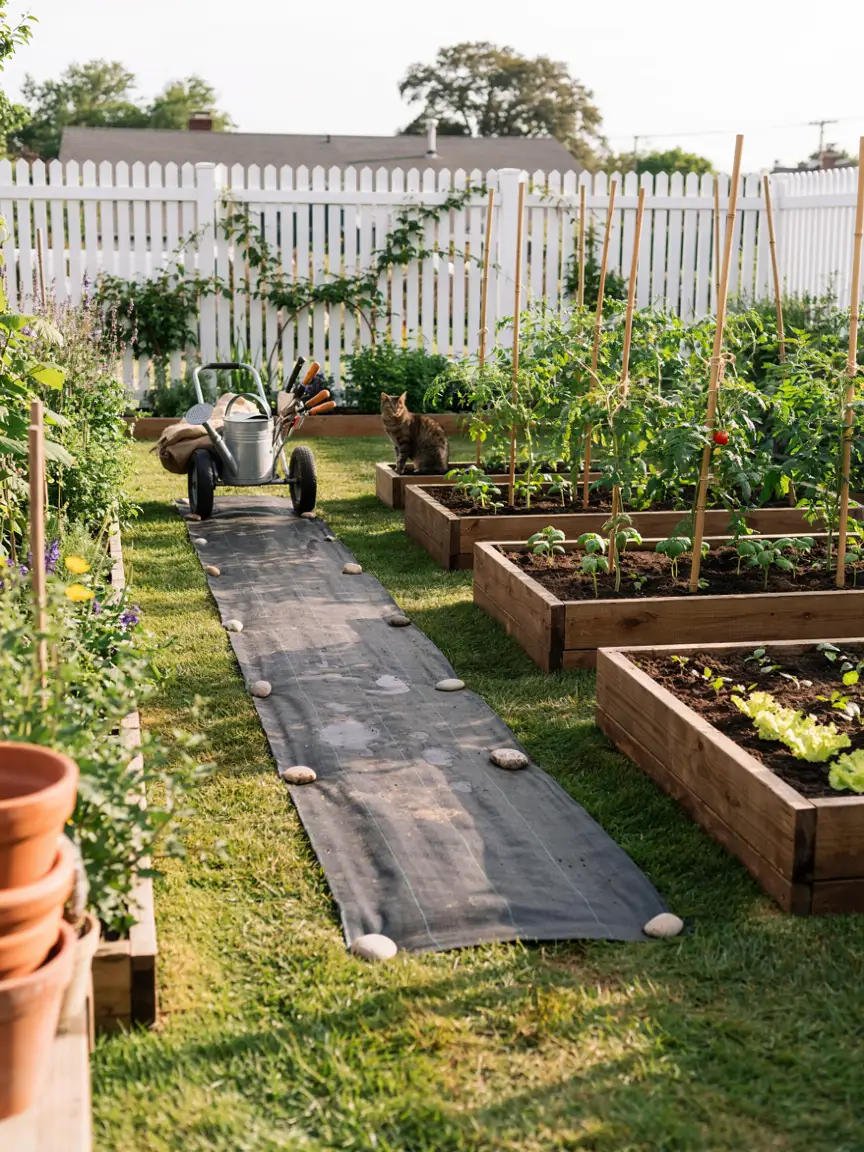
Ask any gardener what they wish they had bought sooner, and a surprising number will say a gardening mat. It sounds almost too simple to matter, yet kneeling on hard, damp ground for an hour is one of the fastest ways to turn a relaxing hobby into a sore, cranky afternoon. That one piece of gear is often the difference between someone who gardens for twenty minutes and gives up, and someone who happily spends the whole morning outside.
This guide goes well beyond the mat itself, though. Gardening involves a surprising amount of gear once you get past the basics, from soil and stakes to fencing, sprayers, and organization tools most beginners never think to budget for. Below you will find a practical breakdown of what actually earns a spot in your shed, organized by category, along with buying tips and answers to the questions new gardeners ask most often. By the end, you will know exactly what to prioritize and what you can safely skip.
It helps to think of garden gear in tiers rather than one long undifferentiated shopping list. Some items, like a gardening mat and a basic trowel, matter from day one regardless of what or where you are growing.
Others, like a gardening tent or a full fencing setup, only become necessary once your specific garden runs into a specific problem, whether that is a short growing season or a deer population that treats your lettuce like a salad bar. Sorting gear this way keeps a beginner from overspending on equipment that a small first year garden simply does not need yet.
Why a Gardening Mat Belongs at the Top of Your List
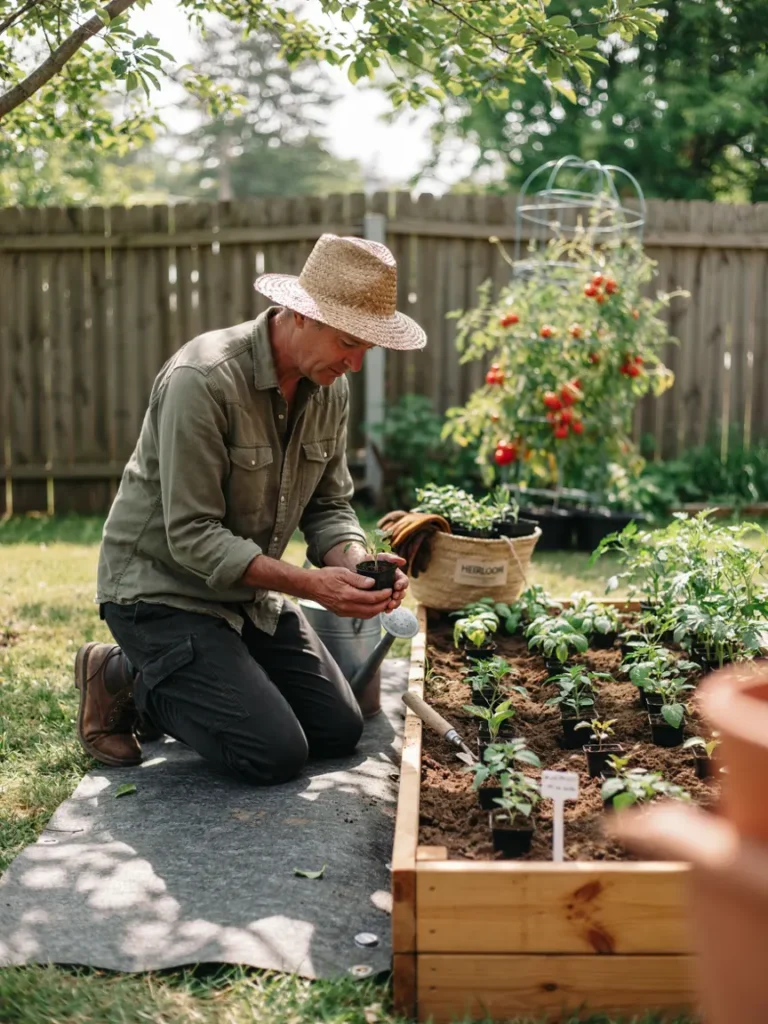
Most gardening injuries and aches are not dramatic. They build slowly, one kneeling session at a time, until your knees or lower back start reminding you every time you stand up from a bed of vegetables. A gardening mat solves this directly by putting a cushioned barrier between your body and the ground, especially when following a cat gardening guide that covers ways to make your garden safer and more comfortable for both you and your pets.
Quality gardening mats are typically made from dense, closed cell foam, which resists absorbing moisture the way a fabric cushion would. Look for one at least an inch thick, since anything thinner compresses too quickly to offer real protection over a long session. Size matters too. A mat wide enough to support both knees comfortably, roughly sixteen by twenty four inches, works better than a small square that only cushions one knee at a time.
Some gardening mats fold in half, which makes them easier to store and doubles the cushioning if you want extra support for a particularly long weeding session. Others come attached to a small frame with side handles, letting you use the mat as a kneeler with something to push against when standing back up, which is a genuinely useful feature for anyone with knee or hip discomfort.
If you only buy one piece of gear after reading this guide, make it this one. Nearly every other tool on this list assumes you are comfortable enough to actually spend time in the garden, and a mat is what makes that possible session after session.
Price ranges widely across gardening mats, from a few dollars for a basic foam square to considerably more for a padded kneeler with an attached frame and tool pockets. For most home gardeners, a mid range option in the middle of that range tends to offer the best balance of durability and comfort, since the cheapest mats compress and lose their cushioning within a single season of regular use.
Structural Gear for Planning Your Gardening Plot
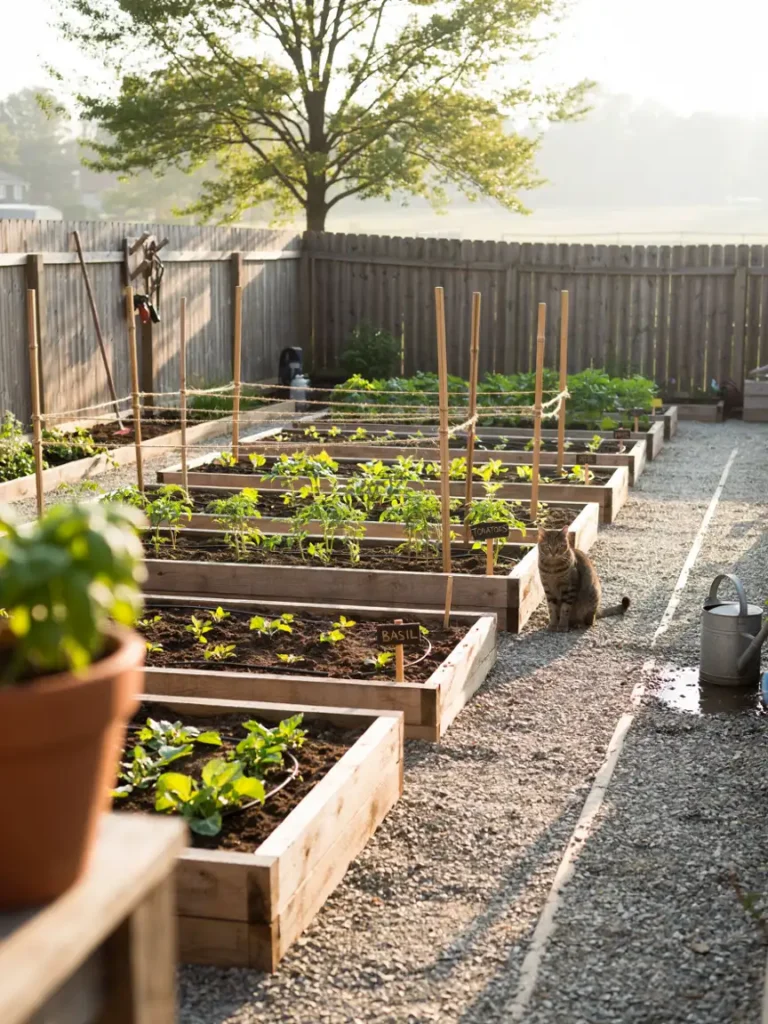
Once comfort is handled, the next category worth thinking about is the physical structure of your growing space itself.
Planning and Laying Out a Gardening Plot
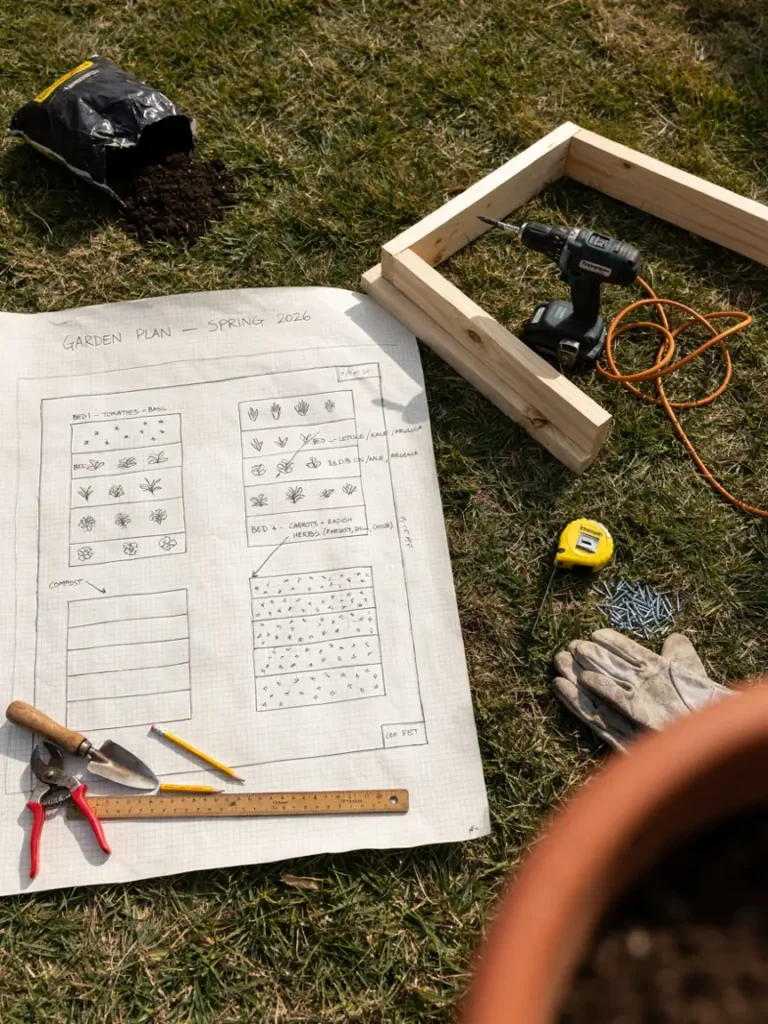
A gardening plot does not need to be complicated, but it does benefit from a bit of planning before you start digging. Sketch the space first, noting where sunlight falls throughout the day, since most vegetables need at least six hours of direct light to thrive. Raised beds tend to warm up faster in spring and drain better than in ground plots, which makes them a popular choice for anyone dealing with heavy clay or poor native soil.
Gardening Edging to Define Your Space
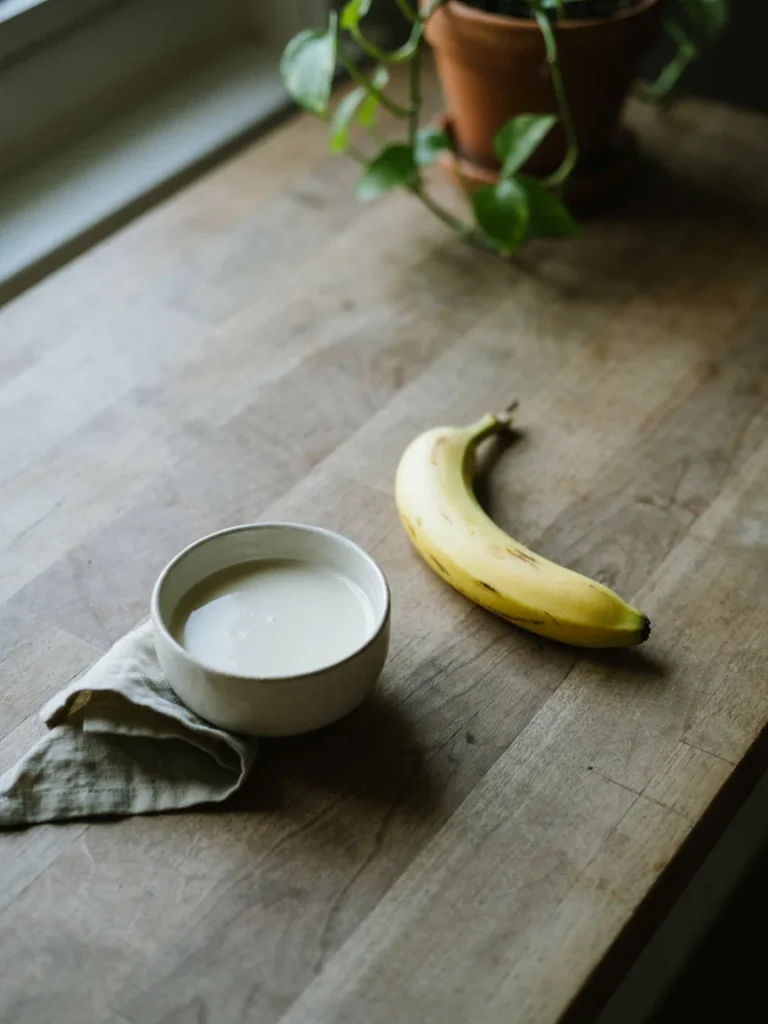
Gardening edging keeps grass, mulch, and soil from migrating into paths and lawn areas, and it gives a plot a noticeably more finished look with very little effort. Metal and plastic edging are the most affordable options and install quickly, while stone or brick edging costs more but holds up for decades without needing replacement.
Installation difficulty varies quite a bit between these options too, which is worth factoring into the decision alongside price. Flexible plastic or metal edging can typically be installed in an afternoon with basic hand tools, simply pushed into a shallow trench along the bed’s border. Stone or brick edging requires more prep work, usually a leveled gravel base beneath the pavers, but the payoff is a border that essentially never needs replacing and can handle a lawn mower running directly alongside it without damage.
Gardening Poles for Structure and Support
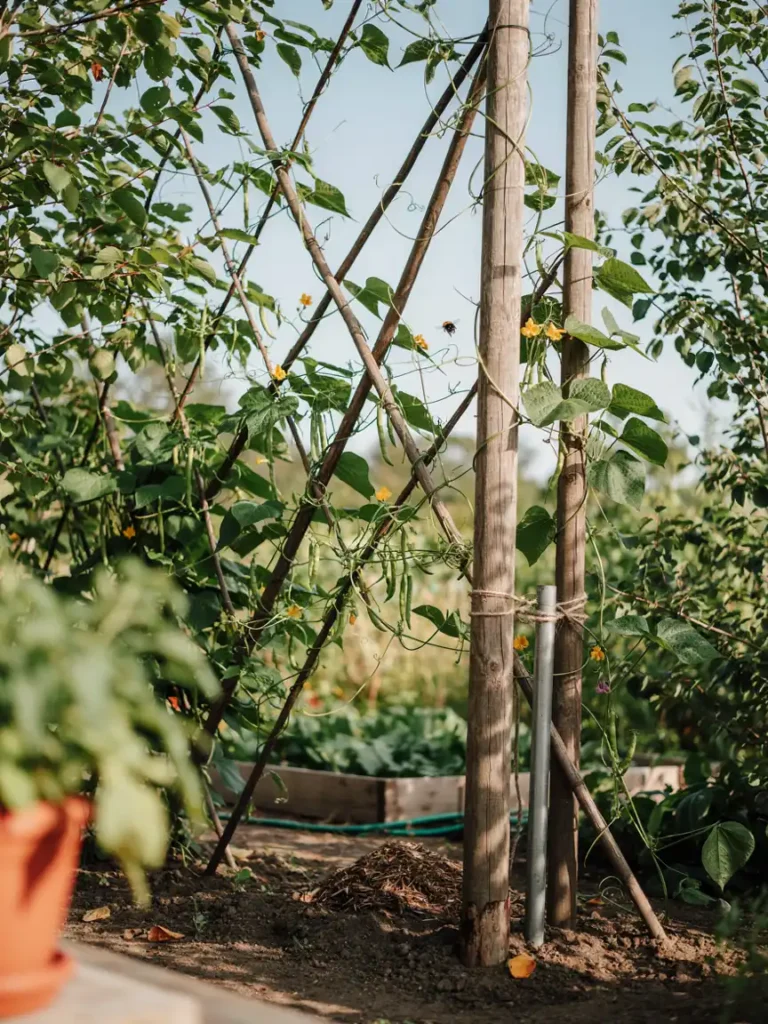
A gardening pole serves double duty as both a structural support and a growing surface. Taller poles anchor trellises or arbors for climbing plants like beans and cucumbers, while shorter poles work well as corner markers for raised beds or as the backbone for a simple row cover frame.
Support Gear That Keeps Plants Upright
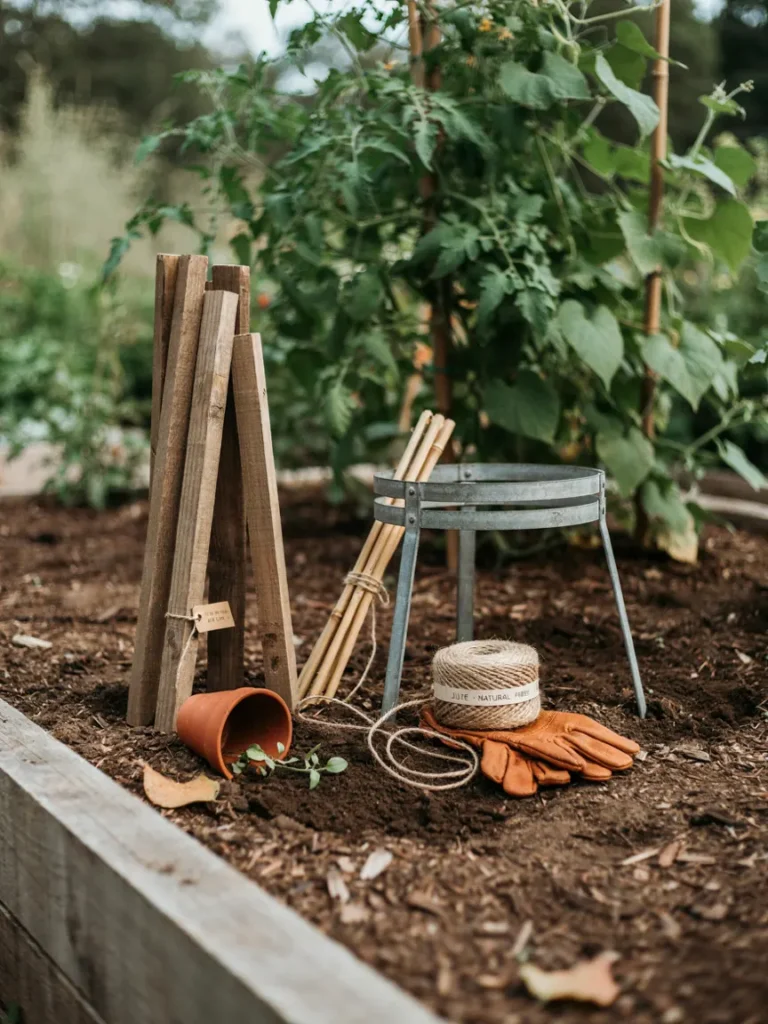
Plants rarely grow in perfectly straight, self supporting lines, and a bit of physical support usually makes the difference between a healthy harvest and a collapsed, tangled mess.
Gardening Stakes and Gardening Sticks
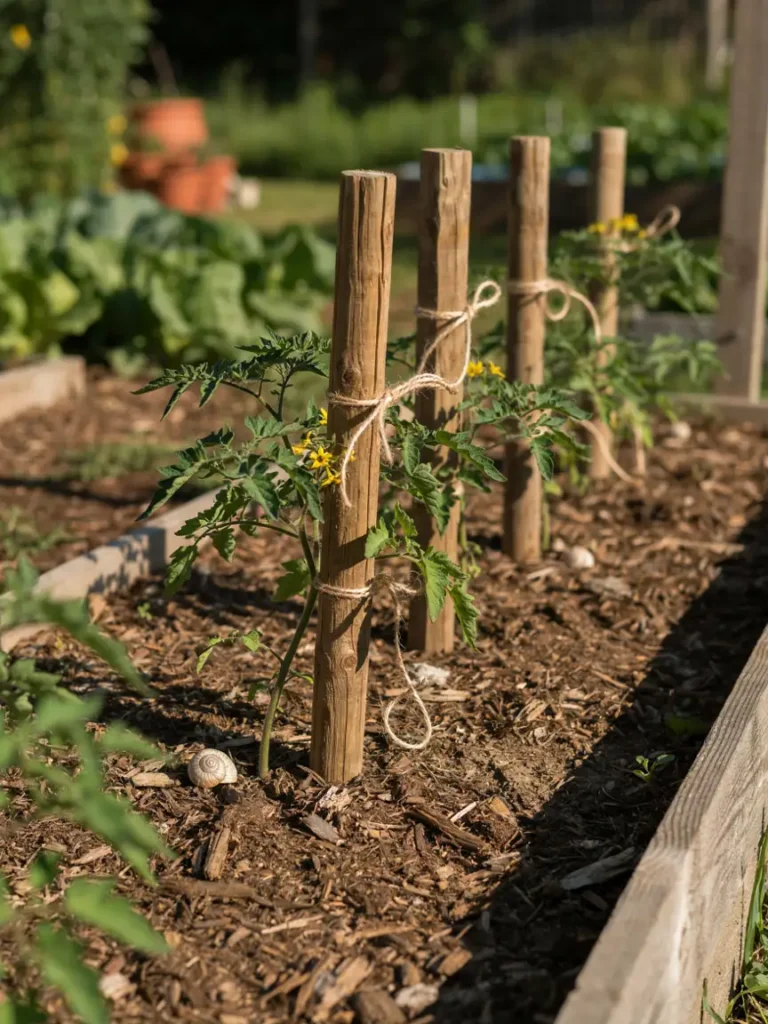
Gardening stakes are essential for tomatoes, peppers, and anything else that tends to lean or topple under the weight of its own fruit. Wooden and bamboo stakes are the classic choice and compost naturally at the end of the season, while metal stakes last considerably longer if you plan to reuse them year after year. Smaller gardening sticks work well for labeling rows or gently training young seedlings before they need a full sized stake.
Timing the installation matters just as much as the stake itself. Driving a stake into the ground after a plant is already tall and sprawling risks damaging the root system, while installing it early, right at transplant time, lets the roots grow around the stake naturally and avoids that problem entirely. A general rule worth remembering is that a stake should be roughly a third longer than the plant’s expected mature height, with that extra length driven securely into the soil for stability.
Flower Supports for Gardening Beds
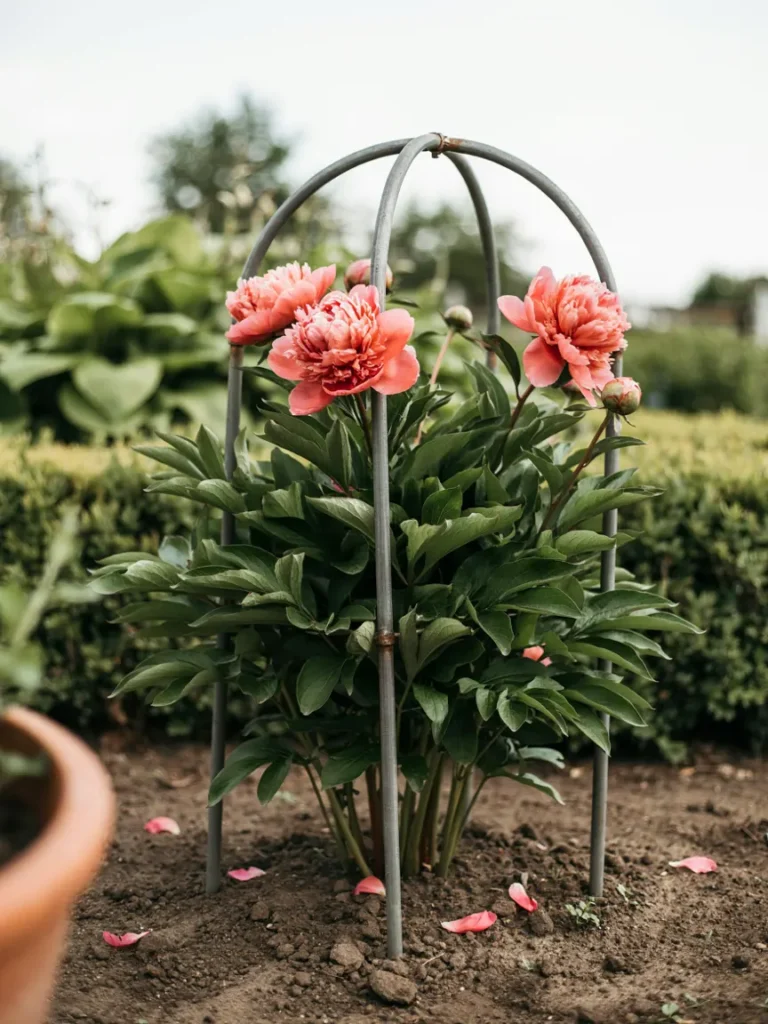
Flower supports for gardening beds range from simple metal hoops to decorative obelisks, and choosing the right one depends entirely on the plant. Peonies and other heavy bloomed perennials benefit from a ring style support installed early in the season, before the plant grows tall enough to flop over. Climbing flowers like sweet peas or clematis do better with a trellis or obelisk they can wind around naturally.
DIY Gardening Kit Options for Support Projects
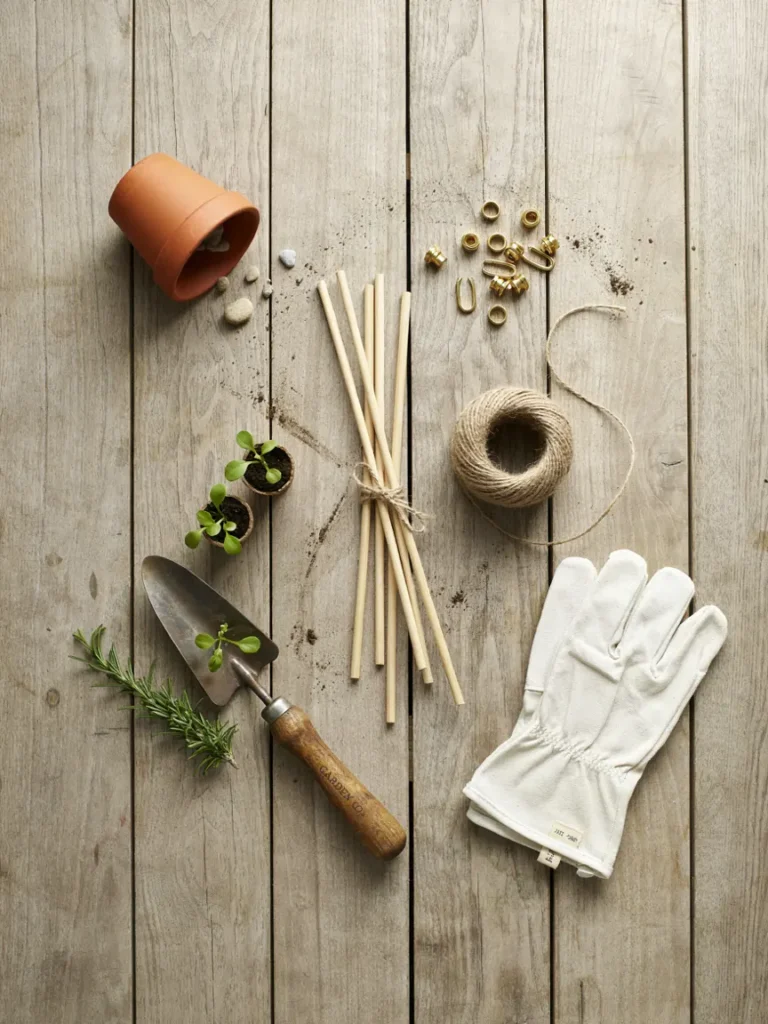
A diy gardening kit built around basic stakes, twine, and connectors lets you build custom supports exactly sized to your beds rather than buying pre made pieces that may not fit. This approach tends to be considerably cheaper than store bought trellising, especially for larger gardens with several beds that all need similar support structures.
Protection Gear for Weather, Pests, and Privacy
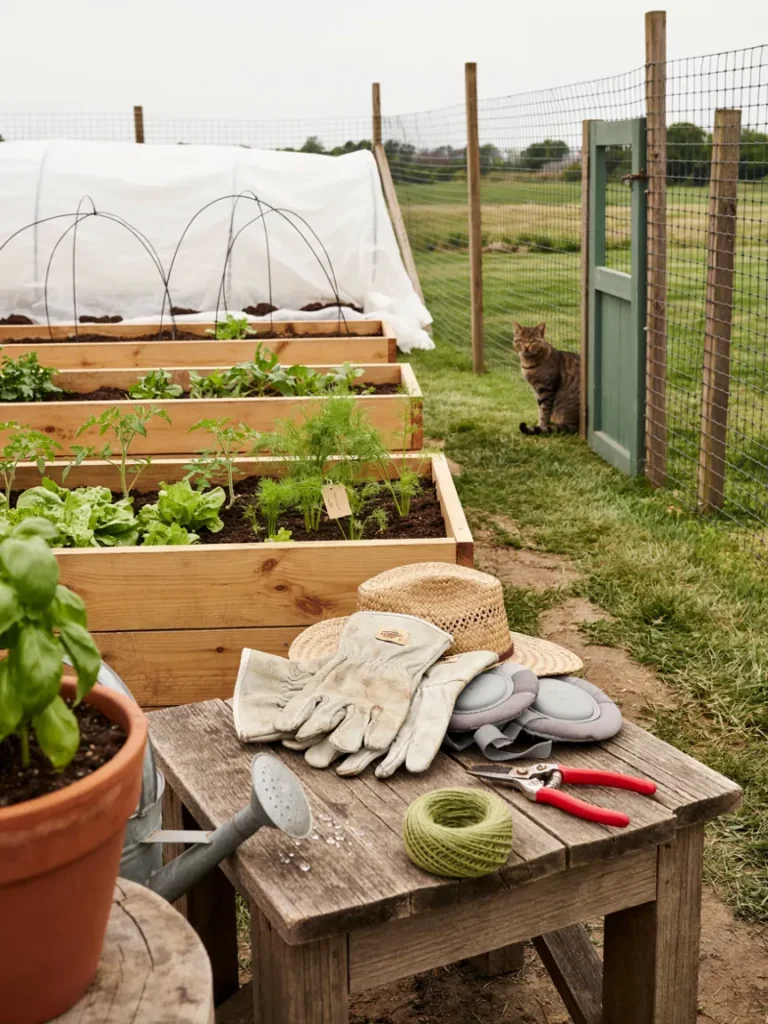
Not every piece of garden gear is about growing plants directly. A good amount of it exists to protect the space and the person working in it from outside factors.
Gardening Gate and Fence Panels
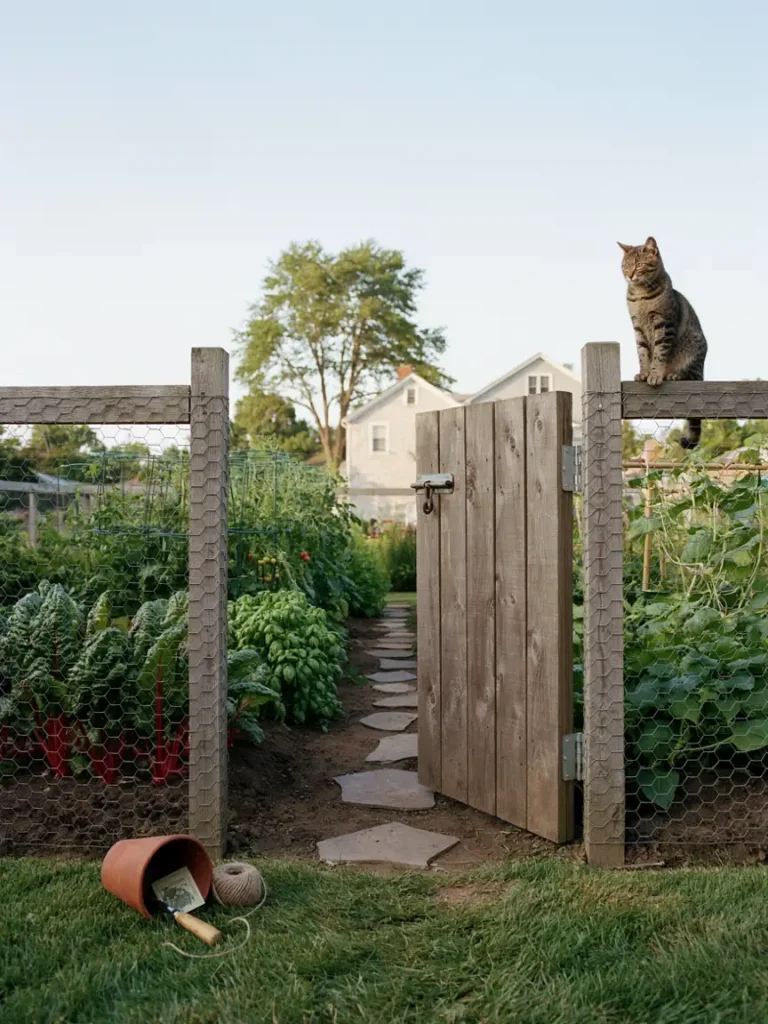
A gardening gate paired with gardening fence panels keeps out rabbits, deer, and other wildlife that would otherwise treat a vegetable bed like a buffet. Wire mesh panels work well for smaller pests, while taller wood or metal fence panels are necessary if deer are a regular problem in your area. A simple latching gate at the entrance makes daily access easy without compromising the barrier.
Height matters more than most new gardeners expect. Rabbits can be kept out with fencing as short as two feet, provided the bottom edge is buried a few inches to prevent digging underneath, but deer are surprisingly capable jumpers and typically require fencing at least seven or eight feet tall to reliably deter them. Knowing which pest is actually the problem before buying fencing prevents the common mistake of installing a barrier that looks substantial but does not actually solve the issue.
Gardening Screen for Privacy and Wind Protection
A gardening screen serves a slightly different purpose than a fence, typically offering privacy or wind protection rather than pest control. Lattice panels, woven reed screening, and living screens made from tall grasses or climbing vines all fall into this category, and the right choice depends mostly on whether you want something solid or something that still lets light and air through.
Gardening Tent for Season Extension
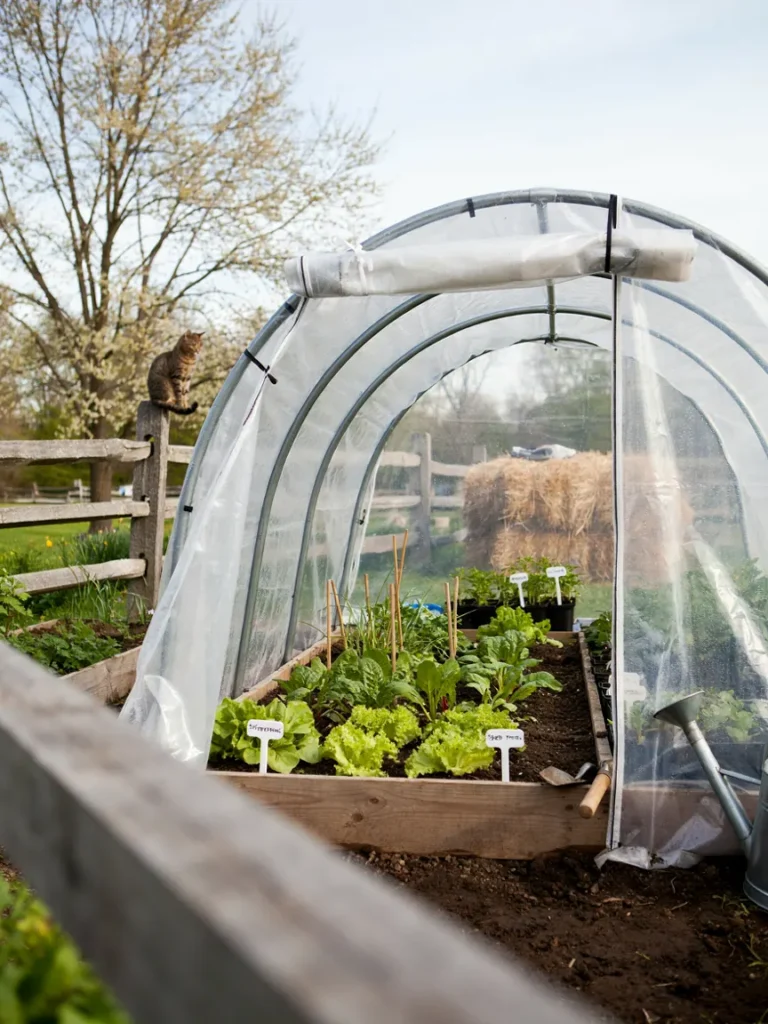
A gardening tent, sometimes called a hoop house or mini greenhouse, extends the growing season on both ends by trapping warmth around young or tender plants. These range from small pop up covers for a single raised bed to walk in structures large enough to work inside comfortably during cooler months.
Gardening Mask for Safety
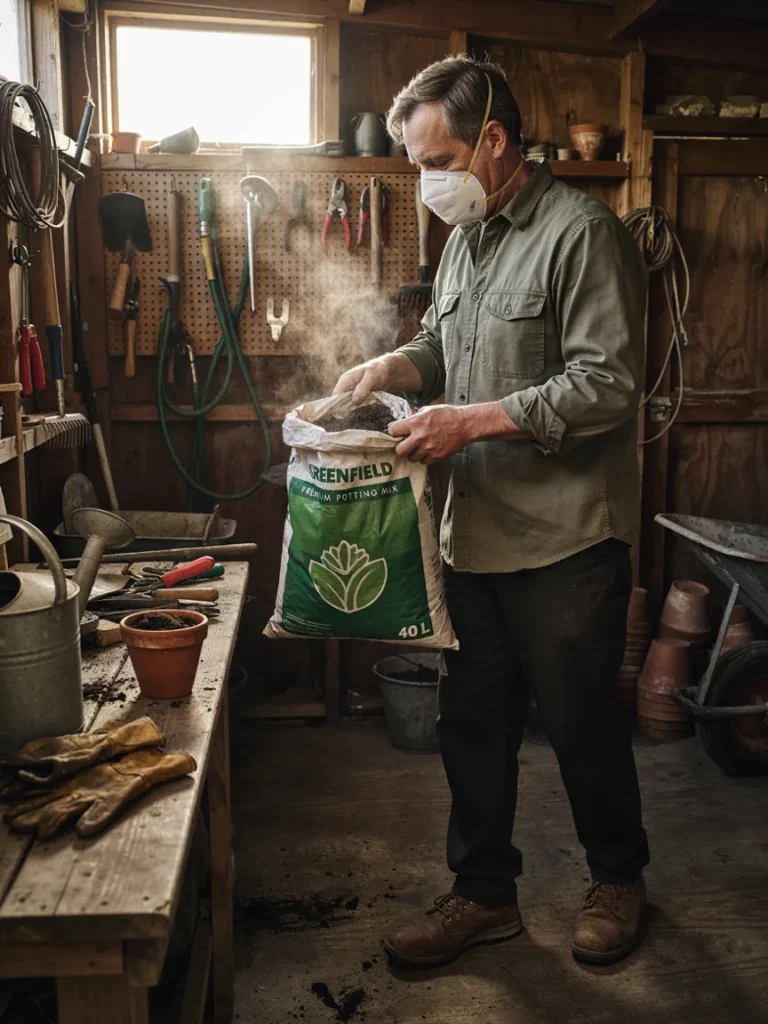
A gardening mask is worth having on hand for anyone working with potting soil, compost, or dry fertilizer, since these materials can release fine dust and spores that irritate the lungs. A basic dust mask handles most casual gardening tasks, though anyone with asthma or allergies may want a mask rated for finer particles.
This is a piece of gear that costs almost nothing but genuinely matters for respiratory health, particularly when turning a compost pile or handling bagged potting mix that has been sitting in a warm shed, since both conditions can encourage mold spore growth inside the bag or pile.
Soil, Sprayers, and Maintenance Essentials
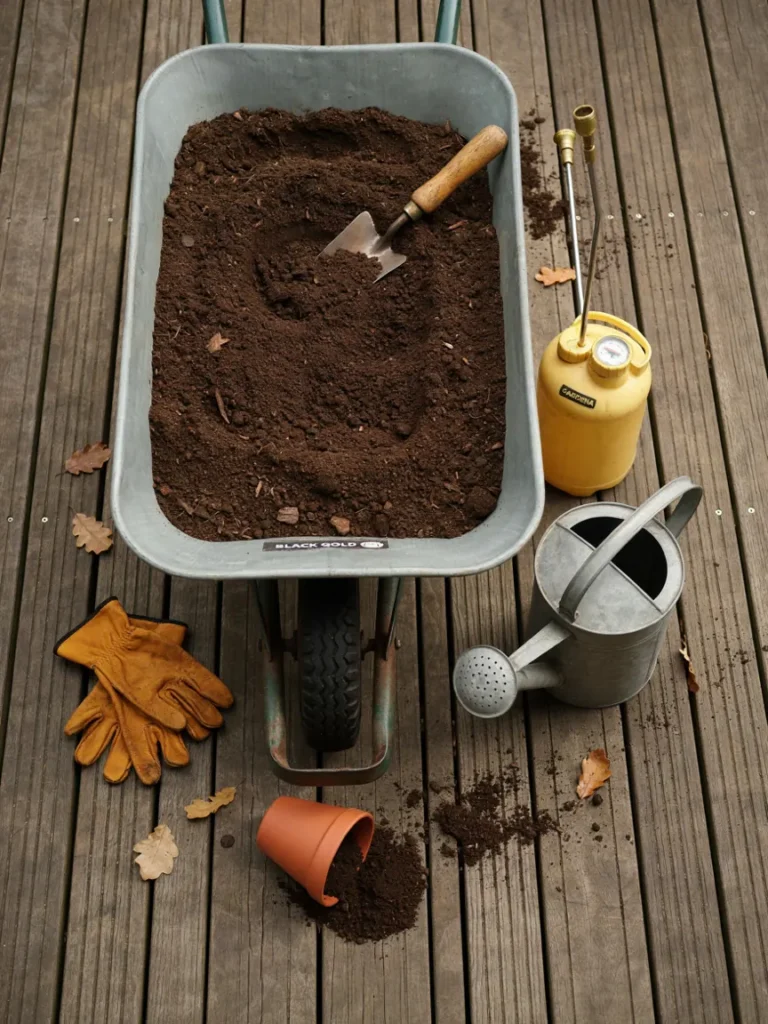
Beyond structure and protection, a handful of consumable and maintenance items round out a well equipped garden.
Choosing the Right Gardening Soil
Gardening soil is not one single product, and using the wrong type is one of the most common reasons new gardeners struggle. Raised beds typically need a blended mix of topsoil, compost, and an aerating material like perlite, while in ground plots usually just need amendment with compost rather than a full soil replacement. Container gardening calls for a specific potting mix, since garden soil alone compacts too densely inside a pot and drains poorly.
A quick soil test, either a simple at home kit or a sample sent to a local extension office, is worth doing before investing heavily in amendments, since it tells you exactly what your existing soil is missing rather than leaving you to guess. Nitrogen, phosphorus, and potassium levels, along with soil pH, all affect which plants will actually thrive, and a ten dollar test can save considerably more than that in wasted fertilizer applied to address a problem the soil never actually had.
Gardening Sprayer for Watering and Treatment
A gardening sprayer handles everything from watering delicate seedlings to applying organic pest treatments and foliar fertilizer. A simple pump sprayer covers most needs for a home garden, while a hose end sprayer is more convenient for larger areas that would take too long to cover with a hand pump model.
Organization and Hauling Gear Worth Having
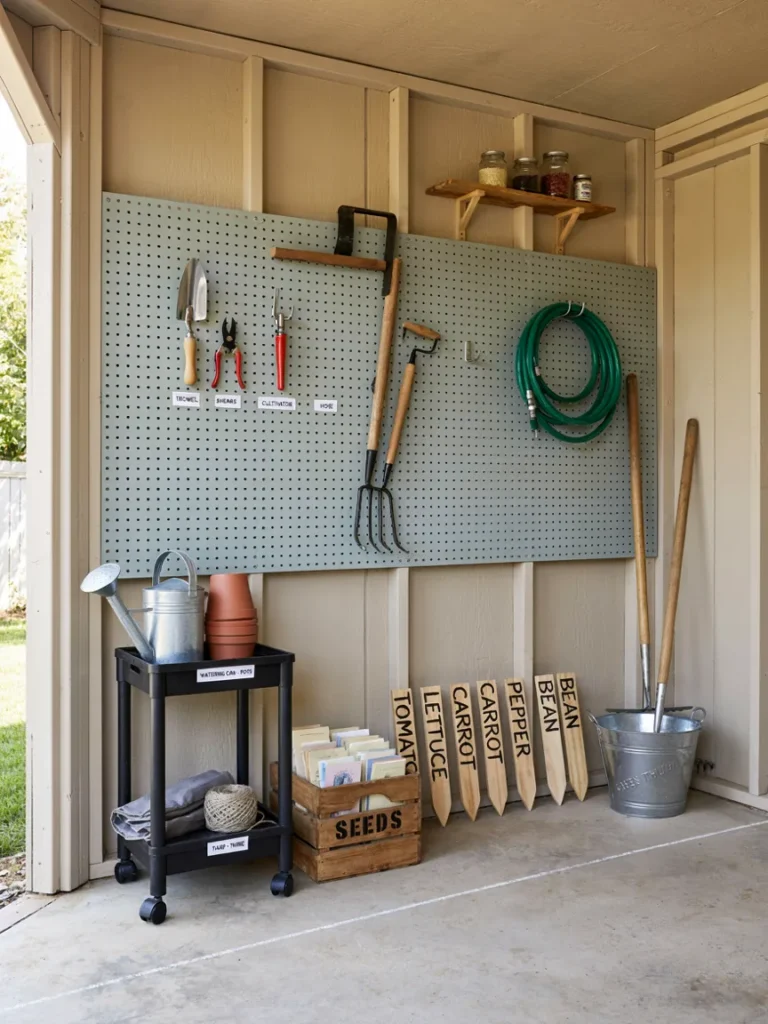
A few final categories make a real difference in how efficiently you can actually run a garden day to day, even though they rarely show up on a beginner’s shopping list.
Gardening Markers to Keep Everything Straight
Gardening markers might seem like a minor detail, but they save enormous confusion once several rows of seedlings start looking identical. Simple wooden or plastic stakes with a writable surface work fine for most gardeners, and reusing them season after season with a pencil rather than permanent marker keeps the cost down over time.
Gardening Golf Cart for Hauling Supplies
![Small garden utility cart with pneumatic tires loaded with soil bags and tools being pulled along a garden path, practical hauling gear in use]](https://stylishhomecorner.com/wp-content/uploads/2026/09/Small-garden-utility-cart-with-pneumatic-tires-loaded-with-soil-bags-and-tools-being-pulled-along-a-garden-path-practical-hauling-gear-in-use-1-768x1024.webp)
A gardening golf cart or utility cart becomes genuinely valuable once your garden grows beyond a single small bed. Hauling soil, mulch, tools, and harvested produce back and forth by hand gets old quickly, and a small cart with pneumatic tires handles uneven ground far better than a standard wheelbarrow in most yards.
Larger properties or community garden plots spread across a wider area benefit the most from this kind of cart, since the time saved on multiple trips adds up quickly over a season of regular maintenance. For a smaller backyard garden confined to a single area near the house, a simple wheelbarrow or garden cart pulled by hand usually covers the same need without the added expense.
When to Buy Each Type of Gardening Gear
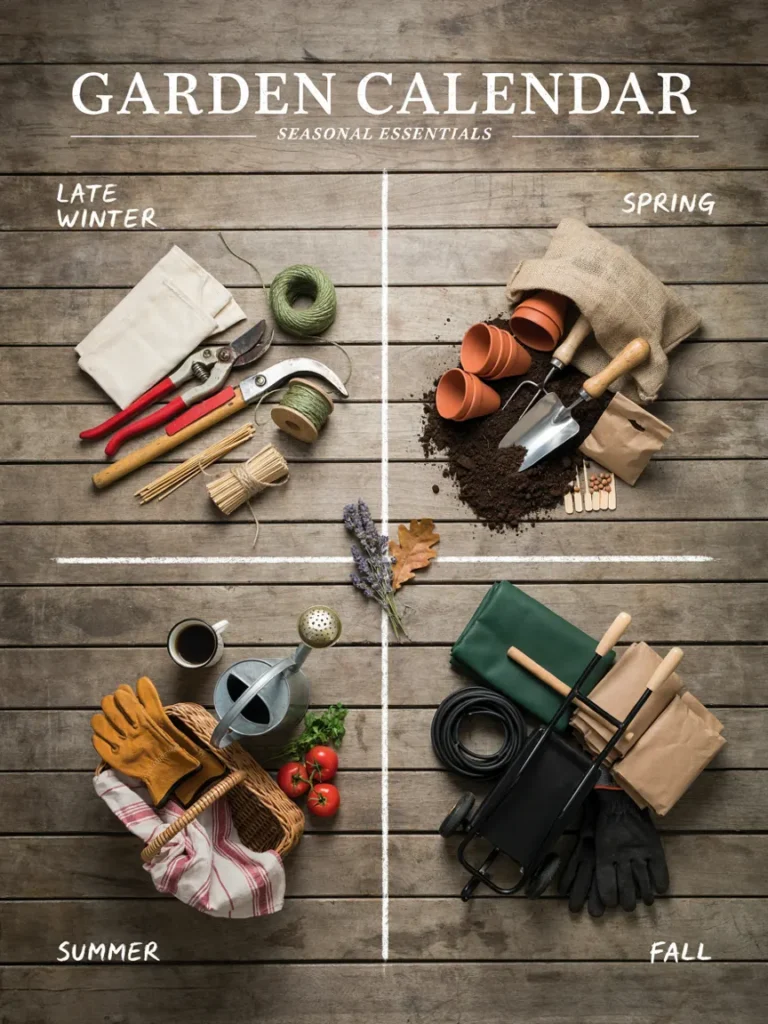
Timing your purchases around the season can save a meaningful amount of money and also means you have the right equipment on hand exactly when you need it.
Late winter and very early spring is the best time to shop for structural gear like a gardening plot layout, edging, poles, and fencing materials, since you can install everything before plants go in the ground and retailers have not yet hit peak season pricing. This is also a smart window to shop for a gardening tent if you are planning to extend your season on the front end, since it needs to be in place before the last frost rather than after.
Once the growing season is fully underway, priorities shift toward consumable and maintenance gear. Gardening soil, a gardening sprayer, and replacement gardening stakes tend to sell through quickly in late spring, so buying a bit early rather than waiting for the exact week you need them avoids the frustration of hunting through picked over shelves.
Fall, right after the growing season winds down, is consistently the cheapest time to buy almost everything else. Gardening mats, markers, a diy gardening kit, and any cart or hauling equipment are frequently discounted as retailers clear seasonal inventory, making autumn the smartest time to stock up for the following year at a fraction of spring pricing.
Frequently Asked Questions
Do I really need a gardening mat, or is it just a nice to have?
A gardening mat is one of the highest value purchases for regular gardeners, since kneeling on hard or wet ground for extended periods leads to real joint discomfort over time. For anyone spending more than a few minutes at a time working close to the ground, it is well worth the modest cost.
What should I look for when buying gardening mats?
Look for dense, closed cell foam at least one inch thick, a size that supports both knees comfortably, and a water resistant surface. Folding designs and models with side handles offer added convenience for longer sessions.
How do I choose the right gardening soil for my raised beds?
Raised beds generally need a blended mix of topsoil, compost, and an aerating material like perlite or vermiculite, rather than plain garden soil. This blend drains well while still holding enough moisture and nutrients to support healthy plant growth.
What basic gear should be in every diy gardening kit?
A solid starting kit includes gardening stakes, twine or garden wire, a hand trowel, gardening markers, and a basic pump sprayer. These few items cover the majority of everyday tasks without requiring a large upfront investment.
Do I need a gardening tent if I already have raised beds?
Not necessarily, but a gardening tent or simple row cover becomes useful if you want to extend your growing season into cooler months or protect young seedlings from a late frost. It is more of a season extension tool than a strict necessity for basic gardening.
When is the cheapest time of year to buy gardening gear?
Fall, right after the growing season ends, is consistently the best time to find discounts on gardening mats, markers, carts, and other non consumable gear as retailers clear seasonal stock. Structural items like edging and fencing are better bought in late winter, ahead of spring installation.
Conclusion
A well equipped garden does not happen all at once, and it does not need to. Start with a quality gardening mat, since comfort is what keeps most people gardening consistently in the first place. From there, add structural gear like edging and poles, support items like stakes and flower supports, and protective gear like fencing or a season extending tent as your specific garden actually calls for them.
Resist the urge to buy everything on this list before you have even planted your first bed. Most experienced gardeners built their collection gradually, adding a new tool only once an actual need made itself obvious. That approach saves money and ensures every piece of gear you own genuinely earns its place in your shed.
Keep a simple running list as the season goes on, noting the moments something would have made a task easier, a stake that bent under too much weight, a soil mix that drained poorly, a knee that ached after twenty minutes without a mat. That list becomes the most accurate shopping guide you could ask for, since it is built entirely around your own garden’s real needs rather than a generic recommendation.