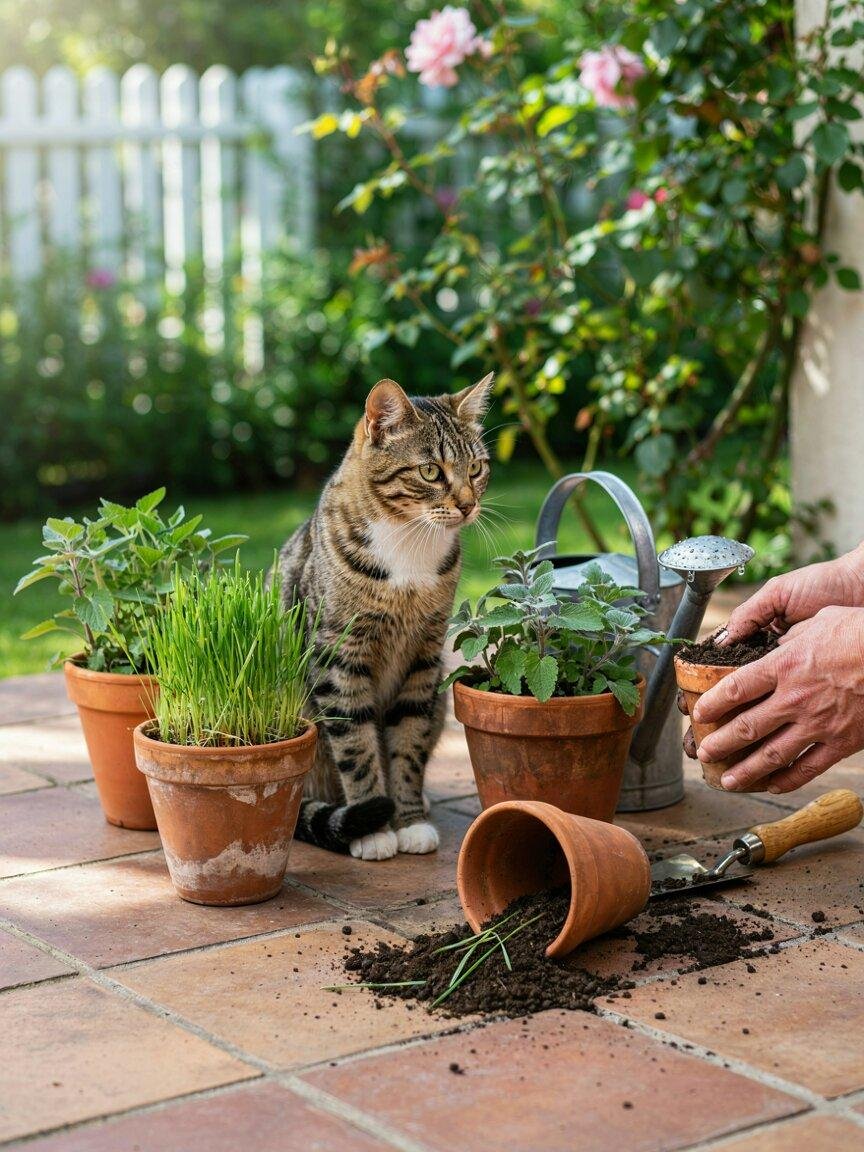
If you have ever caught your cat chewing on a houseplant, flopping dramatically in a sunny flower bed, or staring longingly out the window at the birds in your yard, you already have a cat gardener on your hands. Cat gardening is exactly what it sounds like: designing your outdoor or indoor garden space with your cat’s safety, curiosity, and comfort in mind, while still growing the plants you love.
This guide walks through everything you need to know to get started, from choosing cat safe plants to building an outdoor enclosure, and from indoor windowsill setups to full family projects that bring together a gardening dad, a gardening grandma, and everyone in between. Whether you are a lifelong gardener adding a feline friendly twist to your routine, or a first time pet owner wondering what is actually safe to plant, you will find practical, actionable advice here.
Cat gardening sits at an interesting intersection of two hobbies that already bring people a lot of comfort on their own caring for plants and caring for a pet. Combine the two, and you get a routine that rewards patience, a bit of research, and a willingness to occasionally accept that your cat has opinions about where the catnip should go.
By the end of this article, you should feel confident choosing plants, setting up a safe space, and getting the rest of your household involved, no matter their age or gardening experience.
What Is Cat Gardening and Why Is It Growing in Popularity
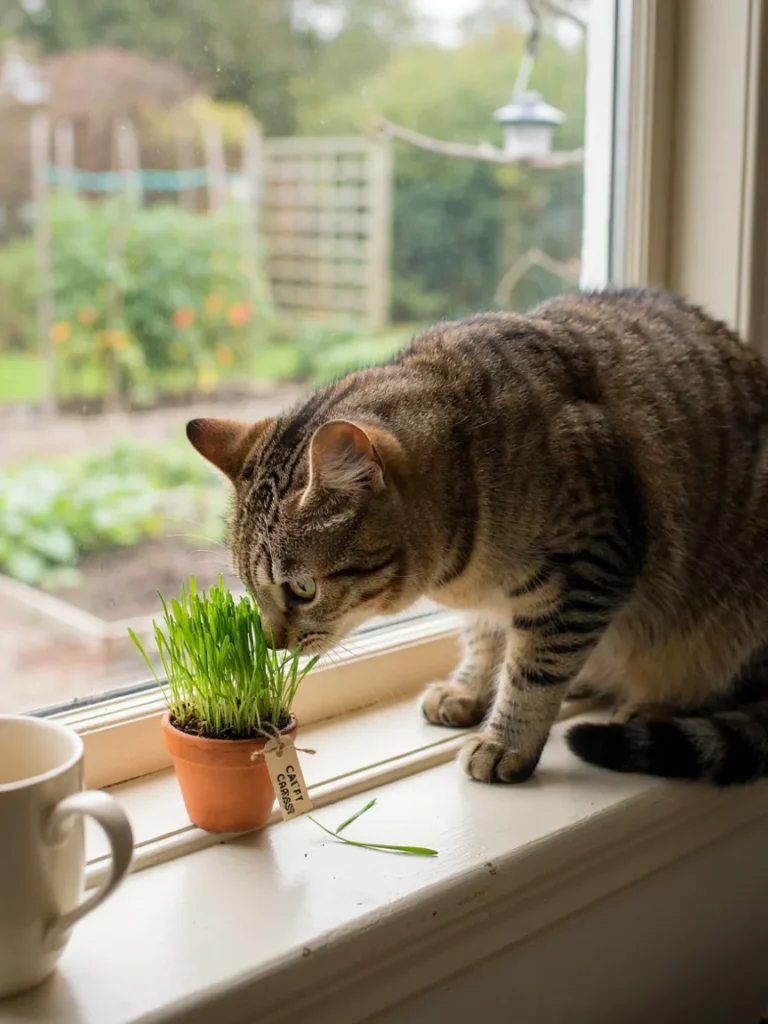
Cat gardening covers a wide range of activities, all centered on one goal: creating outdoor and indoor spaces where cats can safely explore, sniff, nibble, and relax alongside the plants their humans are growing. It might mean planting a patch of cat grass by the back door, building a screened in catio attached to the house, or simply double checking that the flowers in your border are not toxic to your cat if she decides to taste test them.
The trend has grown for a few reasons. More people are keeping cats indoors for their safety, which means owners are looking for ways to bring a bit of the outdoors in. At the same time, gardening itself has seen a real boom, with people of every background picking up trowels for the first time, whether that is a busy gardening mom carving out twenty minutes before the school run, a retired grandfather turning his backyard into a full time hobby, or a young couple experimenting with pots on an apartment balcony.
Who Is Doing Cat Gardening
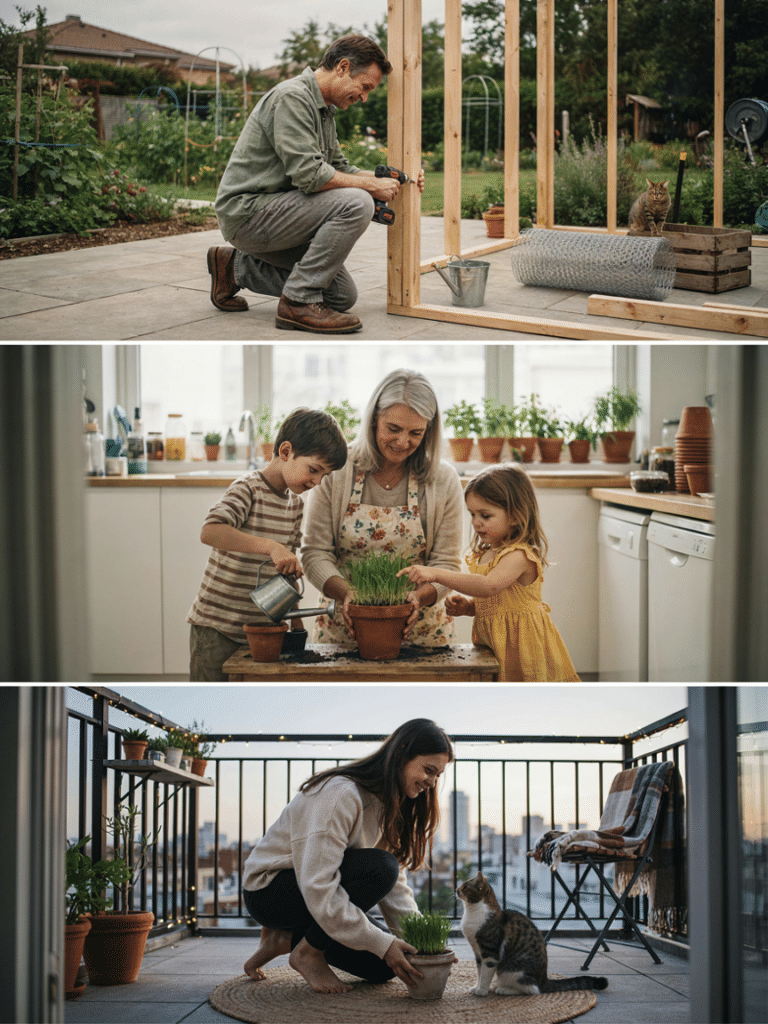
One of the most appealing things about cat gardening is that it truly is for everyone. You do not need a big yard, deep expertise, or a certain body type to get started. Picture a gardening dad building a simple catio frame out of leftover lumber on a Saturday afternoon, teaching his kids basic tool safety along the way. Picture a gardening grandma potting up cat grass on her patio table, her grandchildren helping scoop soil with plastic spoons. Picture a young lady gardening on her apartment windowsill with three pots and a curious tabby perched beside her, or a guy gardening in his first house, learning as he goes with his cat supervising from a nearby fence post.
Cat gardening also resonates strongly with older adults. Retirement gardening has become one of the most popular ways to stay active, and adding a pet friendly angle gives retirees an extra reason to spend time outside. An old man gardening in his backyard with his cat trailing behind him, or a grandma gardening while her cat naps in a sunny patch of grass, are common, comforting scenes precisely because they capture something universal: the quiet joy of tending a garden alongside a beloved animal.
Choosing Cat Safe Plants for Your Garden
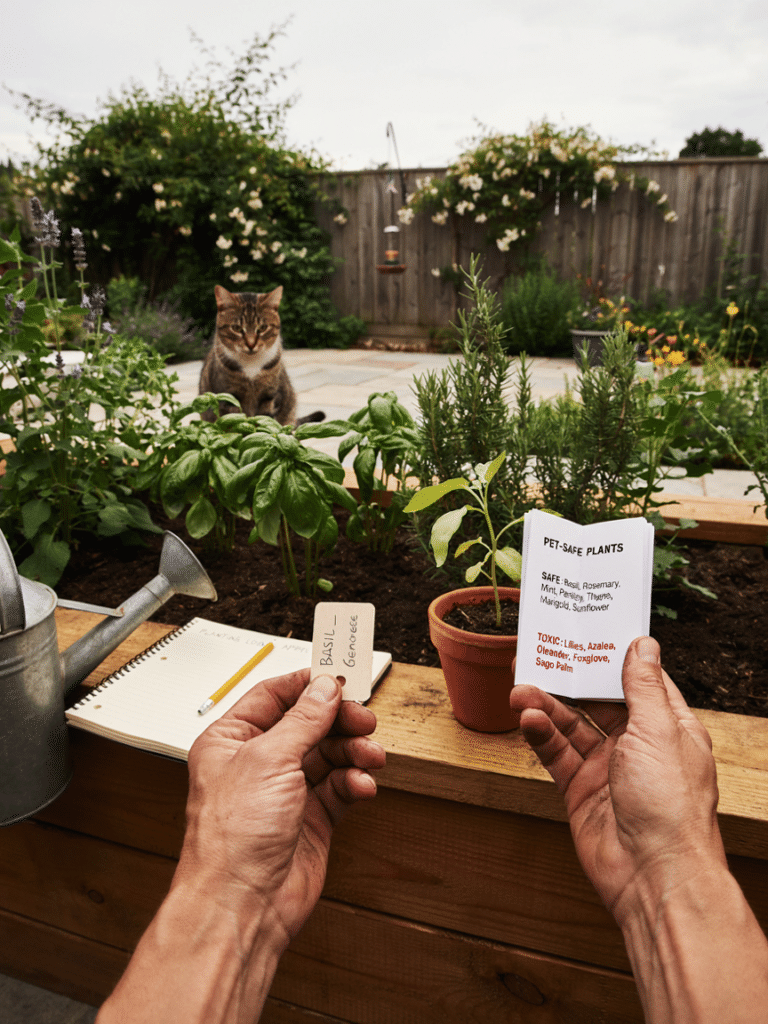
Before you plant anything new, it is worth taking stock of what is already growing in your yard or on your windowsill. Cats are naturally curious, and many will nibble on greenery even if they are well fed, simply out of instinct. Some common garden plants are mildly irritating if eaten, while others are genuinely dangerous, so this step matters more than most new cat owners realize.
Common Plants to Avoid
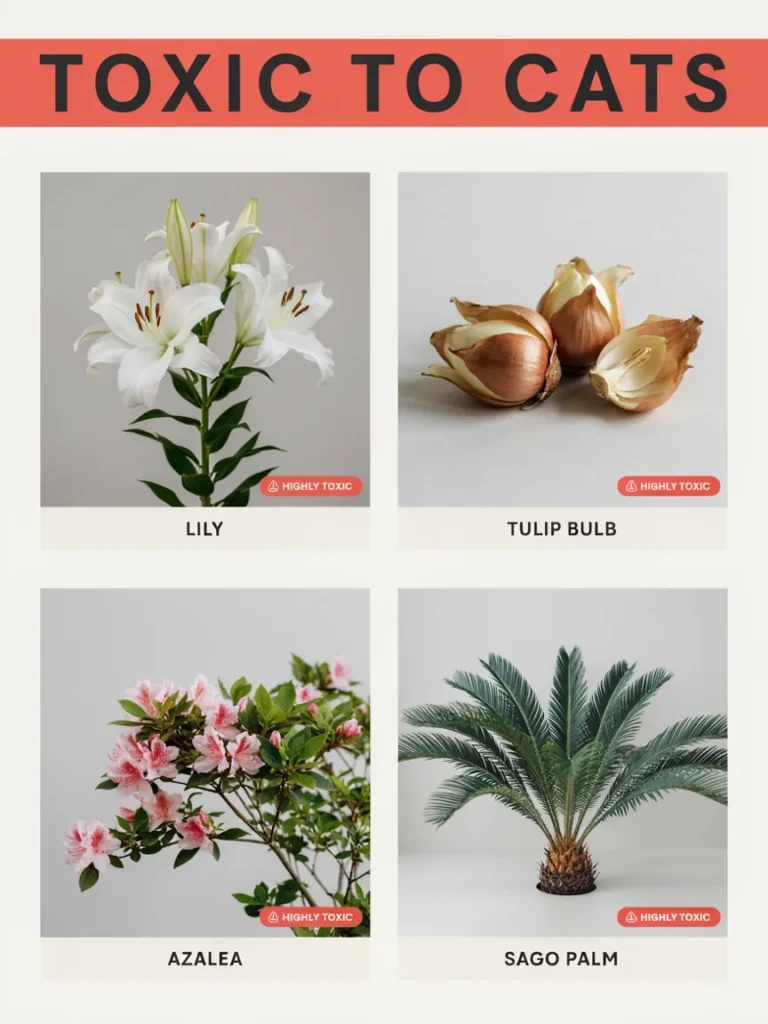
Several popular garden and houseplants are toxic to cats and should be removed or kept well out of reach. Lilies are especially dangerous, since even small amounts of pollen can cause kidney failure in cats. Other plants to watch for include tulip and daffodil bulbs, azaleas, sago palms, oleander, and certain types of ivy. If you already have these growing, you do not necessarily need to tear out your whole garden, but you should fence off the area or keep your cat indoors while those plants are in bloom.
Cat Friendly Plants Worth Growing
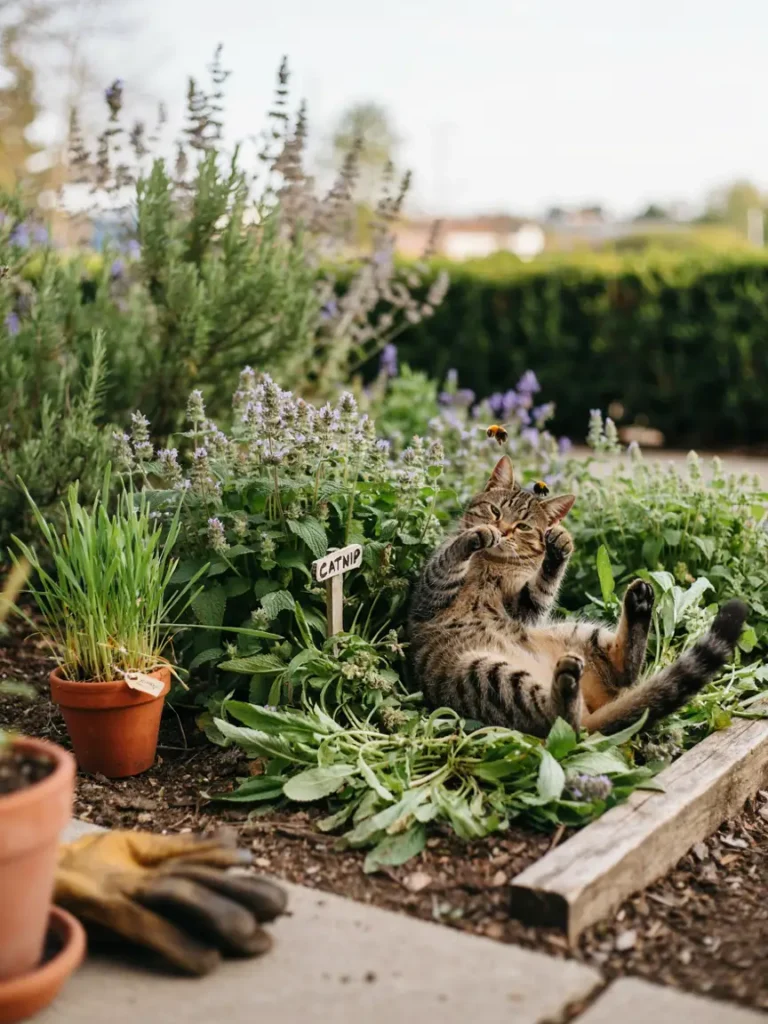
The good news is that there are plenty of safe, even beneficial, plants you can grow instead. Catnip and cat grass are the obvious starting points, and both are easy to grow from seed in a small pot or a dedicated garden bed. Cat grass, usually a blend of wheat, oat, or barley grass, gives cats something safe to chew on and can even help with digestion. Catnip has the bonus of triggering that famous happy, playful reaction in many cats, though not all cats respond to it.
Beyond those two staples, herbs like valerian, silver vine, and spider plants are generally considered safe and often enjoyed by cats. Many gardeners like to set aside a small dedicated bed or a few containers specifically for their cat, separate from the rest of the garden, which makes it easier to keep an eye on what your cat is actually eating.
Building an Outdoor Cat Gardening Space
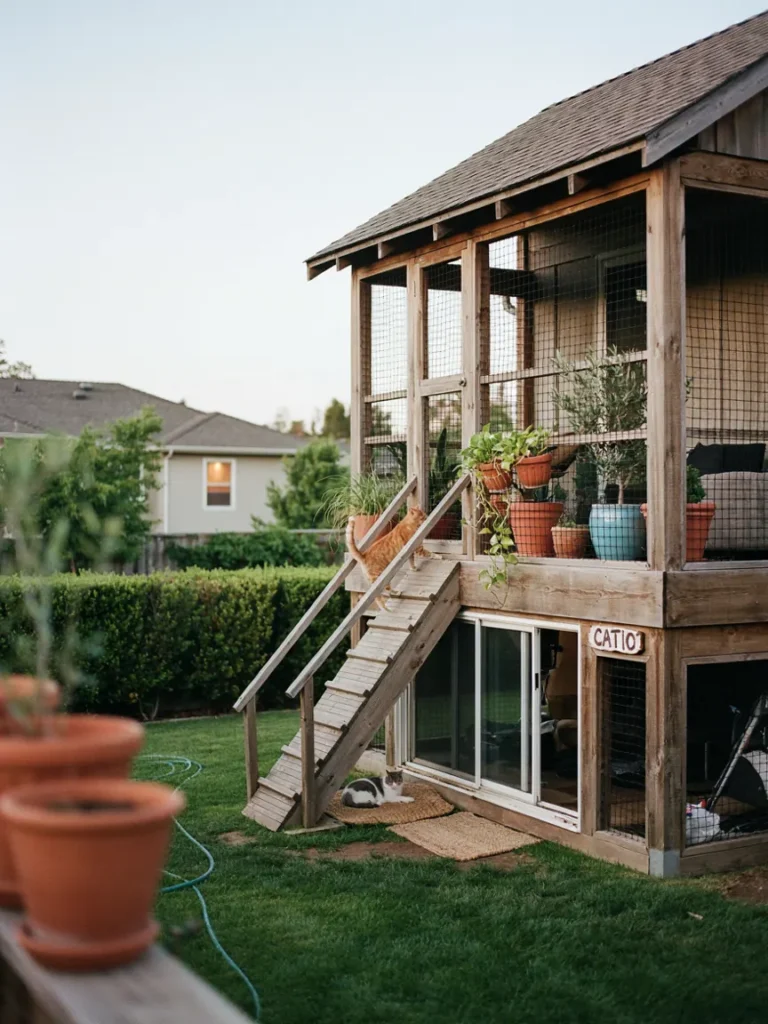
Once you know what to plant, the next step is thinking about how your cat will actually access and enjoy the space. This is where the physical setup of your garden becomes just as important as your plant choices.
Catios and Enclosed Garden Areas
A catio, short for cat patio, is an enclosed outdoor structure that lets your cat experience fresh air, sunshine, and garden smells without the risks of roaming free, such as traffic, predators, or toxic plants elsewhere in the neighborhood. Catios range from simple window mounted boxes to elaborate, tunnel connected structures that wind through an entire backyard.
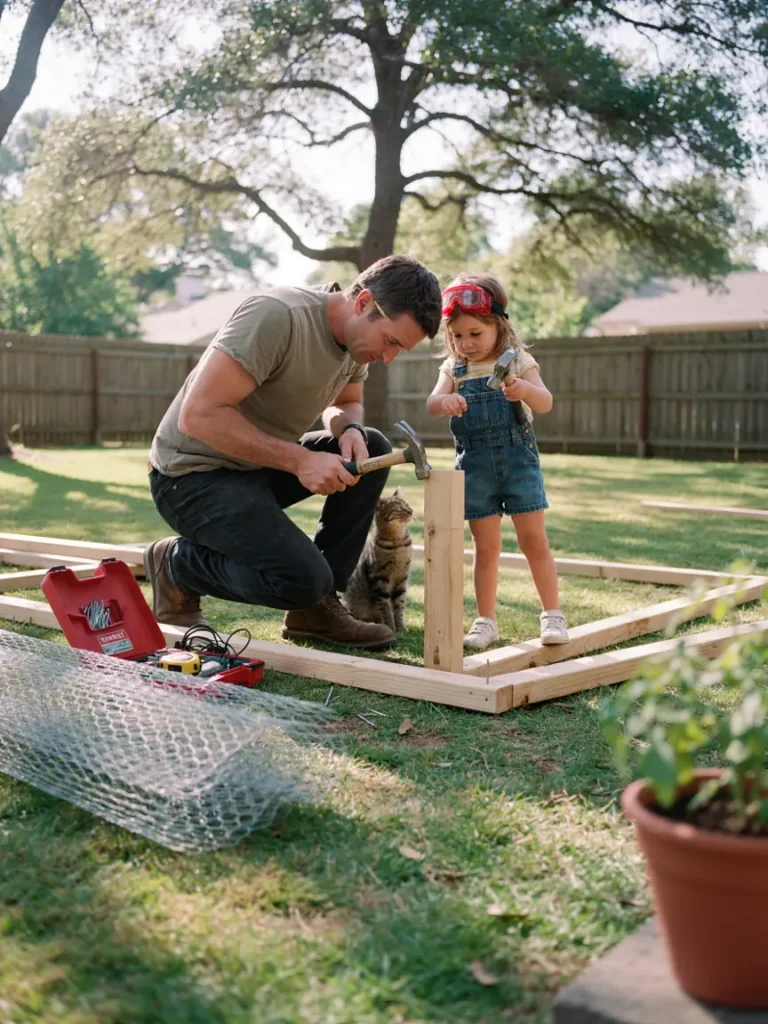
Building one is a great project for family gardening, since it usually involves basic carpentry, some mesh or hardware cloth for the walls, and a bit of planning around cat friendly plants inside. A gardening dad and his kids might spend a weekend framing out a simple structure, while a more experienced guy gardening solo might take on something bigger with multiple viewing platforms and ramps.
Safe Garden Fencing and Boundaries
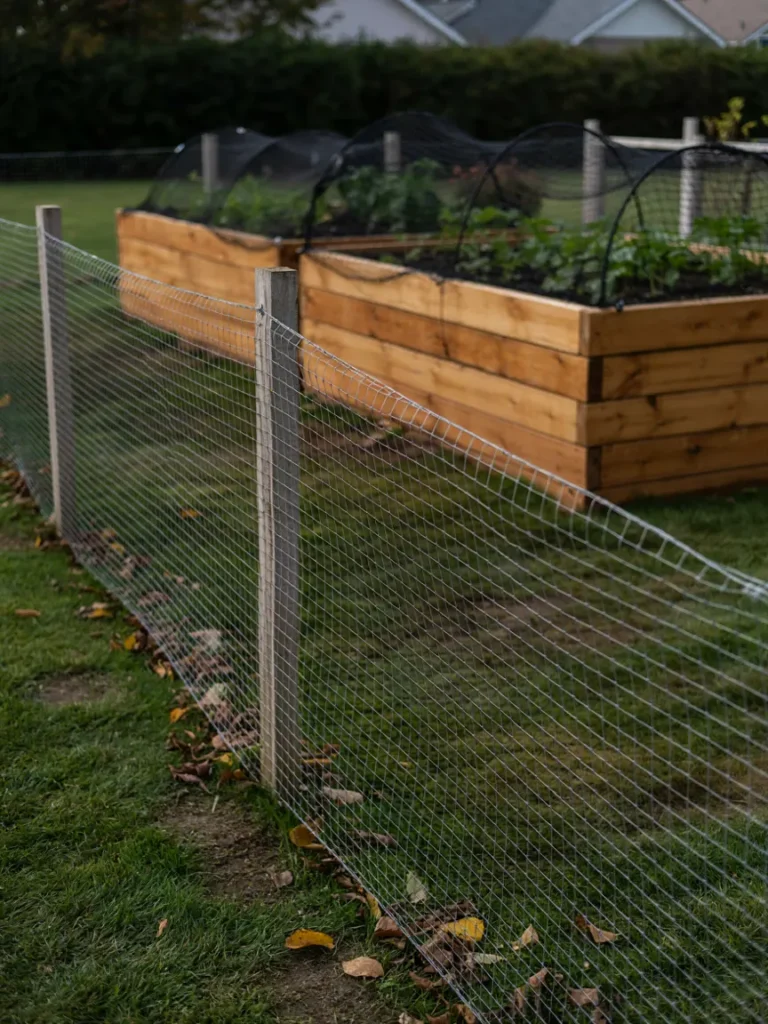
If a full catio is not realistic for your space or budget, simple boundaries can still make a big difference. Cat proof fencing, angled inward at the top, can help keep your cat contained within a garden area without needing a full enclosure. Raised beds with mesh covers protect young seedlings from curious paws while still letting your cat wander the rest of the yard. Even something as simple as a designated sandy digging patch, away from your vegetable beds, can redirect natural digging behavior somewhere safe and appropriate.
Indoor Cat Gardening for Small Spaces
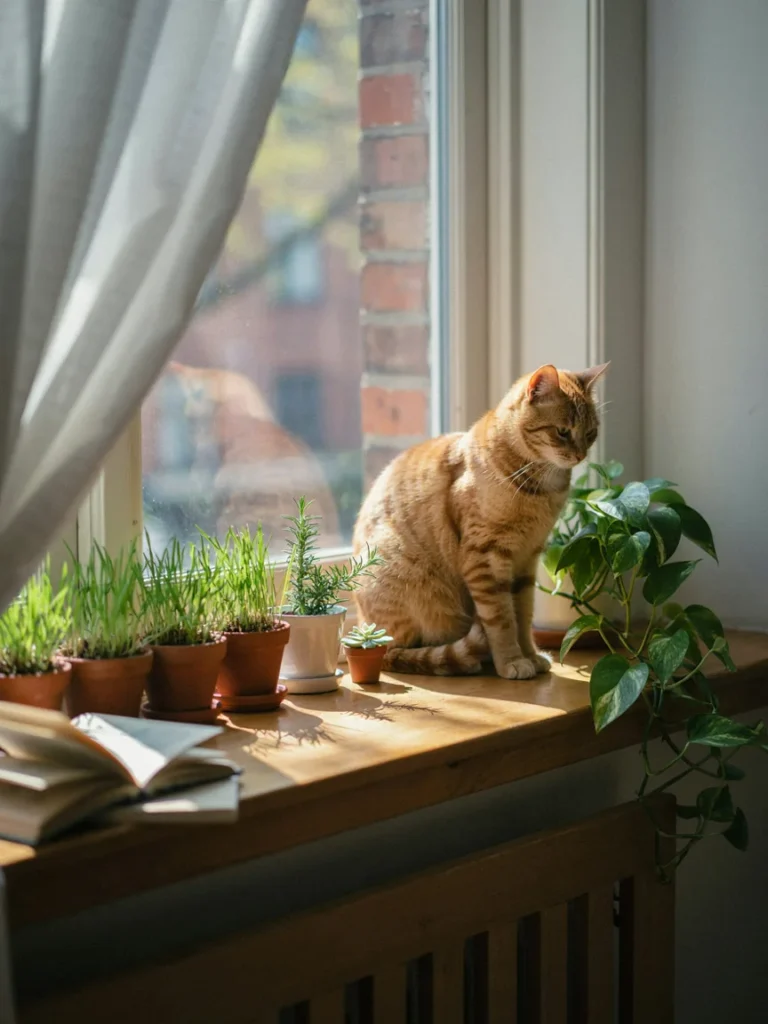
Not everyone has a yard, and that is perfectly fine. Indoor cat gardening has become especially popular among apartment dwellers who still want to give their cats a taste of the outdoors.
Windowsill Gardens
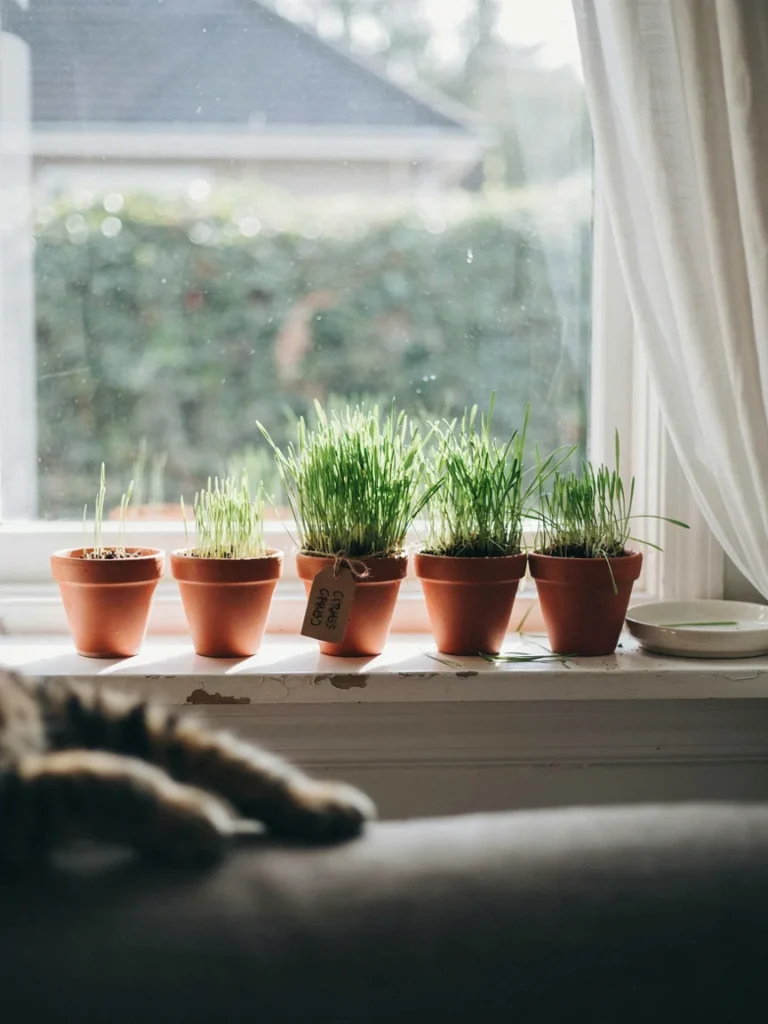
A sunny windowsill is often all you need. Small pots of cat grass, wheatgrass, or catnip can sit right at cat height, giving your cat something to sniff and nibble throughout the day. Many gardening people find that rotating two or three pots, letting one regrow while the cat works through another, keeps a steady supply going without much effort. This kind of setup is popular among people gardening in small city apartments who still want their cat to have some greenery to interact with.
Vertical Gardens and Cat Trees Combined
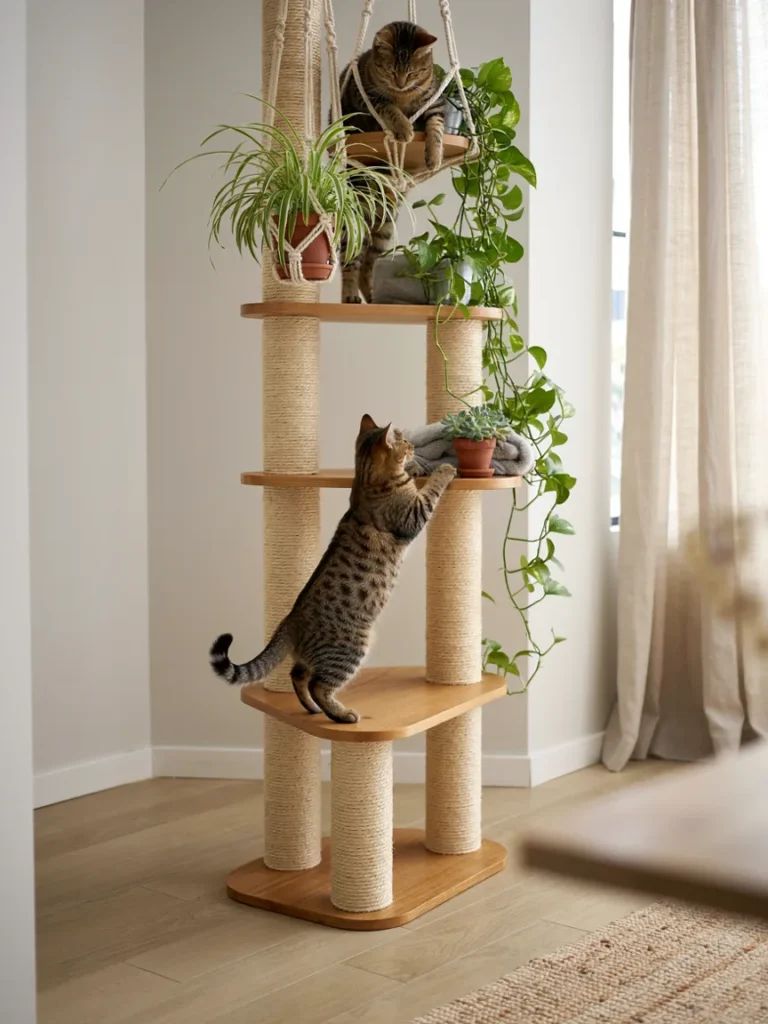
For those with a bit more space, combining a vertical garden shelf with a cat tree can create an engaging multi level environment. Cats naturally like height, and pairing climbing platforms with trailing, cat safe plants like spider plants gives them both physical enrichment and something interesting to smell and bat at. This setup works well for gardening hands of any experience level, since most of the plants involved are low maintenance and forgiving of occasional cat interference.
Cat Gardening as a Family and Multigenerational Activity
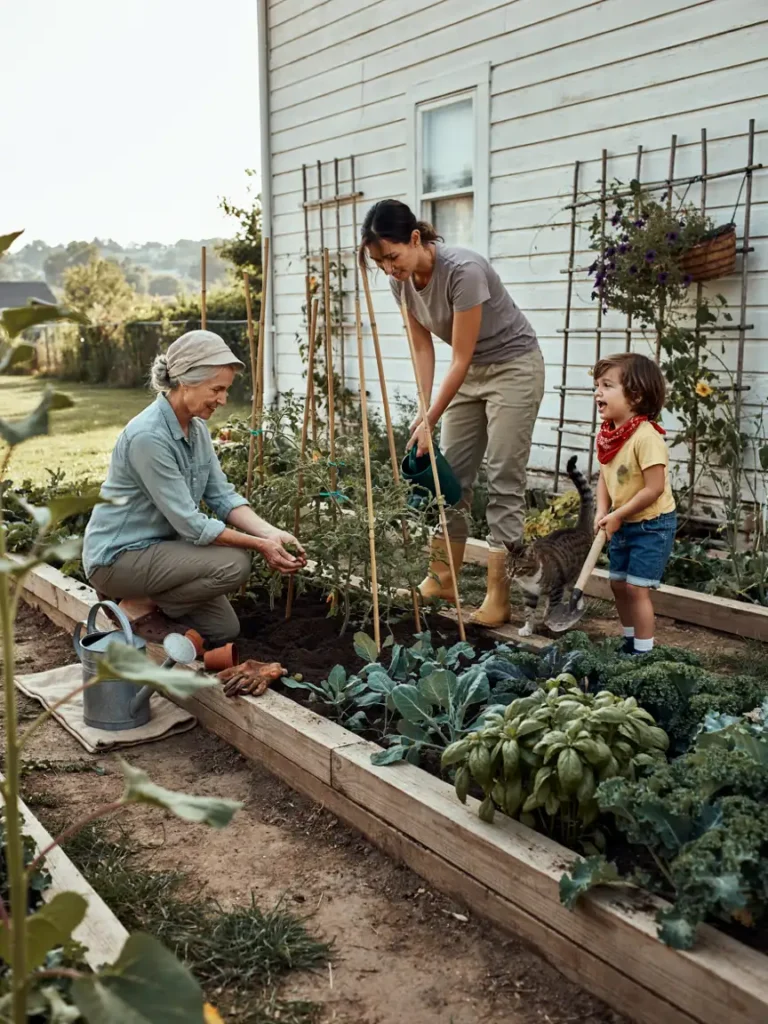
One of the most rewarding aspects of cat gardening is how naturally it brings different generations together. Unlike some hobbies that skew toward a particular age group, tending a garden with a cat in mind tends to appeal to almost everyone in a household.
Gardening With Kids and Grandparents Together
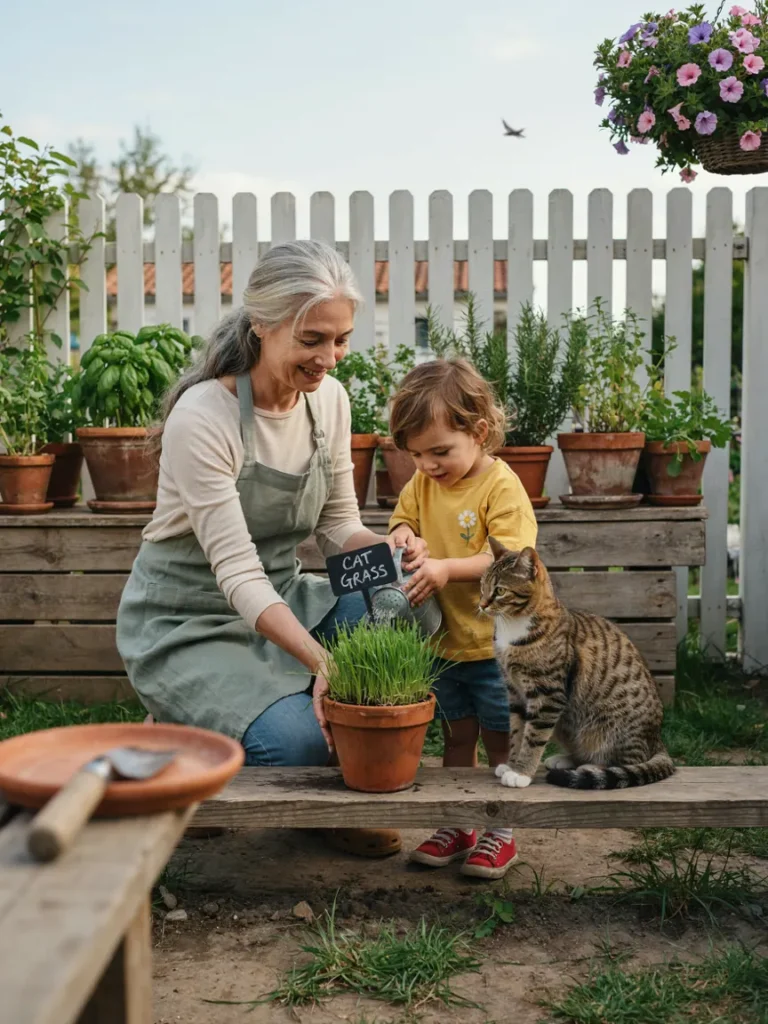
Family gardening projects built around a cat give children a hands on lesson in responsibility and plant care, while giving grandparents a low impact way to stay involved and active. A gardening grandma might take the lead on choosing plant varieties, while grandchildren handle watering duties and check on the cat grass daily to see how much it has grown. These small routines build real connection over time, and they give kids an early, gentle introduction to gardening skills they will carry into adulthood.
A Hobby That Welcomes Everyone

Cat gardening does not require any particular skill set, physical ability, or gardening background, which is part of why it has such broad appeal. A black girl gardening on her first apartment balcony, a black woman gardening in a community garden plot, an old man gardening in his backyard of forty years, and a young gardening mom squeezing in ten minutes between errands are all doing the same fundamental thing: creating a small, safe, green space that benefits both themselves and their cat. The specific tools, plants, and setups will look different for each person, but the underlying activity, and its benefits, remain consistent.
The Wellness Benefits of Cat Gardening
Beyond the practical side of safe plants and catios, cat gardening offers real wellness benefits, both for cats and for the humans tending the garden.
Benefits for Your Cat
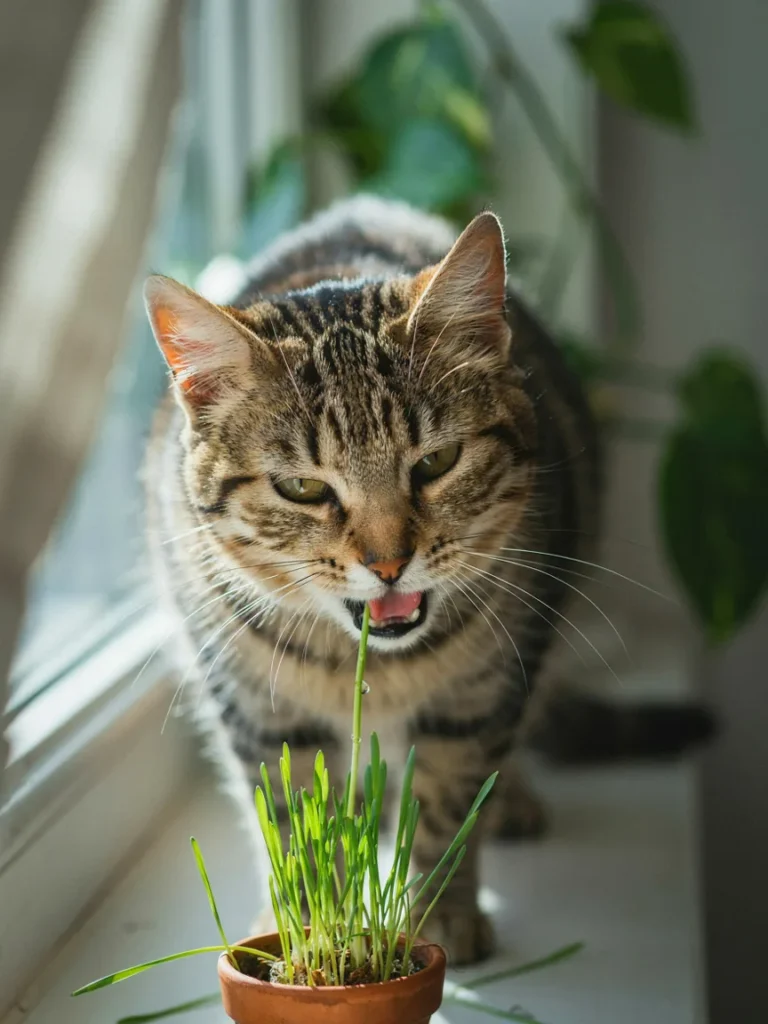
Access to safe greenery and outdoor stimulation, even in a controlled catio or a windowsill pot, can reduce stress and boredom in indoor cats. Chewing on cat grass may aid digestion and help cats pass hairballs more easily. The mental stimulation of new smells, textures, and occasional insects passing through a screened enclosure also provides valuable enrichment that indoor life alone often lacks.
Benefits for the Gardener
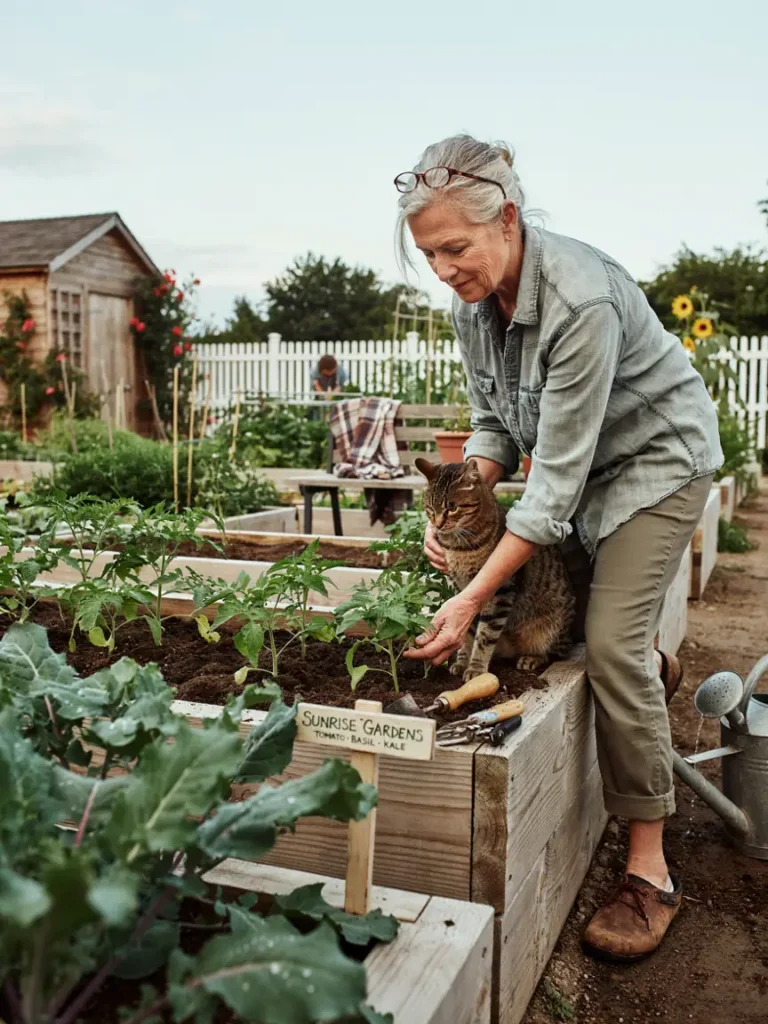
The benefits flow both ways. Gardening in general has been widely recognized for reducing stress, improving mood, and providing light physical activity, and adding a cat to the equation often increases the amount of time people spend outside tending their plants. This is particularly true in retirement gardening, where many older adults report that caring for both a garden and a pet gives their day more structure and purpose. Spending time with gardening hands in the soil, whether young or old, has a grounding, meditative quality that many people find genuinely therapeutic.
There is also a social element worth mentioning. Cat gardening tends to spark conversation, whether that is a neighbor asking about your catio design or a fellow gardening person at a local nursery recommending a cat safe alternative to a plant you had your eye on. These small exchanges build community around a hobby that can otherwise feel solitary, and they often lead to swapped cuttings, shared seed packets, and useful tips passed between gardening people who might never have connected otherwise.
Common Cat Gardening Mistakes and How to Avoid Them
Even experienced gardeners can make a few avoidable mistakes when they start factoring their cat into the equation.
Assuming a Plant Is Safe Without Checking
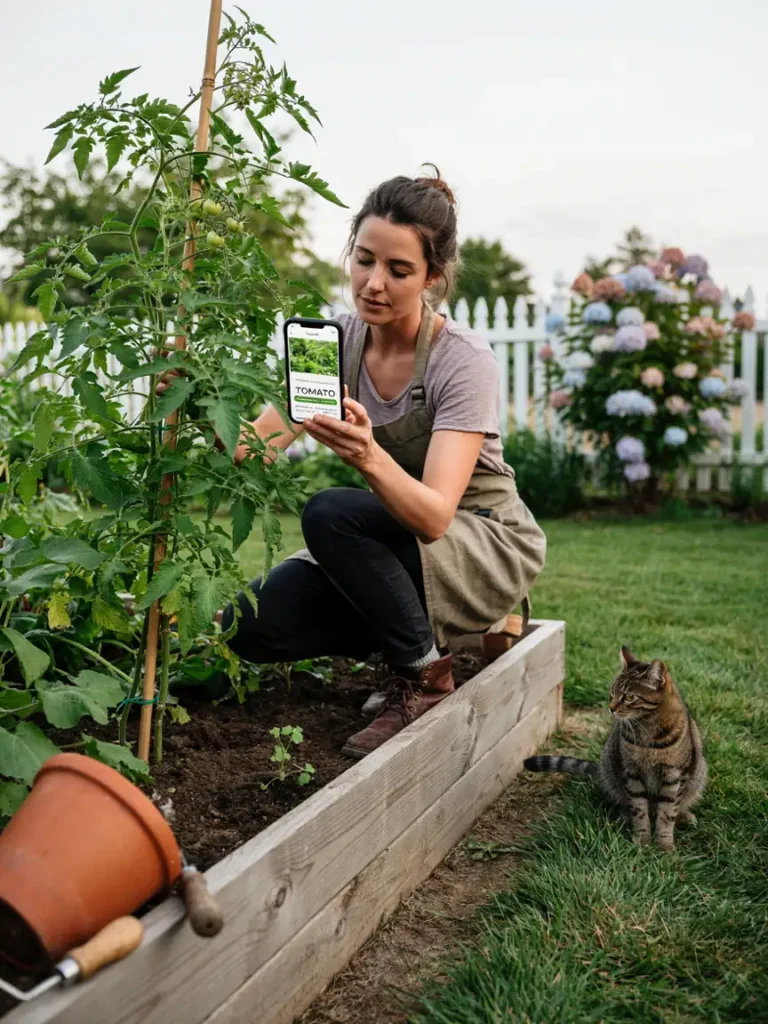
It is easy to assume that because a plant is common in gardens or sold at a regular nursery, it must be safe for pets. This is not always true. Always look up a specific plant by its full name before adding it near an area your cat can access, rather than relying on general assumptions.
Skipping Secure Fencing or Catio Construction
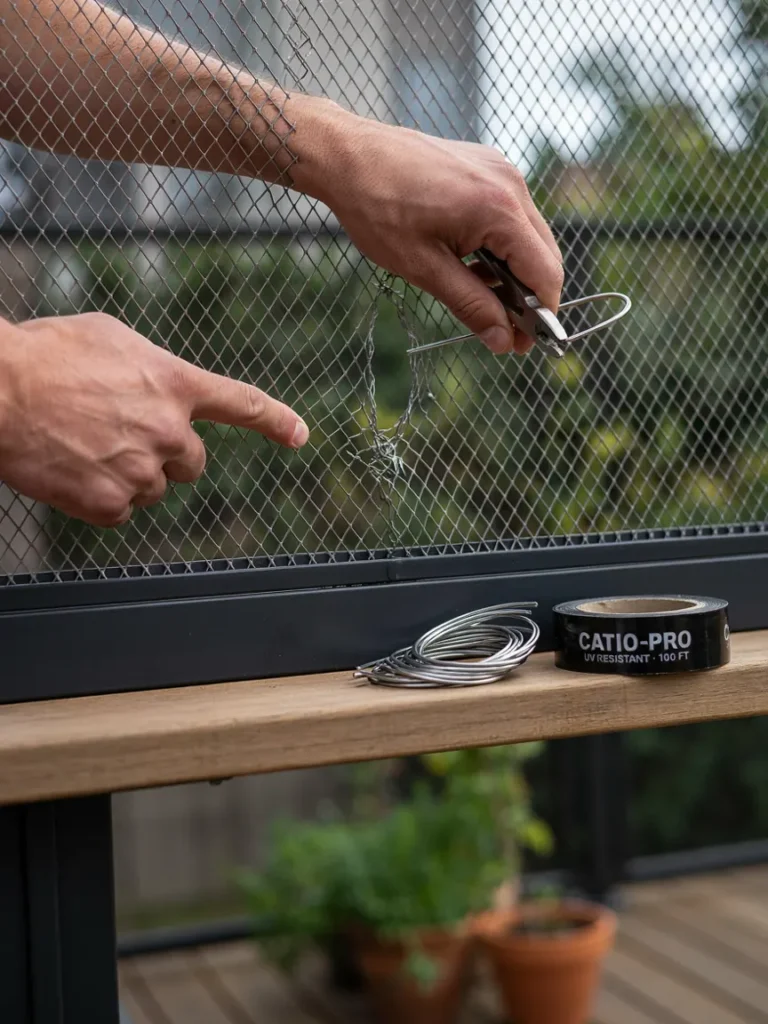
A poorly built catio or gap in fencing can allow a determined cat to escape, which defeats the entire purpose of building a safe outdoor space. Double check mesh sizing, secure all seams, and inspect the structure periodically for wear, especially if you live in an area with fluctuating weather.
Forgetting Ongoing Maintenance
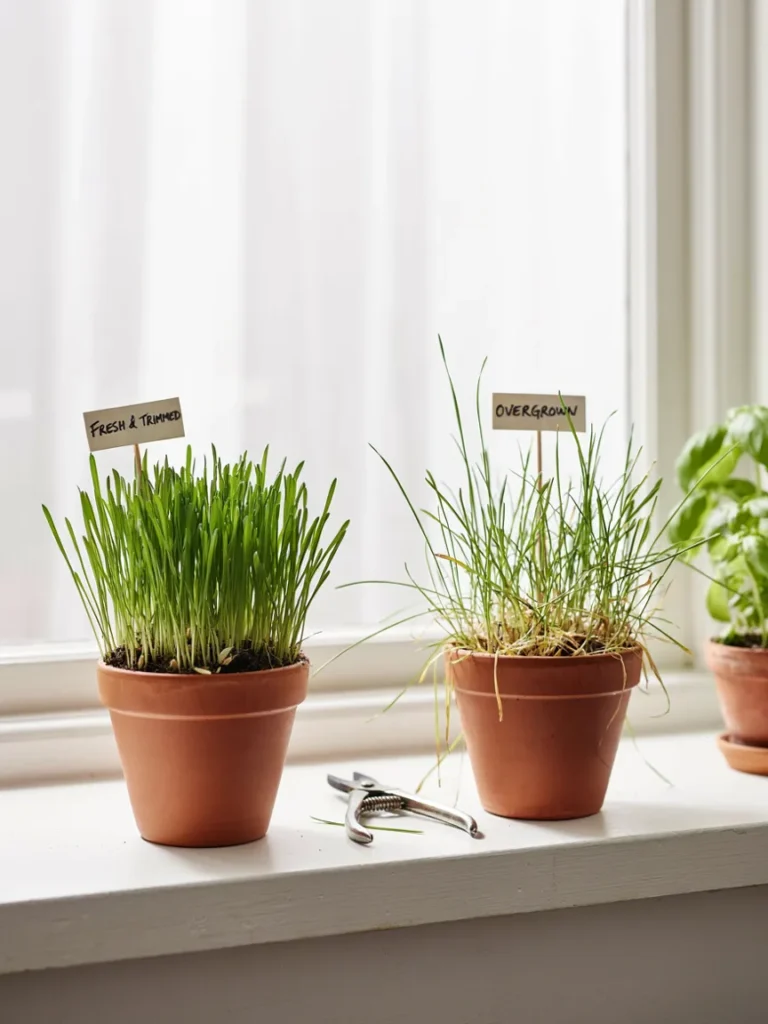
Cat grass and catnip both grow quickly and can become overgrown or leggy if left unattended. Set a simple weekly reminder to check on cat specific plants, trim as needed, and replant pots as they get worn down from regular nibbling.
Essential Tools and Supplies for Cat Gardening
Getting started does not require a long shopping list, but a handful of basic supplies will make the process much smoother.
Basic Supplies for Beginners
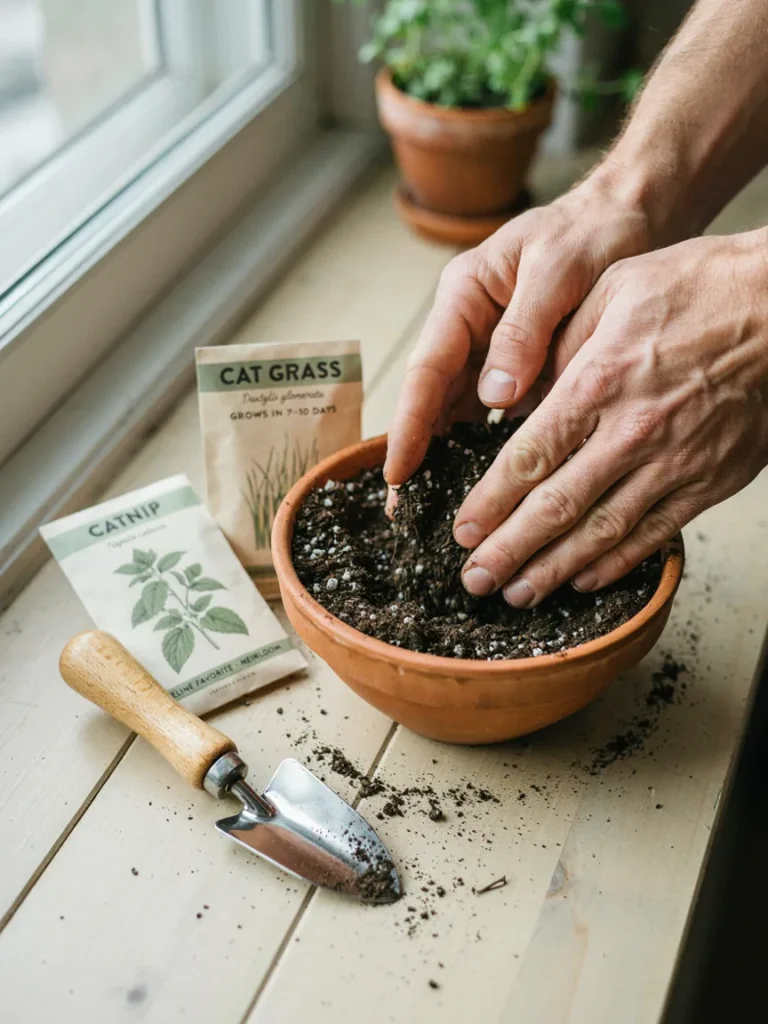
A few shallow pots or containers, a bag of seed starting mix, and a packet each of cat grass and catnip seed are enough to get most people started. If you plan to build any kind of outdoor enclosure, add galvanized hardware cloth, exterior screws, and treated lumber to your list, since these materials hold up far better against weather and repeated scratching than untreated alternatives. A soil moisture meter can also be a helpful, inexpensive tool for beginners who are not yet confident judging watering needs by touch.
Tools That Make the Work Easier
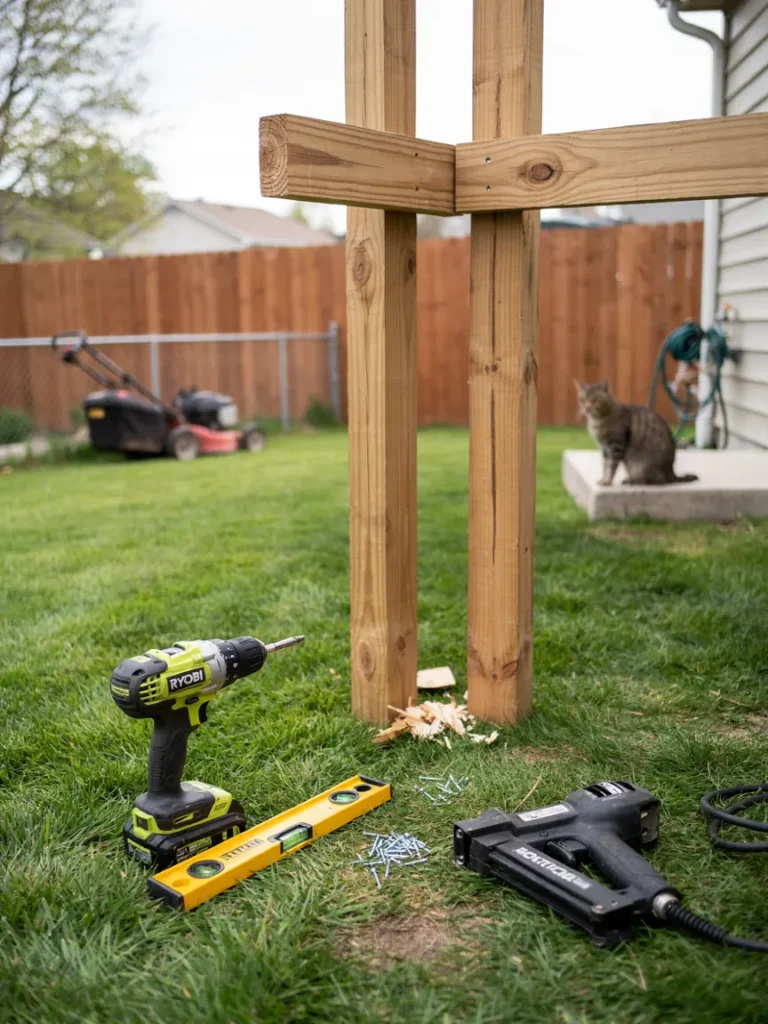
Simple hand tools, a trowel, pruning snips, and a watering can with a narrow spout, cover most day to day cat gardening tasks. For anyone taking on a catio build, a basic drill, a level, and a staple gun for securing mesh will handle the majority of the construction work without requiring specialized equipment. Gardening hands of any skill level can manage these projects with a bit of patience and a willingness to look up a tutorial when needed.
Seasonal Cat Gardening Tips Throughout the Year
Just like any garden, a cat friendly space changes with the seasons, and a bit of planning ahead can keep things running smoothly no matter the time of year.
Spring and Summer Cat Gardening
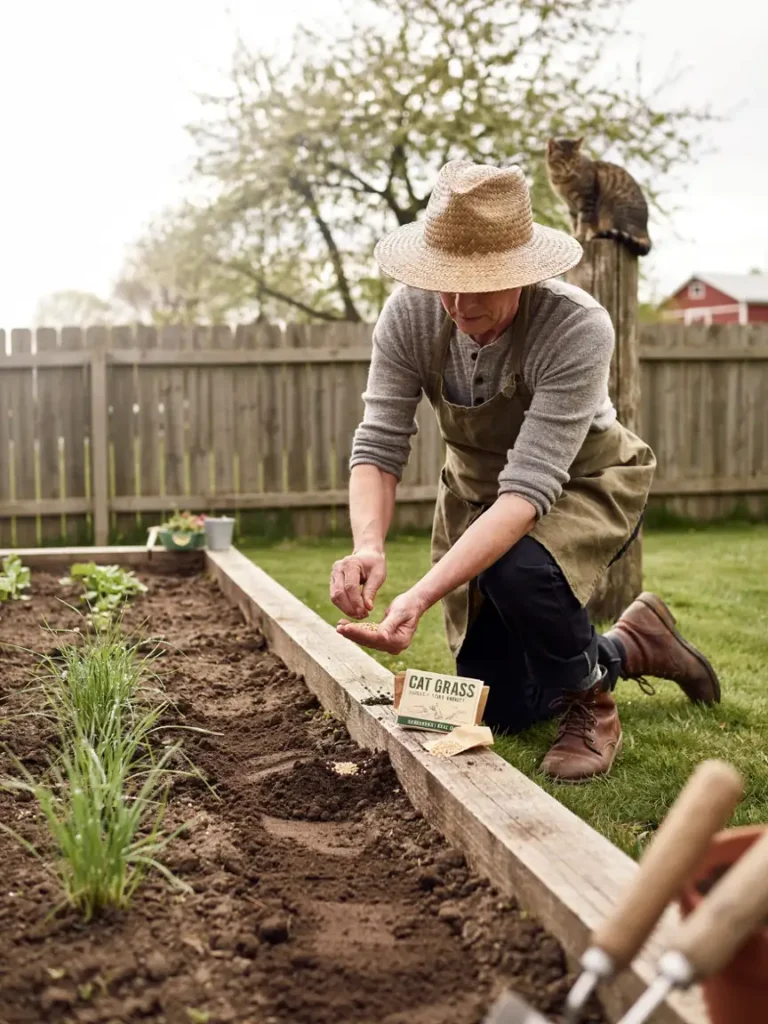
Spring is the best time to start new plantings of cat grass and catnip, since warmer temperatures and longer daylight hours help seeds establish quickly. This is also the season when many toxic garden plants, like lilies and azaleas, come into bloom, so it is worth doing a fresh walk through your yard each spring to check for anything new that might have self seeded or been added by a well meaning neighbor. Summer heat can dry out container plants fast, so cat grass pots in particular may need daily watering to stay lush and appealing rather than turning brown and unappetizing.
Fall and Winter Cat Gardening
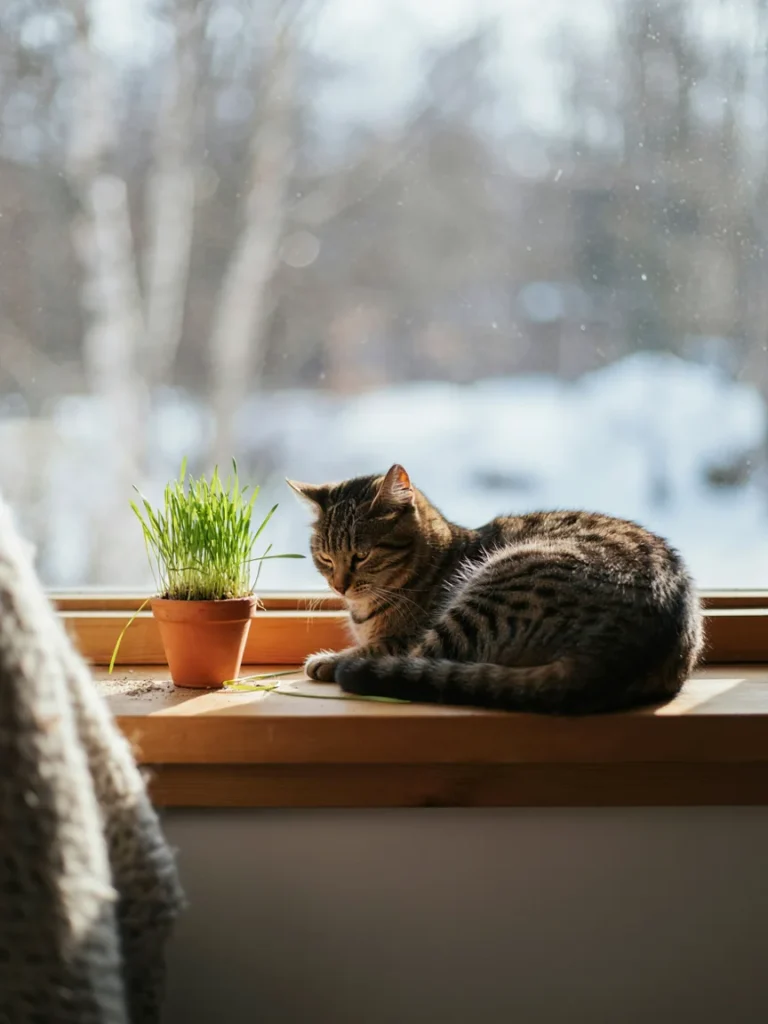
As temperatures drop, outdoor catios need a quick inspection for any gaps or weak points before winter weather sets in, since freezing and thawing cycles can loosen mesh or wood joints over time. Indoors, this is the season when windowsill cat gardening really shines, since a pot of cat grass on a bright windowsill can give your cat a green fix even when the yard outside is covered in snow. Many gardening people find that keeping a small rotation of indoor pots going through the colder months helps prevent cats from turning to houseplants that may not be safe.
Budget Friendly Cat Gardening Ideas
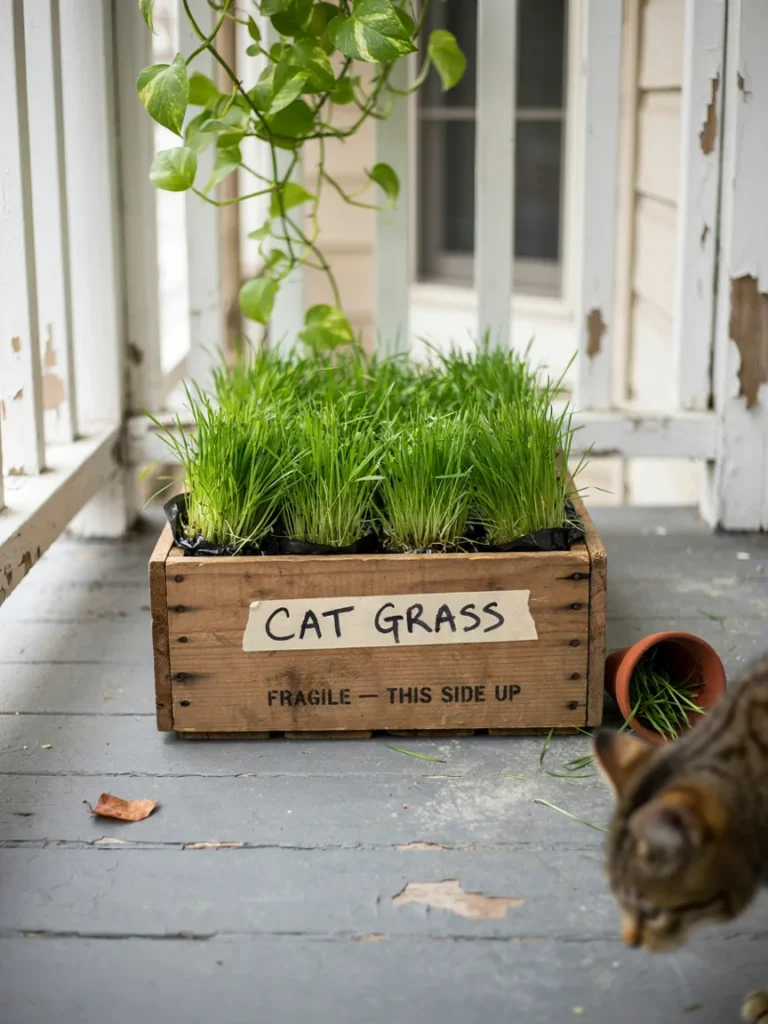
Cat gardening does not need to be an expensive undertaking. Many of the most effective setups rely on simple, low cost materials and a bit of creativity.
Repurposing Household Items
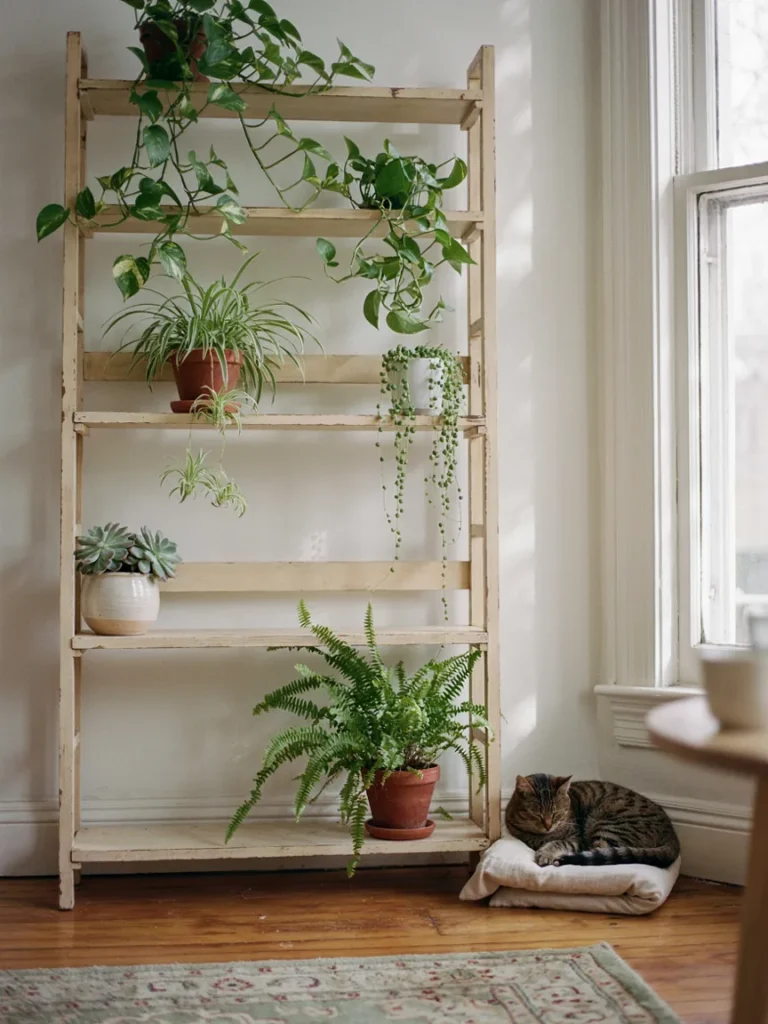
Old wooden crates, unused dresser drawers, or leftover fencing scraps can often be turned into simple raised beds or small catio frames with minimal additional cost. A gardening dad handy with basic tools can often build a functional catio frame from reclaimed lumber in a single afternoon, while a gardening mom might repurpose a spare bookshelf into a tiered plant stand for cat grass and trailing greenery.
Starting From Seed Instead of Buying Established Plants
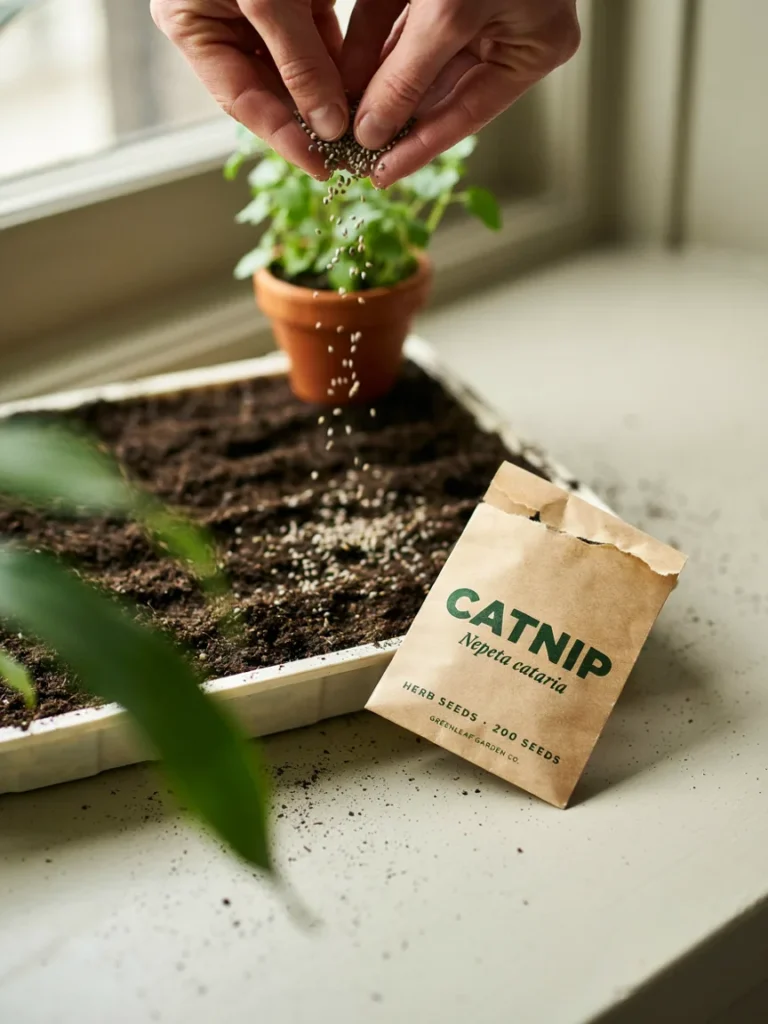
Cat grass and catnip are both inexpensive and easy to grow from seed, often costing just a few dollars for a packet that will produce multiple rounds of plants over a season. This is a far more economical approach than repeatedly buying pre grown pots from a pet store, and it gives you more control over exactly what your cat is eating. Saving seeds from a healthy catnip plant at the end of the season, then replanting the following spring, can make your cat gardening setup almost entirely self sustaining over time.
Frequently Asked Questions About Cat Gardening
What is cat gardening exactly?
Cat gardening means designing your garden, whether indoors or outdoors, with your cat’s safety and enrichment in mind. This includes choosing non toxic plants, growing cat grass or catnip, and sometimes building enclosed spaces like catios so your cat can enjoy the outdoors safely.
Which plants are safe to grow in a cat gardening setup?
Cat grass, catnip, silver vine, valerian, and spider plants are generally considered safe and often enjoyed by cats. Always confirm the specific species before planting, since safety can vary between closely related plant varieties.
Do I need a big backyard to start cat gardening?
No. Many people practice cat gardening successfully in small apartments using a few pots of cat grass or catnip on a sunny windowsill. A yard opens up options like catios and cat safe garden beds, but it is not required to get started.
Is cat gardening a good family activity?
Yes. Cat gardening tends to appeal across age groups, making it a natural family project. Kids can help with planting and watering, while grandparents often enjoy the lower impact, steady pace of tending a garden alongside a family pet.
How do I know if my current garden plants are dangerous to my cat?
Look up each plant by its specific name using a trusted pet safety resource, since common names can be misleading. If you find a toxic plant already growing, either remove it or fence off that section of the garden until you can relocate it safely.
Conclusion
Cat gardening is less about following a strict set of rules and more about paying closer attention to the small ways your garden and your cat’s world overlap. Whether that means planting a pot of cat grass on a windowsill, building a weekend catio project with the whole family, or simply double checking a plant label before you bring it home, every step makes your garden a little safer and more enjoyable for everyone who spends time in it, humans and cats alike.
Start small if you need to. Pick one safe plant, find one sunny corner, and build from there. Before long, you may find that your cat has become one of your most enthusiastic, if slightly mischievous, gardening companions.