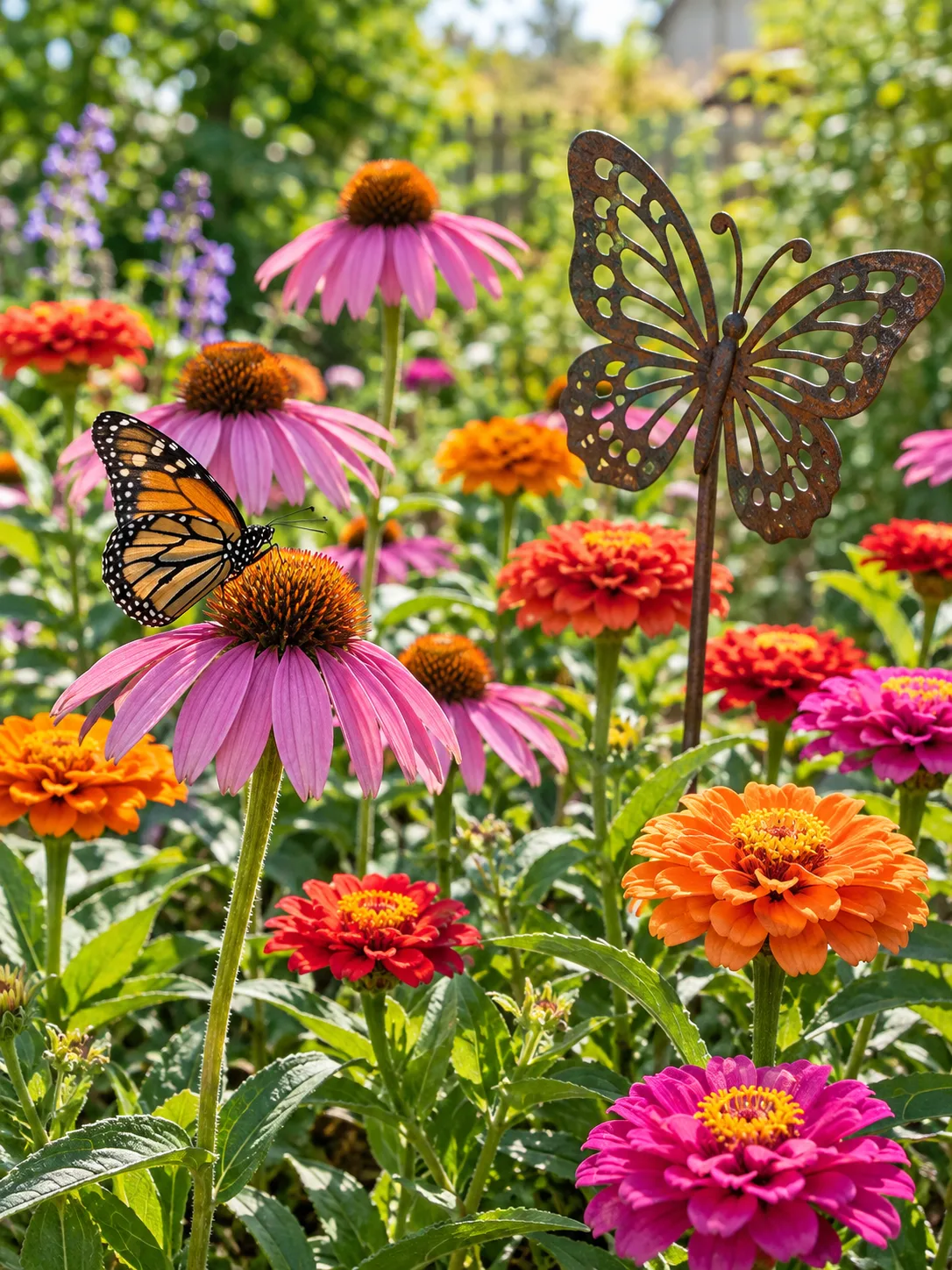
If you have ever watched a single butterfly drift through your yard and wished there were ten more, you already understand the appeal of butterfly garden decor. This is not just about hanging a few decorative butterflies on a fence, although that has its place too.
It is about creating a space that looks beautiful and actually draws real butterflies in, season after season. This guide walks through how to combine genuine garden decor butterfly elements, like plant choices and shelter, with the visual, decorative side of styling, so your garden ends up both functional and eye catching.
Whether you are starting a garden from scratch or adding a butterfly focused corner to an existing yard, the same basic principles apply. You need the right plants, some thoughtful decor choices, and a bit of patience while everything establishes itself.
None of this requires advanced gardening knowledge. It mostly comes down to understanding what butterflies actually need and layering decor on top of that foundation rather than treating decor as the whole plan.
By the end of this guide, you will know which plants matter most, how to use decorative elements without accidentally working against your goal, how water features and color choices play into attracting real butterflies, and how to keep the space looking good and functioning well throughout the year.
What Butterfly Garden Decor Actually Means
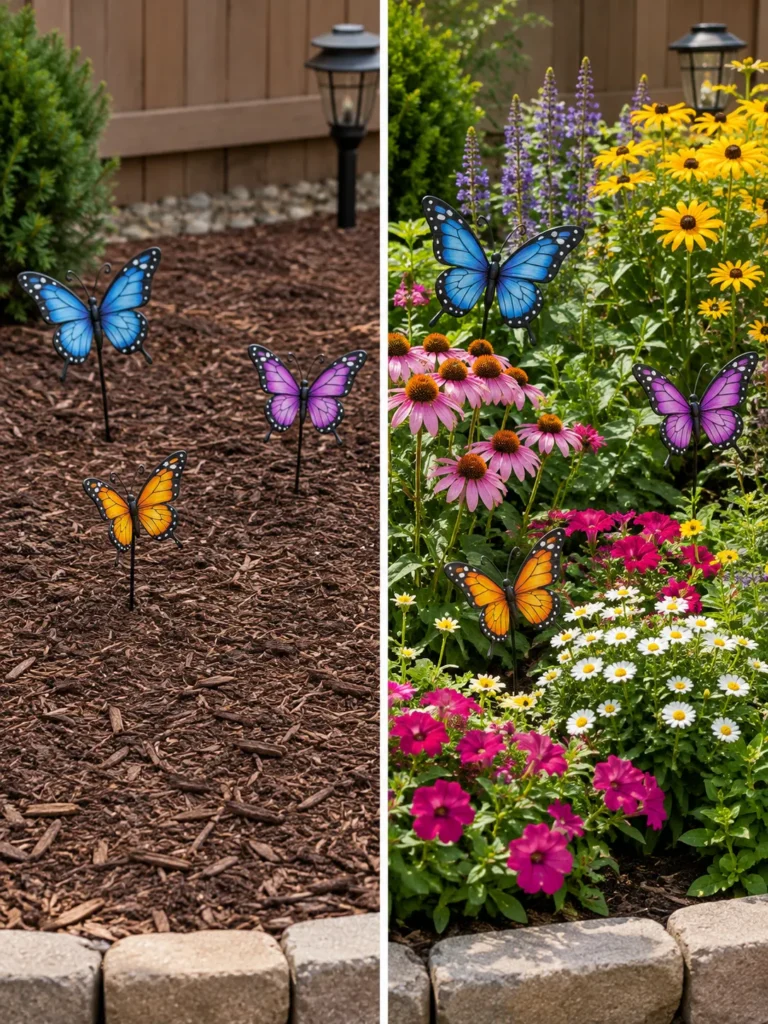
Butterfly garden decor covers two overlapping goals that people often treat as separate when they really should not be. The first goal is attracting real, live butterflies through plant choices, water sources, and shelter. A concrete garden decor guide can also help you choose durable decorative elements that complement the butterfly friendly space without taking attention away from its natural features.
The second goal is the visual styling piece, things like garden statues, wind chimes, decorative stakes, and butterfly shaped ornaments that make the space feel intentional and pretty even when no butterflies happen to be visible at that exact moment.
The strongest butterfly gardens treat these two goals as one project instead of two separate ones. A garden covered in decorative butterfly ornaments but planted with the wrong flowers will look cute but will not actually attract many real butterflies. On the other hand, a garden planted perfectly for butterflies but with zero styling can feel a little plain when you are just looking at foliage and stems without any decorative anchor points.
Getting both pieces right means your garden works on two levels. It functions as genuine habitat, and it looks good enough to enjoy even during the parts of the season when butterfly activity naturally slows down.
Why Real Butterflies Should Come First
It might seem backwards in an article about decor, but the plant and habitat side of things needs to come before the decorative side. Decorations look far more meaningful in a space that is already buzzing with real activity. A decorative butterfly stake next to a thriving patch of milkweed feels like part of a living ecosystem. The same stake sitting alone in a bare patch of mulch just looks like a garden center purchase with nothing behind it.
Setting Realistic Expectations for a New Garden
It helps to know upfront that a brand new butterfly garden will not look fully established in its first few weeks. Plants need time to grow, fill in, and start producing the blooms that actually draw butterflies.
Most gardeners start seeing meaningful butterfly activity within the first full growing season, with the garden really hitting its stride by the second year once perennials are established and host plants have matured. Leaning on decor a bit more heavily in that first season is completely reasonable while you wait for the plants to catch up.
Choosing the Right Plants Before Adding Decor
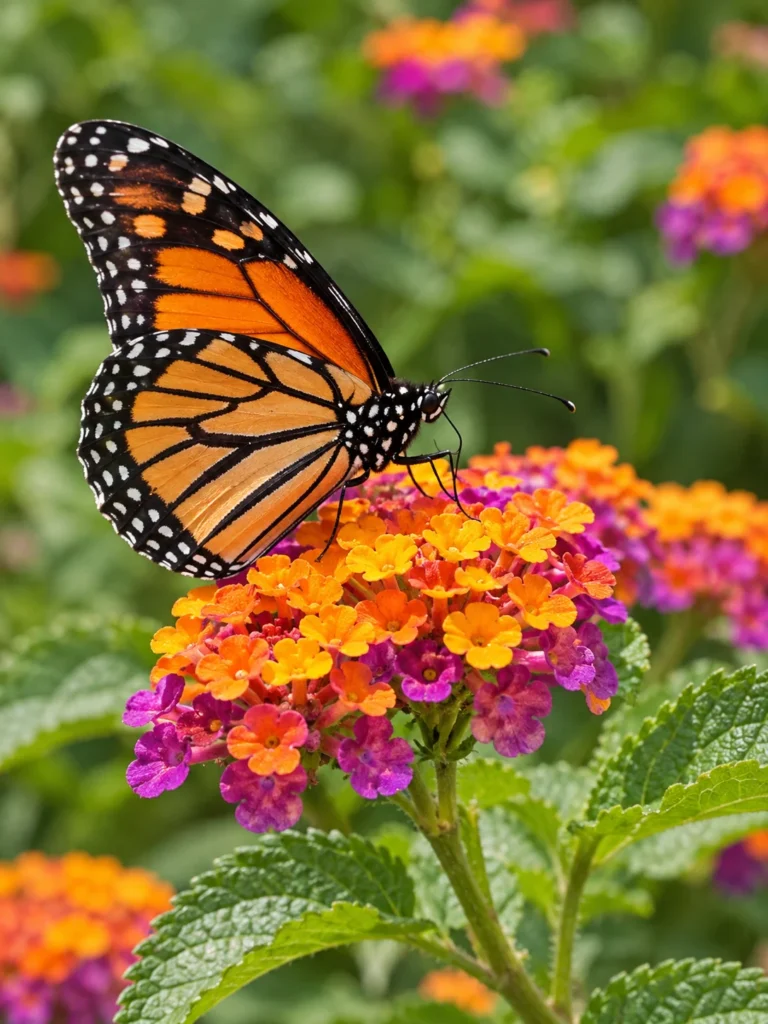
The single most important decision in any butterfly garden is plant selection, and this matters more than any decorative element you will add later. Butterflies need two different types of plants to stick around, nectar plants for adult butterflies to feed on, and host plants where females lay eggs and caterpillars actually eat.
Nectar rich flowers like zinnias, coneflowers, black eyed susans, and butterfly bush provide the food source that draws adult butterflies in from a distance. These plants tend to have flat, open blooms that make it easy for butterflies to land and feed, unlike some deep, tubular flowers that are better suited to hummingbirds.
Host plants are just as important, even though they are easy to overlook. Milkweed is the classic example, since it is the only plant monarch caterpillars can eat. Parsley, dill, and fennel serve a similar role for swallowtail butterflies. Without host plants nearby, you might attract adult butterflies passing through for nectar, but you will never see them stick around long enough to complete a full life cycle in your yard.
Grouping Plants for Maximum Impact
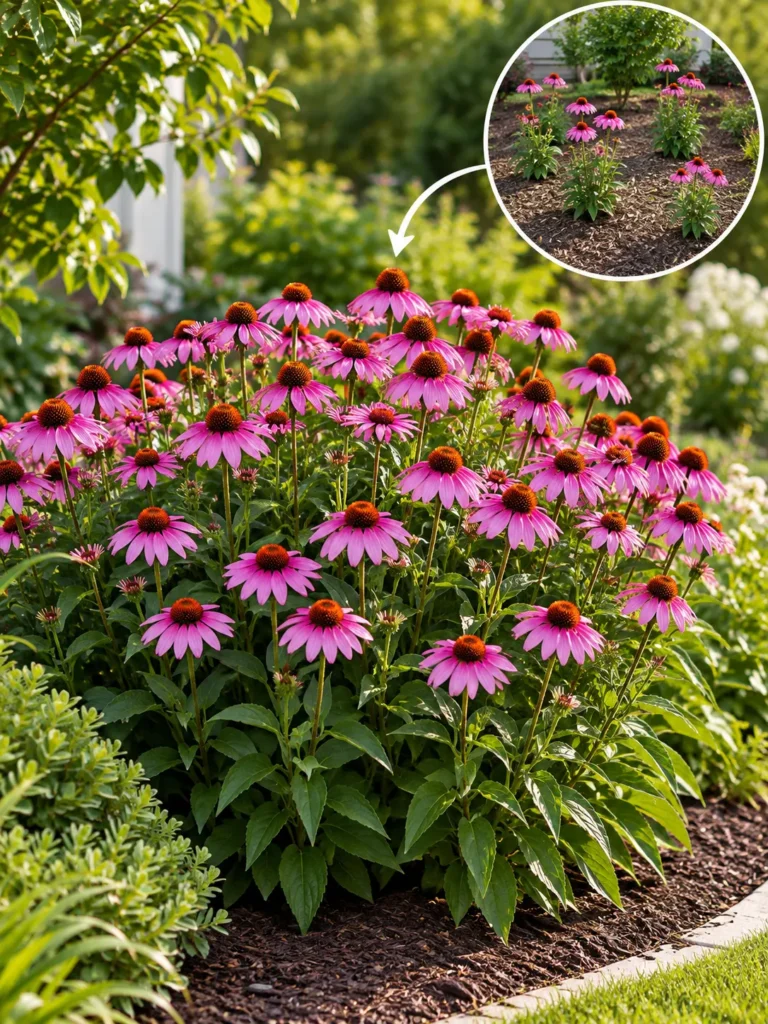
Butterflies are far more likely to notice and visit a dense cluster of the same flower than a few scattered single plants spread across a large area. Planting in groups of at least three to five of the same species creates a stronger visual and scent signal that draws butterflies in from farther away. This grouping approach also happens to look better from a design standpoint, since drifts of color tend to read as more intentional than a scattered mix of single stems.
Matching Plants to Your Local Butterfly Species
Not every host plant works for every region, so it helps to know which butterfly species are common in your area before finalizing a plant list. Milkweed supports monarchs across most of North America, but swallowtail species can vary depending on region, with some favoring parsley and dill while others rely on specific native trees like spicebush or pawpaw.
A quick search for butterfly species common to your state or region, paired with their preferred host plants, ensures you are not planting something that looks nice but does not actually support any local species passing through your yard.
Layering in Garden Decor Butterfly Ornaments
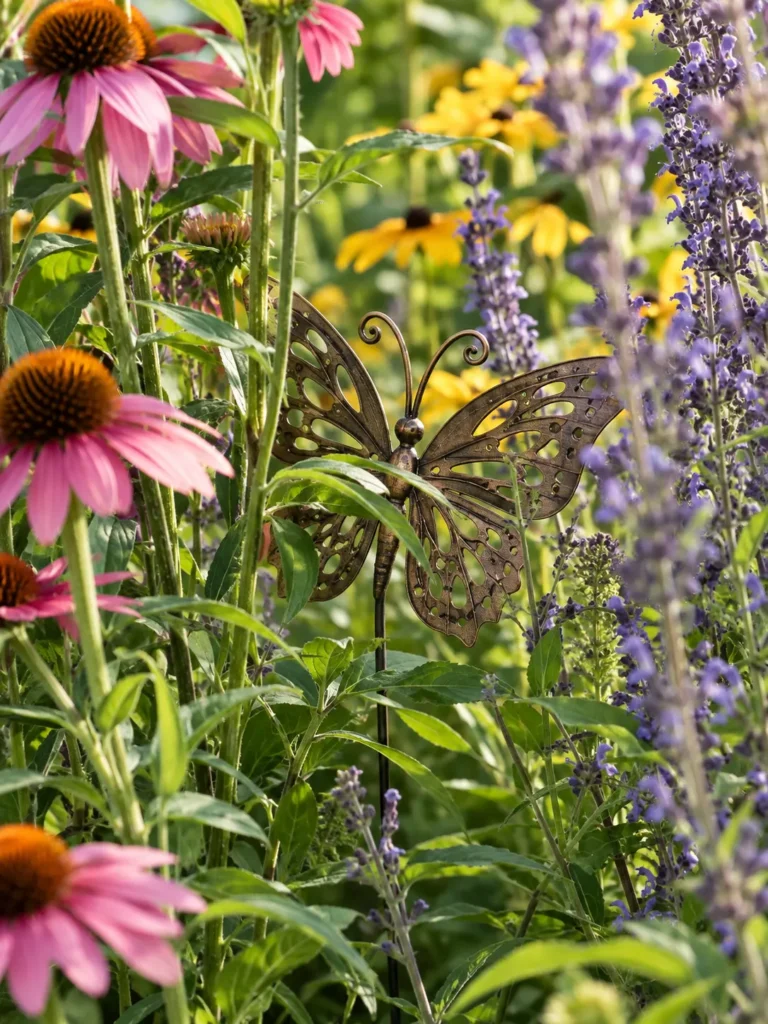
Once your plant foundation is in place, decorative elements can reinforce the theme and add visual interest during quieter moments in the garden. Garden decor butterfly ornaments come in a wide range of styles, from subtle metal stakes to bold, colorful sculptures, so there is room to match almost any garden aesthetic.
Metal butterfly stakes, often made from weather resistant materials like powder coated steel, work well tucked among taller plants where they peek through the foliage rather than standing in open space. This placement makes them feel like a natural extension of the garden instead of an obvious add on.
Wind spinners and kinetic butterfly ornaments add movement to the garden, which is especially nice during times when real butterfly activity is lower, like early spring before plants have fully bloomed. The motion catches the eye in a similar way to actual butterfly flight, keeping the space feeling alive even on a still day.
Garden stakes and small sculptures placed at varying heights throughout a bed create depth, much like layering decor on a shelf indoors. A few low ornaments near the front of a bed, paired with a taller piece toward the back, give the eye multiple points of interest rather than one flat plane of color.
Choosing Weatherproof Materials
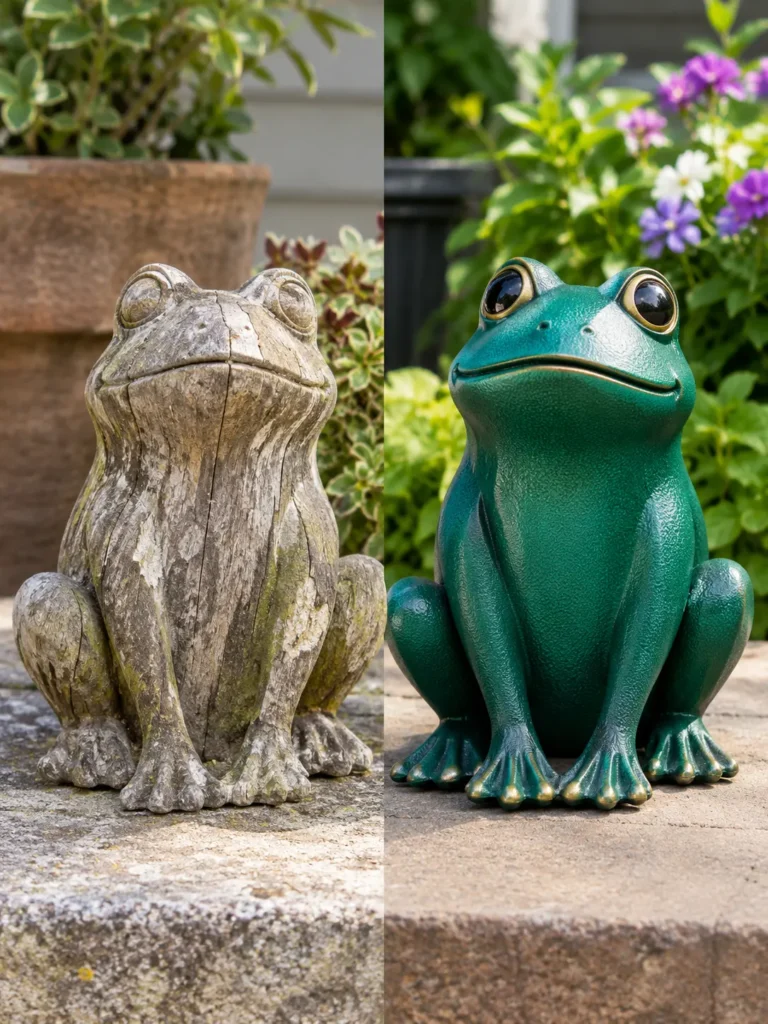
Since butterfly garden decor lives outside year round in most climates, material choice matters as much as style. Powder coated metal, resin, and glazed ceramic all hold up well against rain, sun, and temperature swings without fading or cracking quickly. Untreated wood or lower quality painted metal can deteriorate fast, especially in climates with heavy rain or intense summer sun, so it is worth spending a little more upfront on pieces built to last outdoors.
Placing Ornaments So They Enhance Rather Than Distract
A common mistake is placing decorative ornaments dead center in a bed, where they compete directly with the plants for attention instead of supporting them. Off center placement, closer to the edge of a bed or nestled slightly behind a cluster of flowers, tends to look more natural and lets the ornament feel discovered rather than forced.
Think of decor placement the way you would think about a supporting actor rather than the lead role. The plants and the real butterflies should always be the main event.
Water Features and Puddling Areas
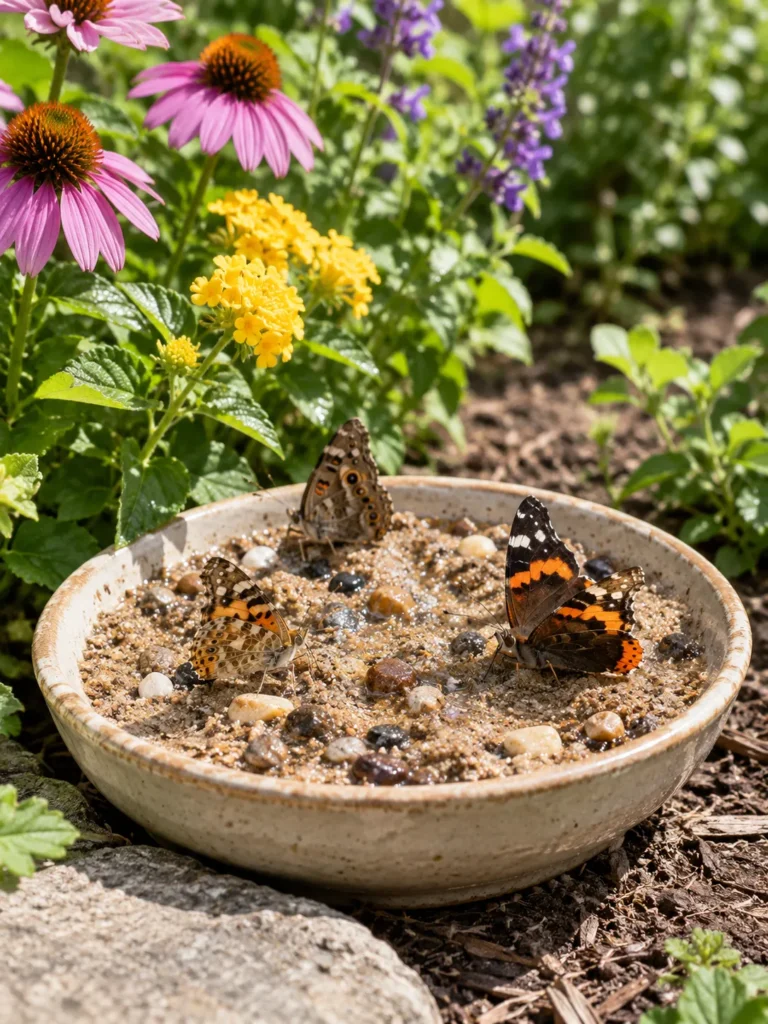
Water is an often overlooked part of a butterfly friendly garden, and it doubles as a great decorative opportunity. Butterflies do not drink from open water the way birds do. Instead, they need shallow puddling areas where they can safely access moisture and minerals from damp soil or sand.
A simple butterfly puddling station can be made from a shallow dish filled with sand or small pebbles, kept damp, and placed in a sunny spot near your nectar plants. Adding a few flat stones nearby gives butterflies a warm, sunny surface to rest on, since they rely on external heat to stay active and need to warm up their flight muscles before feeding.
From a decor standpoint, these puddling stations can be styled just as thoughtfully as any other garden feature. A decorative ceramic dish, a small stone basin, or even a repurposed birdbath filled with sand instead of deep water can look intentional and attractive while serving a real functional purpose.
Positioning Water Features Correctly
Place puddling areas in full sun, since butterflies rely on warmth throughout the day and rarely visit shaded water sources. Keep the water shallow, generally no more than an inch deep at the deepest point, since deeper water poses a drowning risk rather than offering any benefit. Refresh the water every few days to prevent it from becoming stagnant or attracting mosquitoes instead of butterflies.
Adding Minerals to Boost Puddling Activity
Butterflies are not just seeking water at a puddling station; they are also after salts and minerals that support reproduction, particularly in male butterflies. Mixing a small amount of natural sea salt into the damp sand, or occasionally adding a bit of overripe fruit nearby, can make a puddling station significantly more attractive than plain damp sand alone.
This is a small detail that many home gardeners skip, but it often makes the difference between a puddling station that gets occasional visits and one that becomes a reliable gathering spot.
Color Choices That Attract Butterflies and Look Great
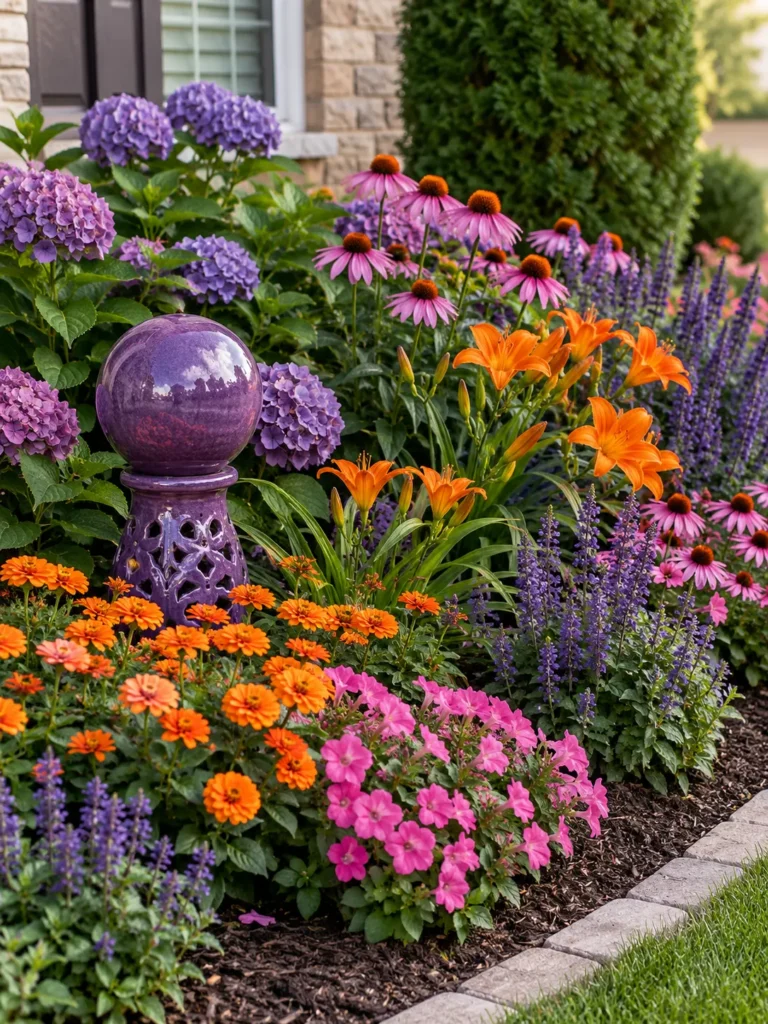
Color plays a genuine functional role in a butterfly garden decor plan, not just an aesthetic one. Butterflies are drawn to bright, saturated colors, particularly purple, pink, red, orange, and yellow. This happens to overlap nicely with colors that also photograph well and create a vibrant, eye catching garden.
When choosing both plants and decorative elements, leaning into this color range serves double duty. A cluster of purple coneflowers paired with an orange metal butterfly ornament creates visual harmony while also sitting squarely within the color range that draws real butterflies in.
White and pale colored flowers can still play a supporting role, especially for evening blooming plants that attract moths and other pollinators, but they should generally take a backseat to the bolder colors if attracting butterflies is your primary goal.
Avoiding Too Much Visual Competition
While bright colors matter, it is possible to overdo it with too many competing decorative colors that create visual noise rather than harmony. A good approach is to choose two or three main colors for your decorative elements and repeat them throughout the space, rather than adding every bright colored ornament you come across. This creates the same kind of cohesive, intentional feeling that works in indoor decorating, just applied to an outdoor space.
Seasonal Considerations for Butterfly Garden Deco
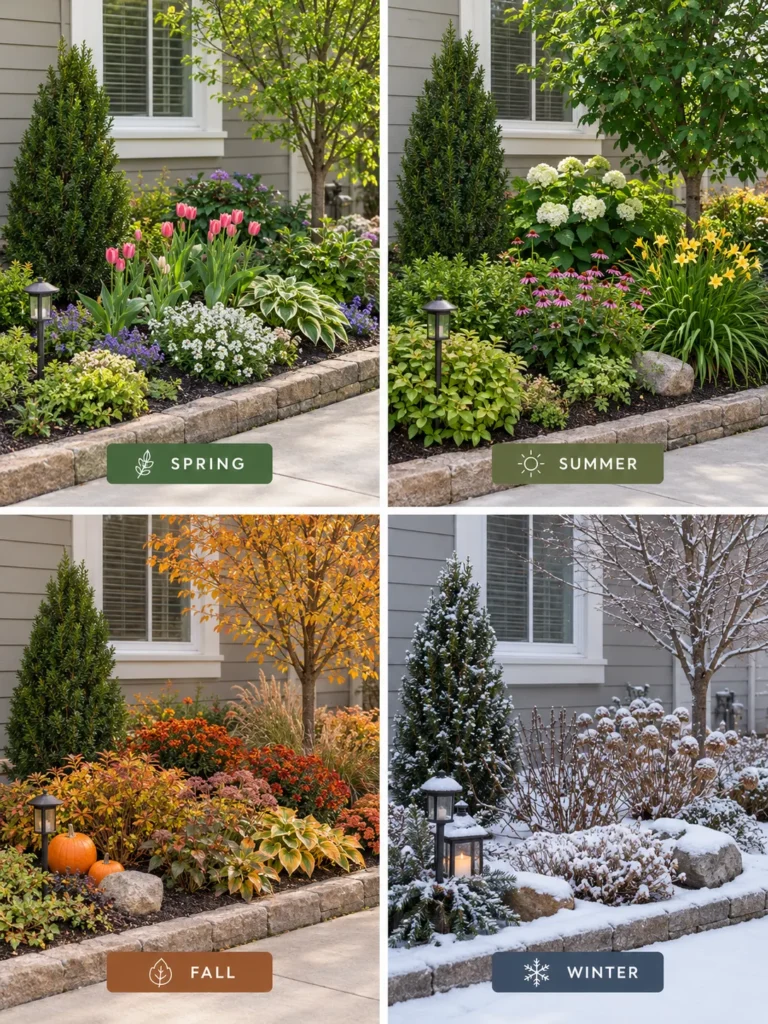
A butterfly garden looks and functions differently across the seasons, and your decor plan should account for that instead of assuming spring conditions apply year round.
In early spring, before most nectar plants have bloomed, decorative elements carry more visual weight since the garden itself has less color and activity. This is a good time to lean on kinetic pieces like wind spinners or brightly colored stakes to keep the space feeling lively while plants are still establishing.
During peak summer, when nectar plants are in full bloom and butterfly activity is at its highest, decor can take a slightly smaller role since the real stars of the show are the plants and the actual butterflies visiting them. This is also when puddling stations and water features get the most use, so keeping them well maintained during these months matters most.
In fall, as blooms fade, consider adding late season nectar plants like asters and goldenrod to extend the butterfly season as long as possible. Decorative elements with warm, autumnal tones can also help the space transition visually without looking abandoned once the brighter summer flowers fade.
Winterizing Garden Decor
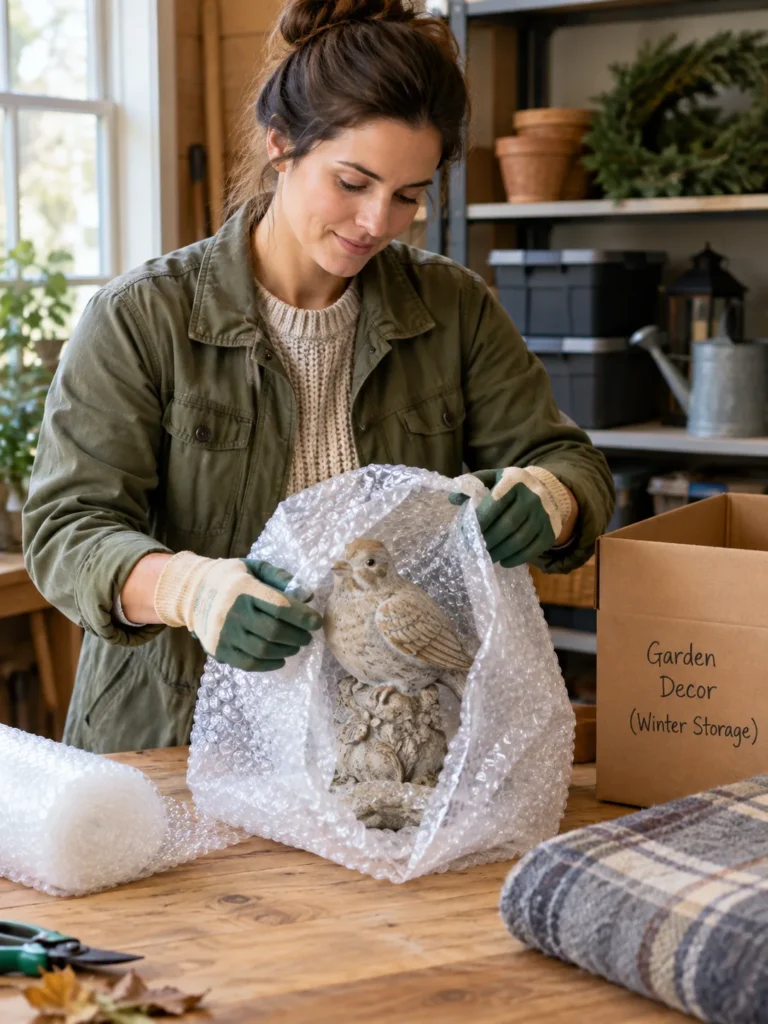
If you live somewhere with harsh winters, not all decorative pieces are built to stay outside year round. Ceramic and ordinary ceramic dishes can crack if water freezes inside them, so either bring these pieces indoors for winter or choose freeze rated materials designed to handle the cycle of freezing and thawing. Metal pieces generally hold up well outdoors through winter, though some people choose to bring smaller, more delicate ornaments inside simply to protect their finish and extend their lifespan.
Planning Next Season While the Garden Rests
Winter downtime is actually a good time to plan improvements for the following year. Take photos of your garden at its peak so you can reference bloom times and gaps in coverage when planning new plantings. This is also a good time to research additional host plants for butterfly species you noticed visiting but did not specifically plan for, so next year’s garden can expand its support a little further.
Common Mistakes That Hurt Both Style and Function
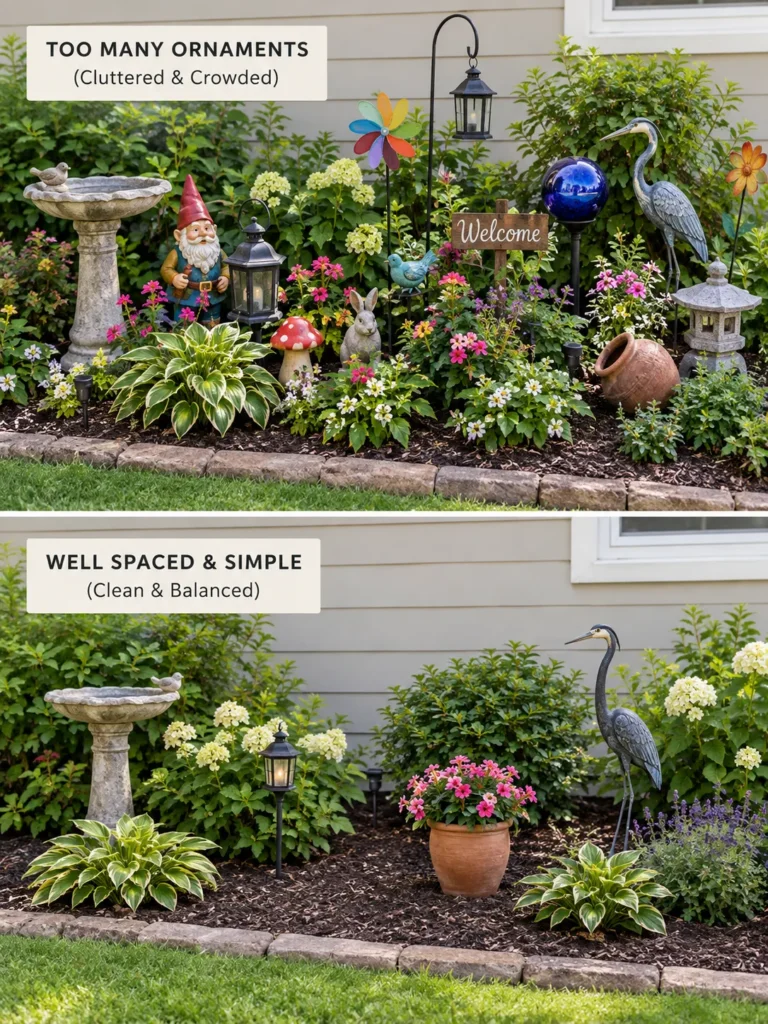
A few recurring mistakes show up again and again in butterfly garden planning, and most of them are easy to avoid once you know what to look for.
Relying entirely on decor without the right plants is probably the biggest one. A garden full of butterfly ornaments but no actual nectar or host plants will look themed but will not do much to attract real butterflies, which defeats half the purpose of the project.
Using pesticides anywhere near a butterfly garden is another common issue, since most pesticides that kill unwanted insects will harm butterflies and caterpillars just as easily. If pest control is necessary elsewhere in the yard, keep it well away from your butterfly focused beds.
Overcrowding decorative elements can also undercut the natural feel you are going for. Too many ornaments packed into a small space start to compete with the plants themselves rather than complementing them. Leave enough open space between decorative pieces so each one still has room to stand out.
Finally, forgetting maintenance on features like puddling stations leads to stagnant water and reduced effectiveness over time. A decorative feature that stops functioning properly loses both its practical value and its visual appeal fairly quickly.
Frequently Asked Questions
What plants attract the most butterflies to a garden?
Nectar rich flowers like zinnias, coneflowers, and butterfly bush attract adult butterflies, while host plants like milkweed, dill, and parsley allow caterpillars to feed and complete their life cycle, making both types essential for a garden that keeps butterflies coming back.
Do decorative butterfly ornaments actually attract real butterflies?
Decorative ornaments do not attract butterflies on their own, but movement from kinetic pieces like wind spinners can catch their attention from a distance, and bright colors on decor can complement the visual signal already being sent by nearby flowers.
How do I make a simple butterfly puddling station?
Fill a shallow dish with sand or small pebbles, keep it damp, and place it in a sunny spot near your nectar plants. Add a few flat stones nearby so butterflies have a warm surface to rest on while they access moisture and minerals.
What colors do butterflies prefer in a garden?
Butterflies are most drawn to purple, pink, red, orange, and yellow blooms, since these bright, saturated colors are easiest for them to spot from a distance while flying in search of nectar.
Is it safe to use pesticides in a butterfly garden?
No. Most pesticides that target unwanted insects will also harm butterflies and their caterpillars, so it is best to avoid pesticide use in and around any garden bed intended to attract and support butterflies.
Conclusion
Butterfly garden decor works best when it grows out of a strong plant foundation rather than standing in for one. Start with the right mix of nectar and host plants, add a simple puddling station for real function, then layer in garden decor through ornaments, color, and movement to keep the space visually engaging through every season.
A garden built this way does more than look good in photos. It becomes a real, living space that butterflies actually want to visit, which is the whole point in the first place.
Pick one area of your yard to start with, plant a small cluster of nectar flowers, and add one or two decorative pieces to anchor the space. From there, you can expand season by season as you see what real butterfly activity your garden begins to attract.