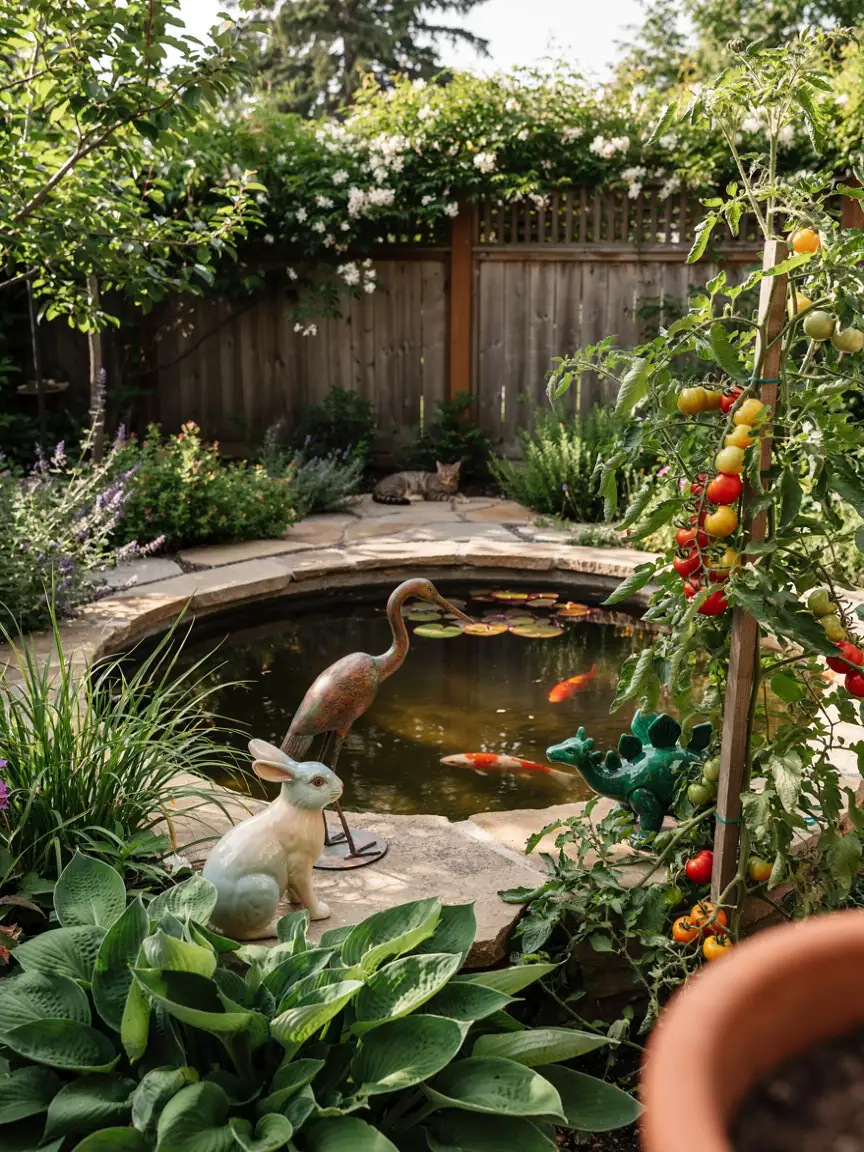
Walk through almost any well loved backyard and you will spot at least one small surprise tucked among the plants: a ceramic rabbit peeking out from the hostas, a metal heron standing guard by the pond, or maybe a grinning dinosaur poking its head above the tomato vines. That is animal garden decor at work, and it has quietly become one of the most popular ways to add personality to outdoor spaces.
Animal garden decor is not just about cute figurines. Done thoughtfully, it can guide a visitor’s eye through a landscape, create a sense of whimsy for kids, honor a favorite pet, or simply give a yard a story worth telling. But with so many materials, styles, and price points on the market, choosing the right pieces can feel overwhelming.
This guide walks through everything you need to know about garden animal decor: the different types available, how to pick pieces that suit your space and budget, where the fun trend of dinosaur garden decor fits in, and how to keep your pieces looking their best for years. By the end, you will have a clear plan for bringing your own garden to life with the right animal accents.
What Is Animal Garden Decor and Why It Matters
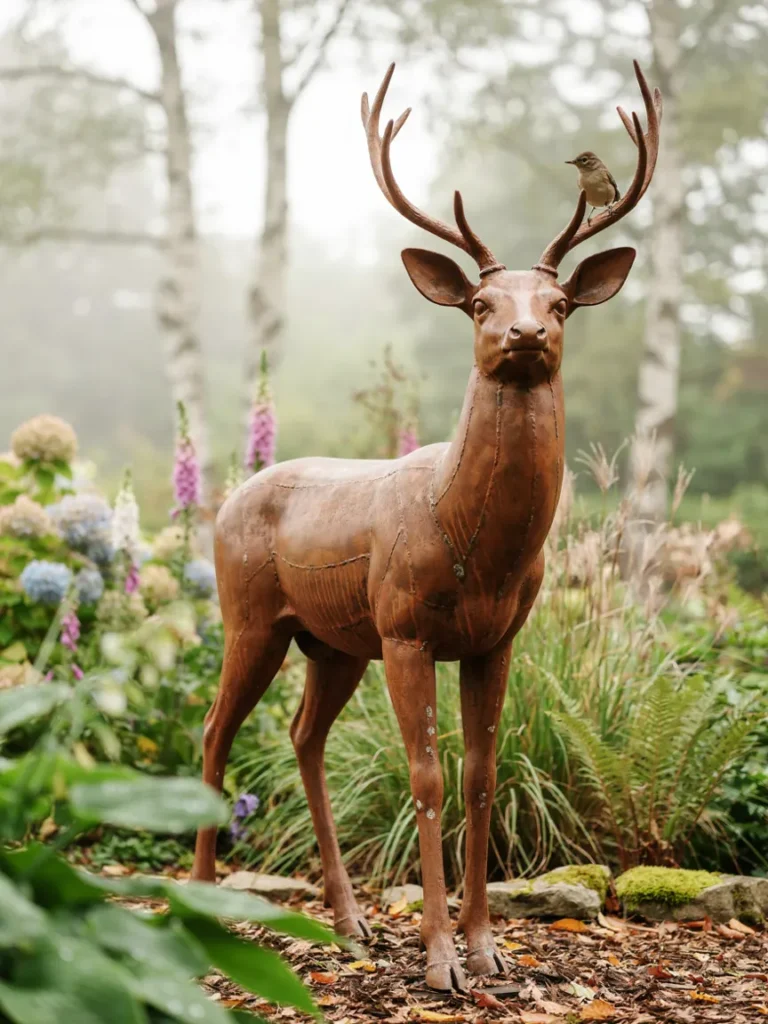
Animal garden decor refers to any decorative object shaped like an animal that is designed for outdoor use, typically in a garden, patio, or lawn setting. This can range from small painted stones shaped like turtles to life sized metal sculptures of deer standing at the edge of a wooded property, and for those who prefer fungi over fauna, a mushroom garden decor guide can offer similar inspiration for whimsical, nature-themed accents.
The appeal goes beyond aesthetics. Gardens are personal spaces, and animal figures let homeowners express interests and values in a way that plants alone cannot. A birdwatcher might place a family of ceramic owls near a feeder. A family with young children might fill a play area with colorful frog and rabbit statues. Someone who grew up on a farm might choose a rustic metal rooster for the vegetable patch.
There is also a practical side. Certain animal decor, like owl statues or snake decoys, is sometimes used in an attempt to deter pests such as rodents or birds, although results vary and should not be relied on as a primary pest control method. Reflective or motion activated animal decor can also add a layer of nighttime interest or gentle security lighting to a yard.
Internal linking opportunity: Link to a related post on general outdoor decor trends or a seasonal garden styling guide here.
Types of Garden Animal Decor by Material
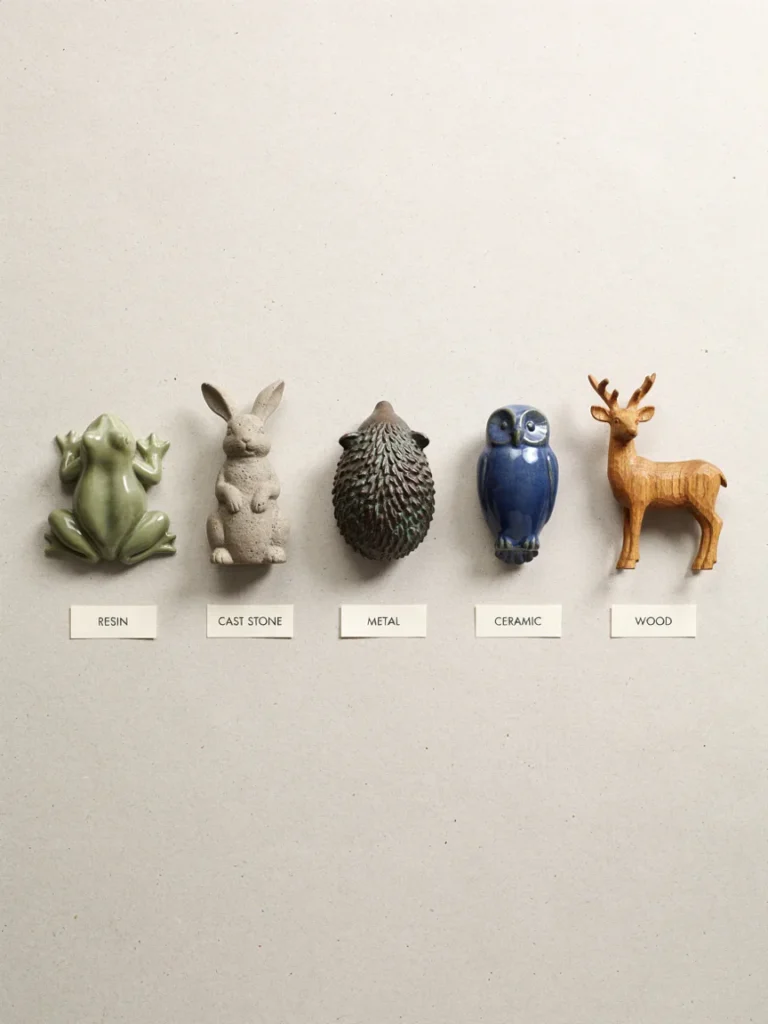
The material a piece is made from affects its price, durability, and the overall look it brings to a space. Understanding your options helps you choose garden animal decor that will hold up in your specific climate.
Resin and Fiberglass
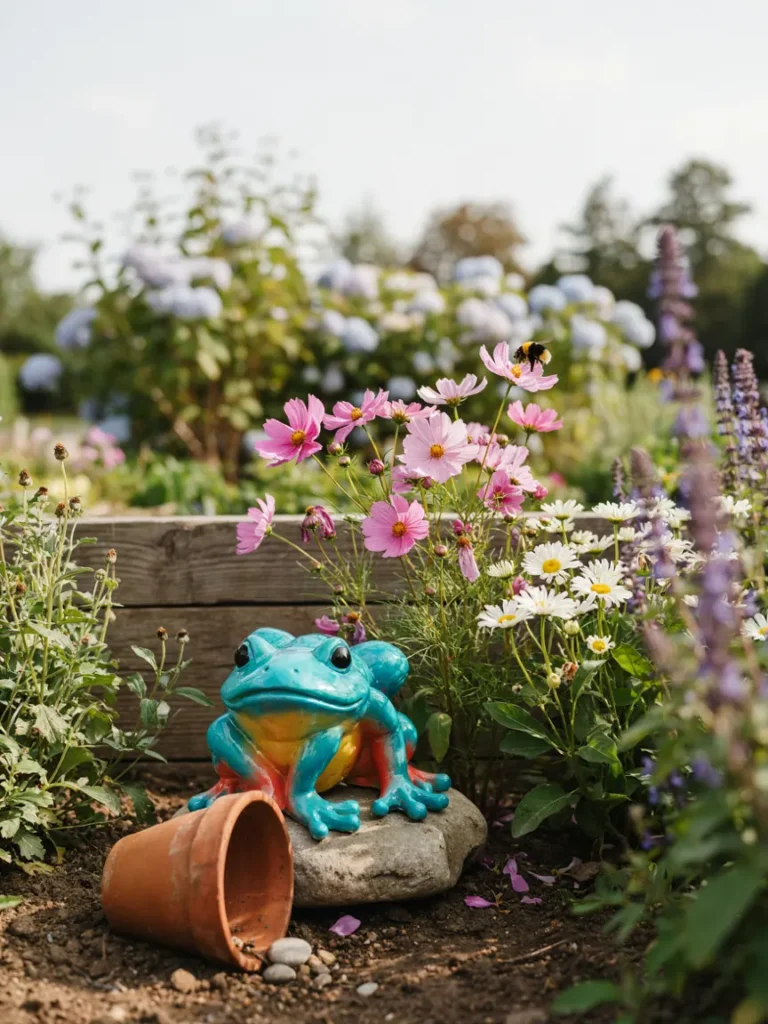
Resin is one of the most common materials for animal garden decor because it is lightweight, affordable, and easy to mold into detailed shapes. Fiberglass works similarly but tends to be a bit sturdier for larger statues. Both materials are usually finished with UV resistant paint, though quality varies widely between manufacturers. Lower cost resin pieces may fade or crack after a few seasons in direct sun, so it is worth checking for UV protection ratings before buying.
Cast Stone and Concre
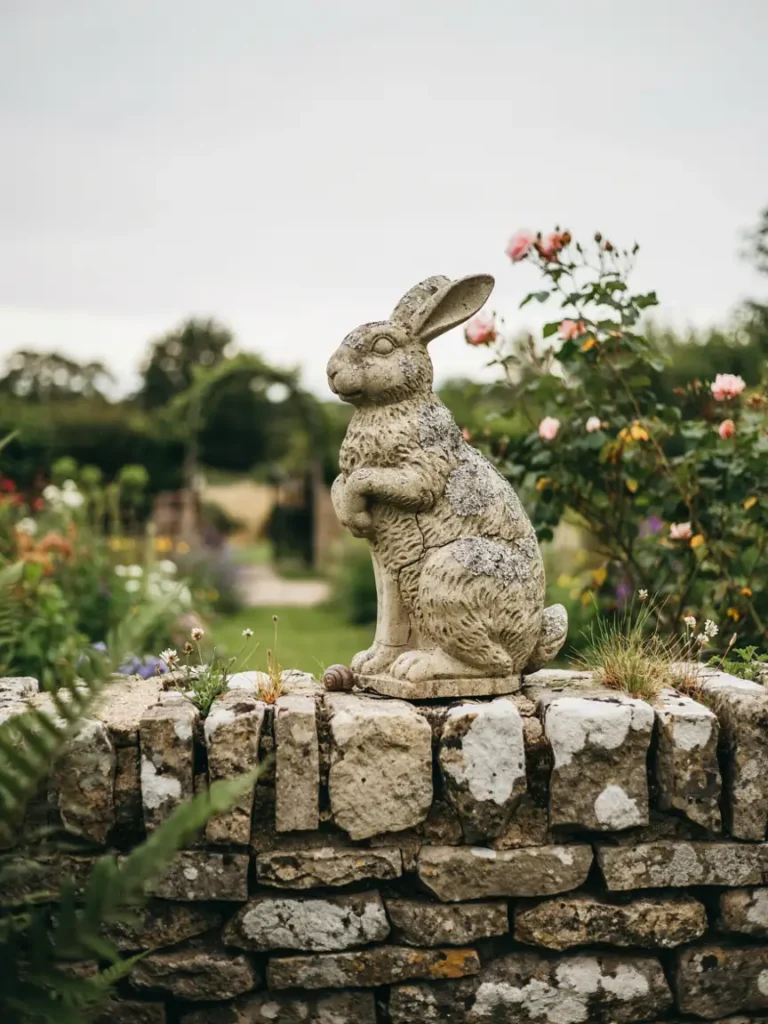
Cast stone and concrete animal statues bring a classic, substantial look to a garden. Rabbits, frogs, and cherub style figures are common in this material. These pieces are heavier and more resistant to wind and weather, making them a good fit for exposed yards. The tradeoff is weight, which can make repositioning difficult, and the potential for cracking in freeze and thaw cycles if the concrete is not sealed properly.
Metal (Steel, Copper, and Iron)
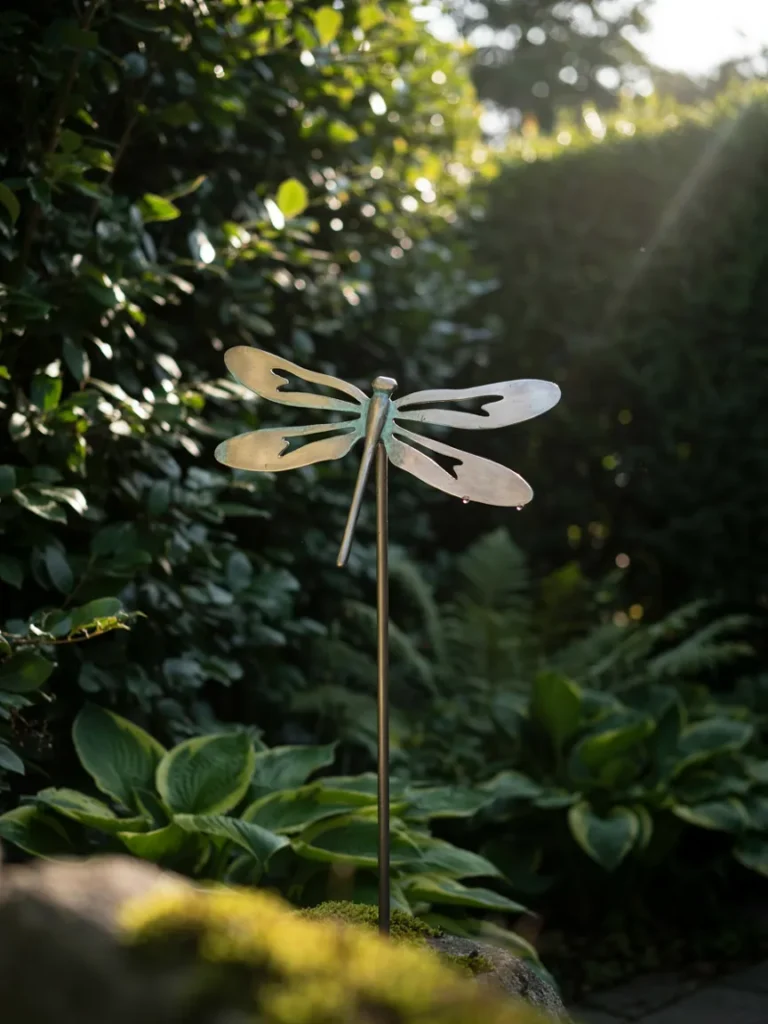
Metal animal garden decor, including silhouette style birds, dragonflies, and larger sculptural pieces, tends to age gracefully. Steel with a powder coated finish resists rust for years, while copper and untreated iron develop a natural patina over time that many gardeners find appealing. Metal pieces work particularly well as focal points because their clean lines stand out against soft plant textures.
Ceramic and Terracotta
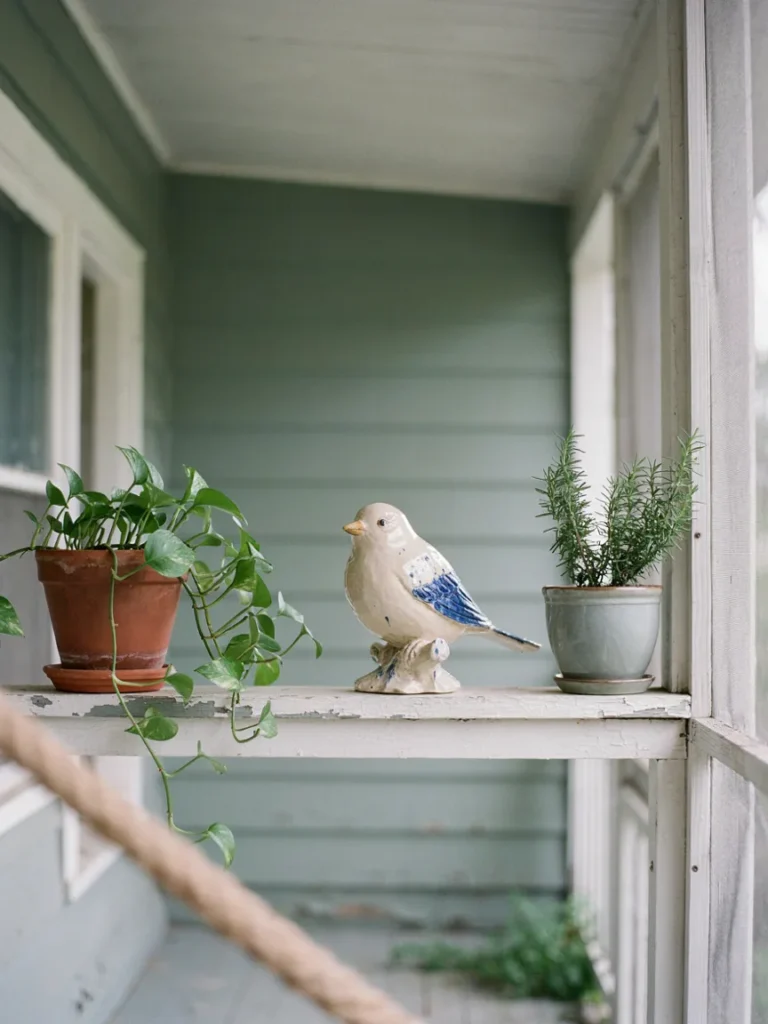
Ceramic animal figures, often hand painted, bring warmth and color to garden beds and patios. They are best suited to covered porches or protected garden nooks since ceramic can chip or crack if knocked over or left in freezing conditions without proper glazing.
Wood
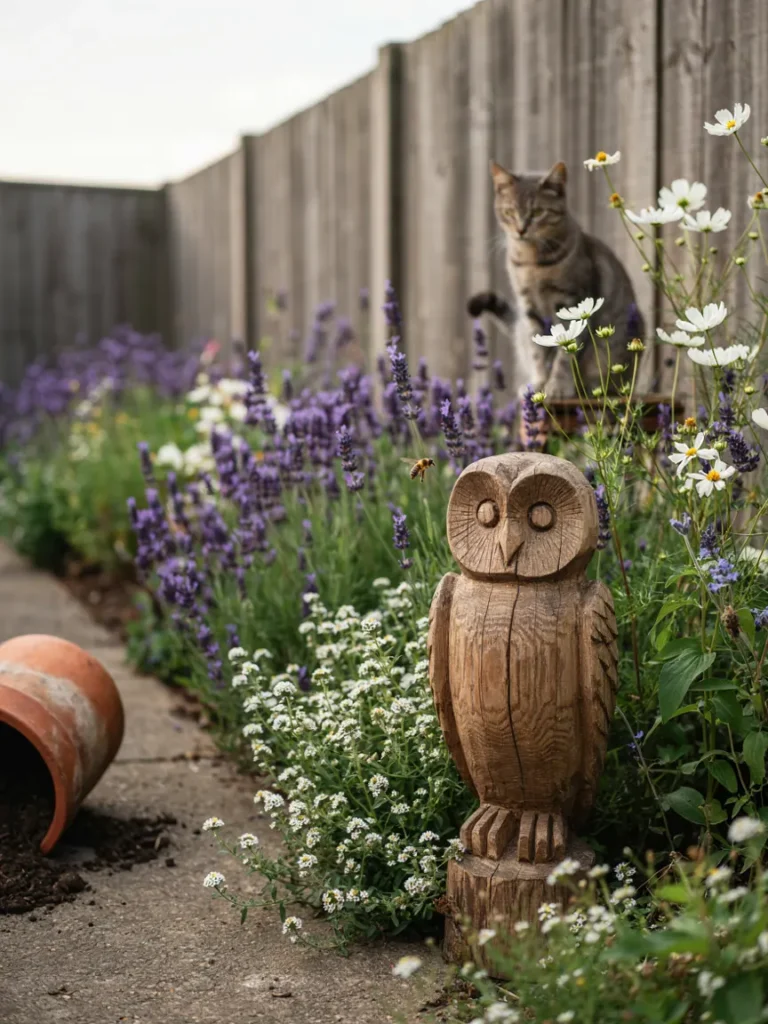
Carved wooden animals, from folk art style owls to detailed woodland creatures, add a natural, rustic quality. Wood requires the most maintenance of any material on this list, typically needing sealant reapplied every year or two to prevent rot and insect damage.
Quick comparison for choosing garden animal decor material:
| Material | Best For | Maintenance Level |
| Resin/Fiberglass | Budget friendly variety | Low to moderate |
| Cast stone/Concrete | Wind exposed, permanent placements | Low |
| Metal | Modern or minimalist gardens | Low |
| Ceramic | Covered patios, color accents | Moderate |
| Wood | Rustic or cottage gardens | High |
Popular Styles and Themes in Animal Garden Decor
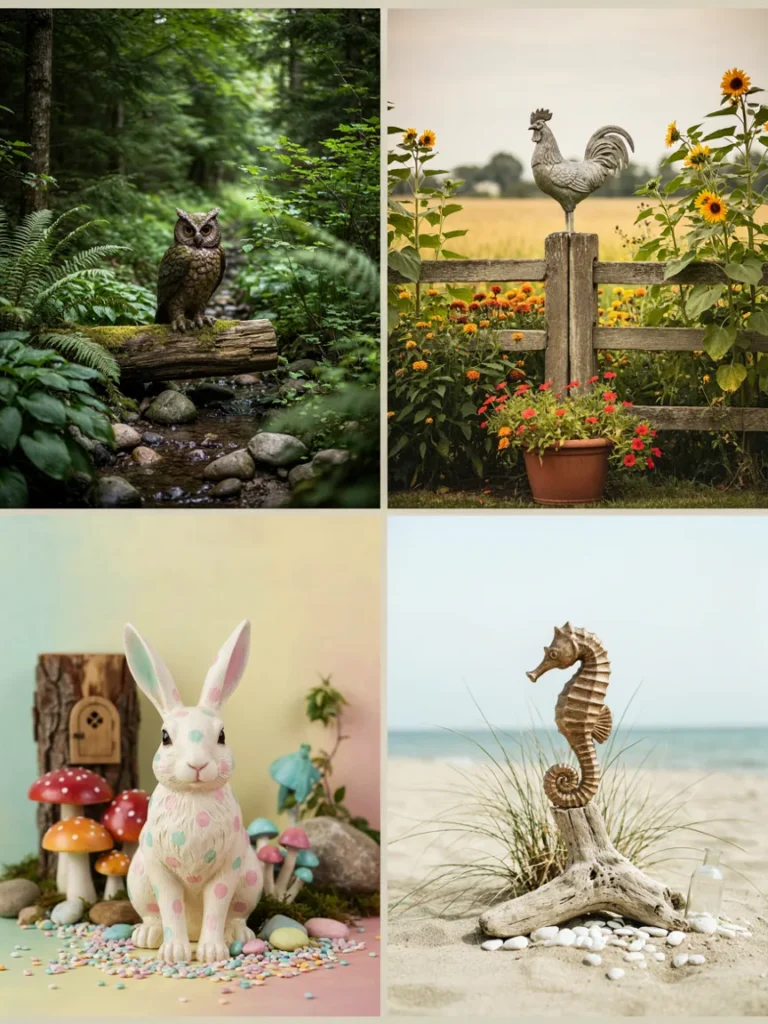
Once you know your preferred material, the next decision is style. Animal garden decor spans a wide range of aesthetics, and mixing too many can create visual clutter, so it helps to settle on a theme.
Classic Woodland and Wildlife
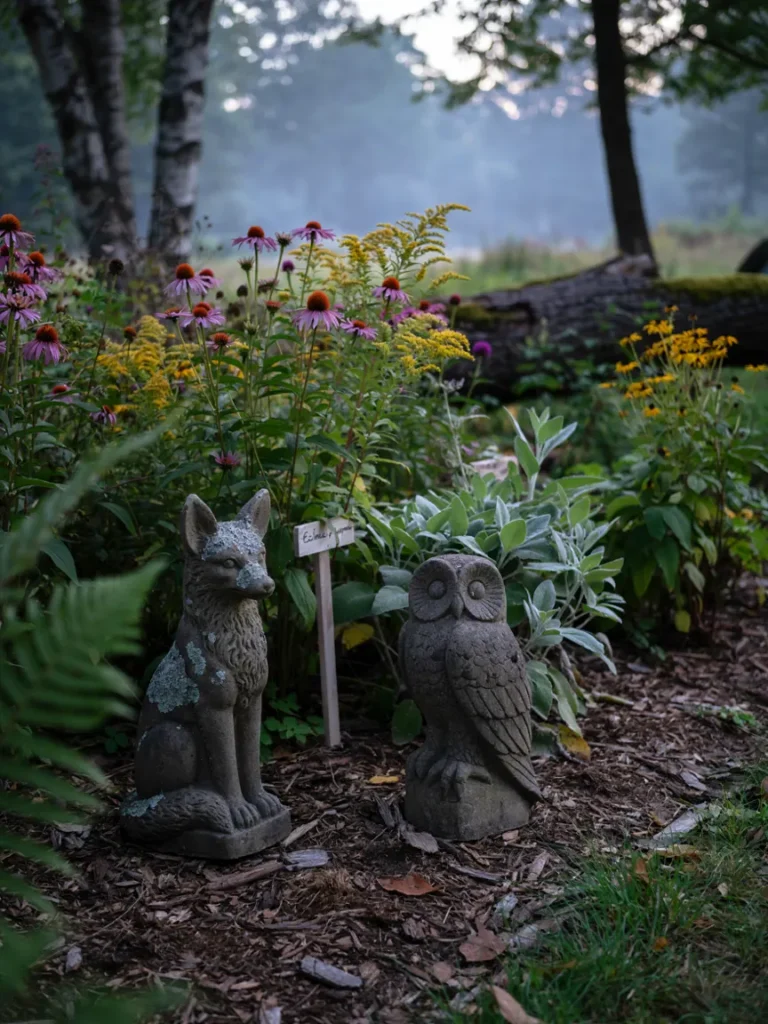
Deer, foxes, owls, and rabbits are the backbone of traditional garden animal decor. These pieces suit almost any landscape style, from formal English gardens to relaxed native plantings, and they pair naturally with existing wildlife habitats like bird feeders or butterfly gardens.
Farmhouse and Rustic
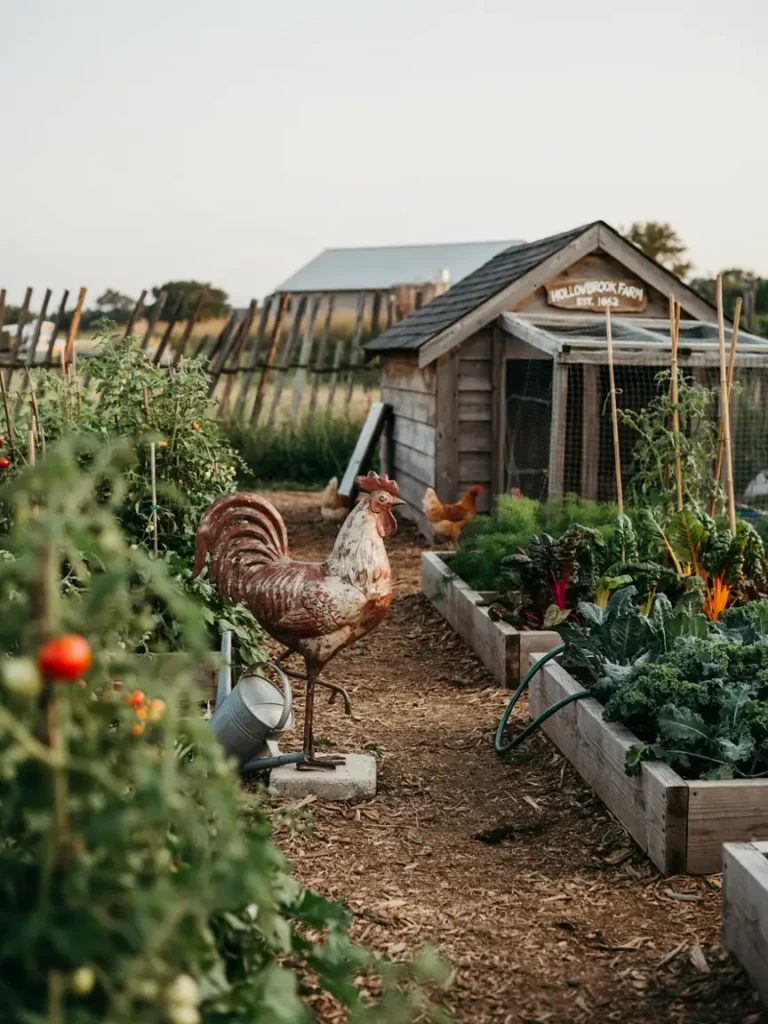
Roosters, pigs, cows, and sheep in distressed metal or painted wood finishes are popular in vegetable gardens and country style properties. This theme works especially well near raised beds or a chicken coop, reinforcing a working farm feel.
Whimsical and Fantasy
Gnomes paired with animal companions, fairies riding turtles, and other storybook style pieces appeal to gardeners who want a sense of playfulness. These are often a favorite starting point for children’s garden spaces.
Coastal and Aquatic
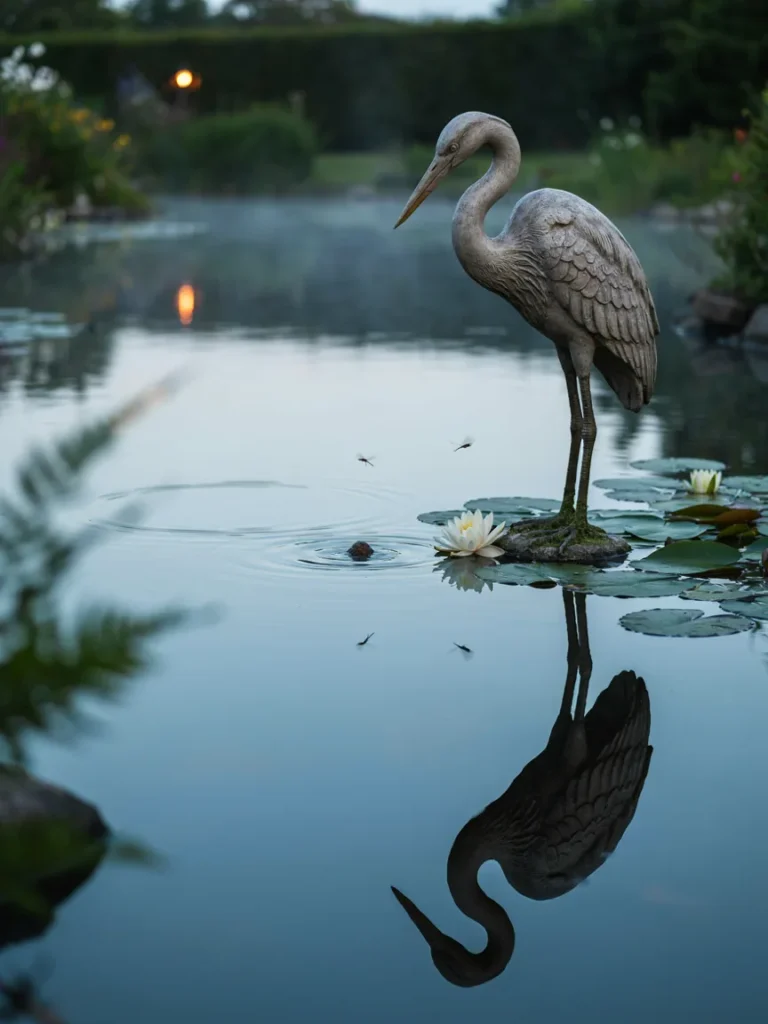
Herons, cranes, frogs, turtles, and fish themed decor complement gardens with water features, ponds, or a coastal design palette. A single well placed heron statue near a pond can look remarkably like the real thing at a glance, which some homeowners enjoy for the surprise factor.
Dinosaur Garden Decor
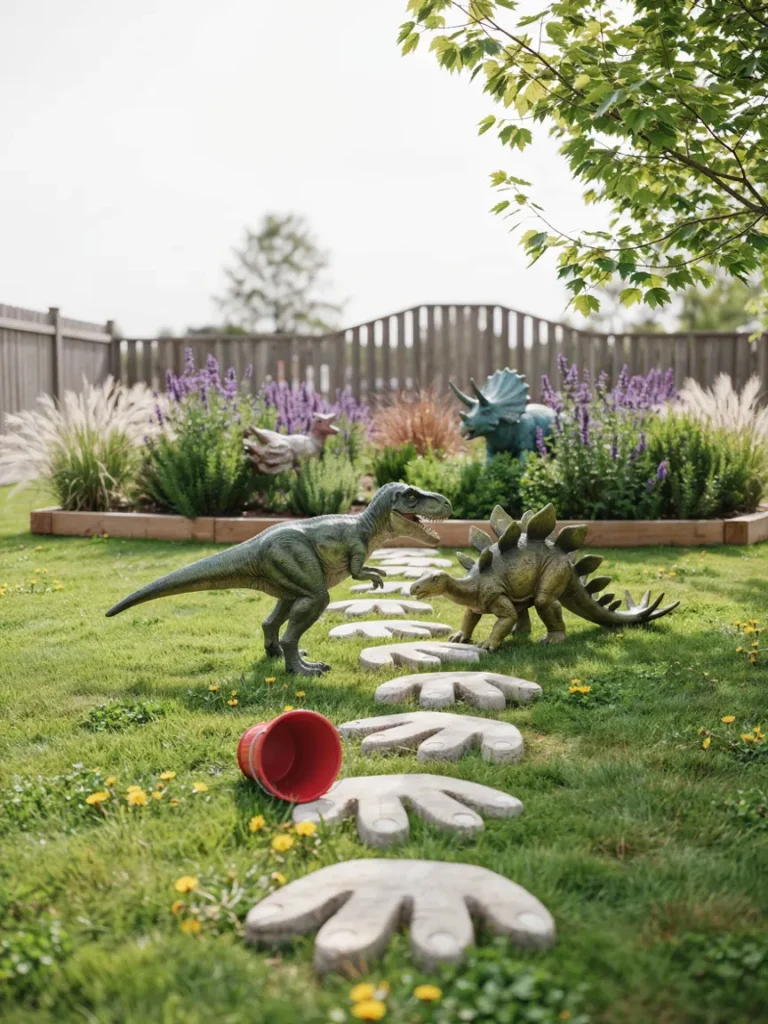
One of the fastest growing niches in the category is dinosaur garden decor. Parents and hobby gardeners alike have embraced dinosaur themed statues, footprints, eggs, and even dinosaur shaped planters as a way to make outdoor spaces more engaging for kids and dinosaur enthusiasts of any age. Popular options include:
- Resin T Rex and stegosaurus statues sized for flower beds
- Dinosaur footprint stepping stones that create a walking trail effect
- Dinosaur egg shaped planters and garden ornaments
- Miniature dinosaur figures scaled for fairy gardens or terrariums
Dinosaur garden decor works particularly well in family yards, school gardens, and any space designed to spark a child’s curiosity about the natural world. Because these pieces tend to be bold and eye catching, a little goes a long way. A cluster of two or three dinosaur pieces near a play area usually reads as intentional and fun, while dinosaurs scattered across an entire yard can start to compete with the rest of the landscape design.
Internal linking opportunity: Link to a dedicated dinosaur garden decor product collection or a kids’ garden design guide here.
How to Choose the Right Animal Garden Decor for Your Space
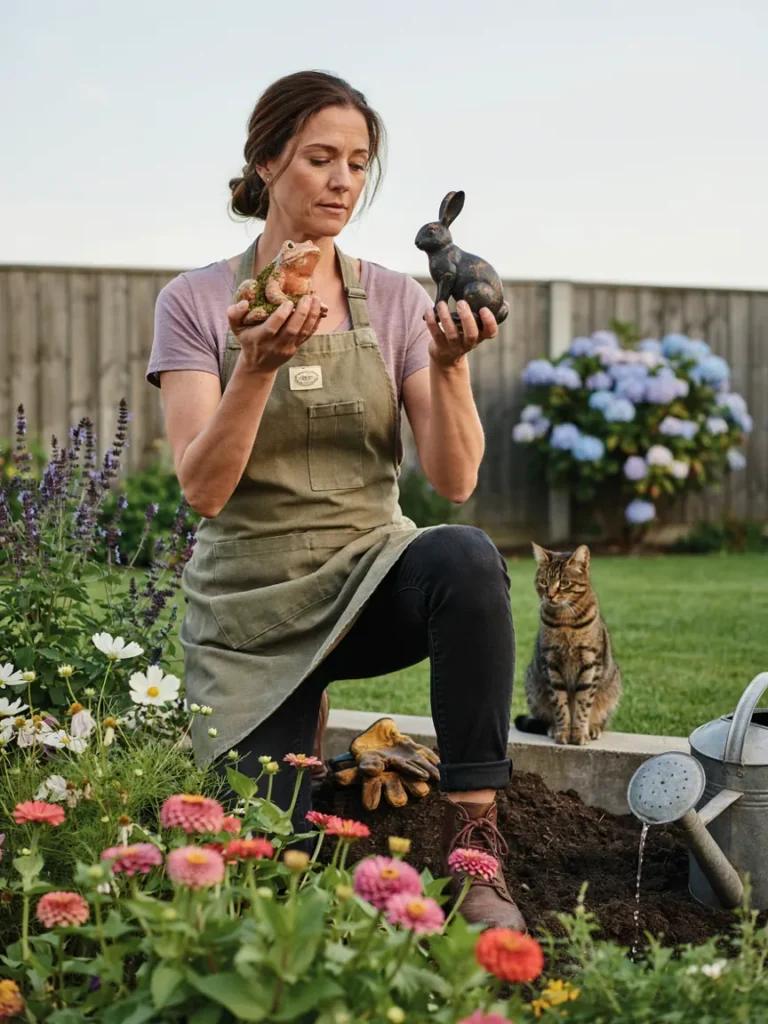
With so many materials and themes available, narrowing down the right pieces comes down to a few practical considerations.
Match Scale to Your Garden
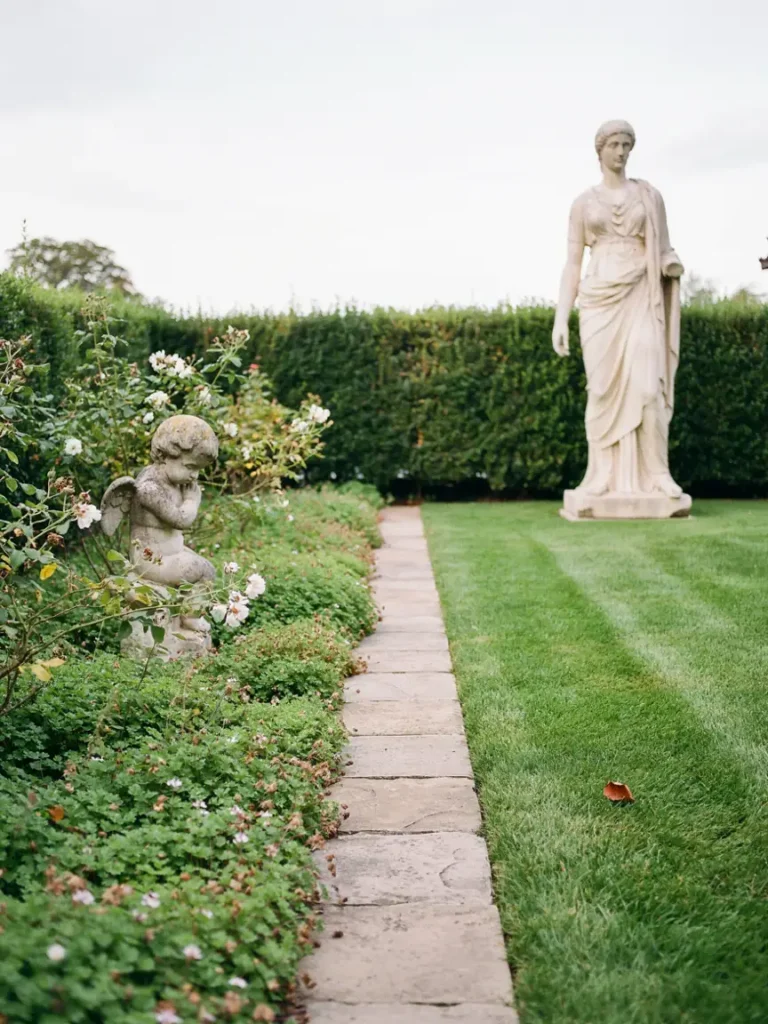
A common mistake is choosing a statue that is too large or too small for its surroundings. As a general rule, small figures under twelve inches work well tucked among low growing plants or along a path edge, while larger statues of two feet or more need open space to be appreciated, such as a lawn corner or the entrance to a garden bed.
Consider Your Climate
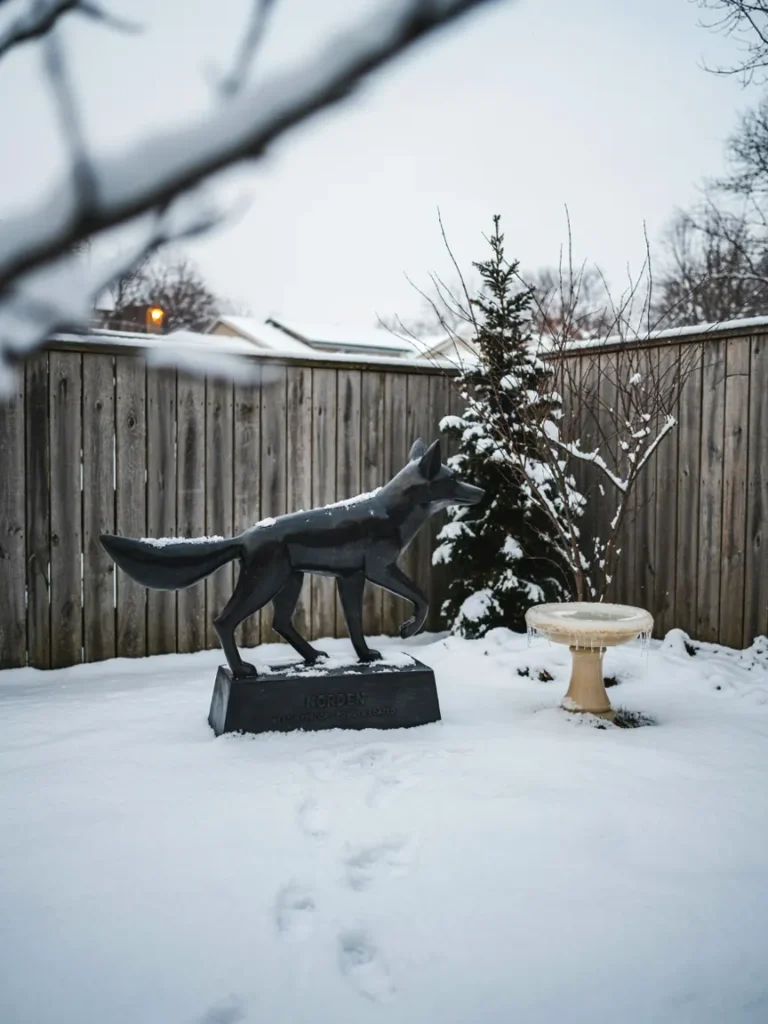
If you live in an area with harsh winters, frequent freeze and thaw cycles, or intense summer sun, prioritize materials rated for your conditions. Powder coated metal and sealed cast stone tend to perform best in variable climates, while ceramic and unsealed concrete may need to be brought indoors seasonally.
Think About Sightlines
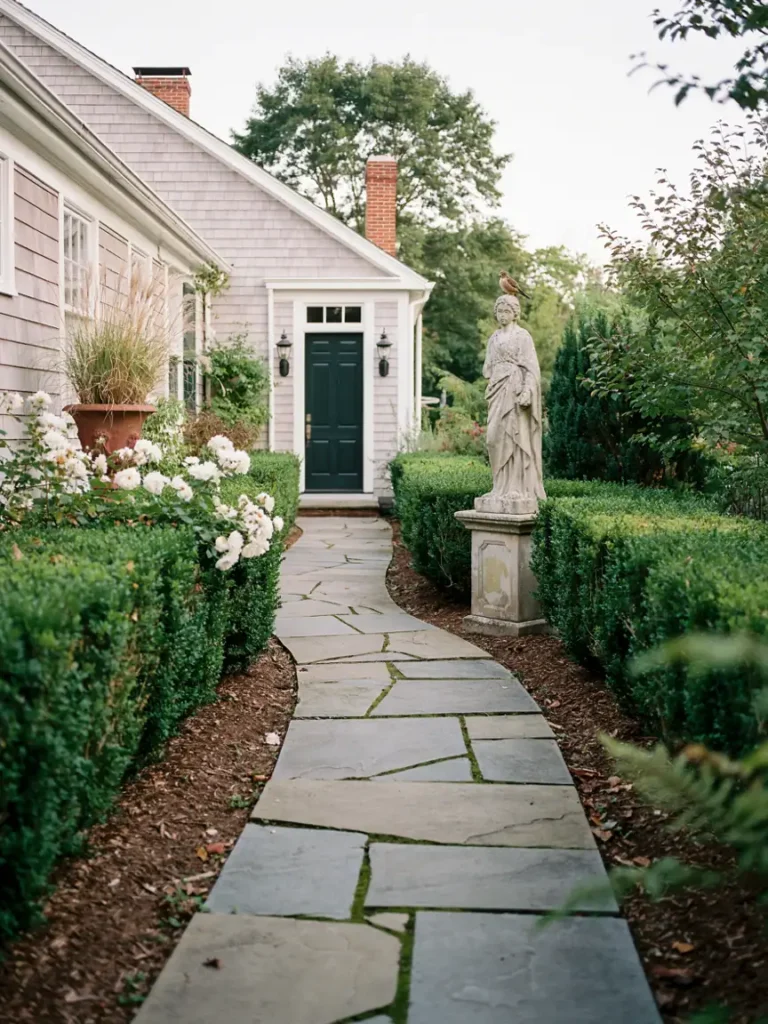
Place statues where they will actually be seen and appreciated, such as near a front walkway, by a window with a garden view, or along a path that guests naturally walk. A beautiful piece hidden behind overgrown shrubs loses most of its value.
Set a Realistic Budget
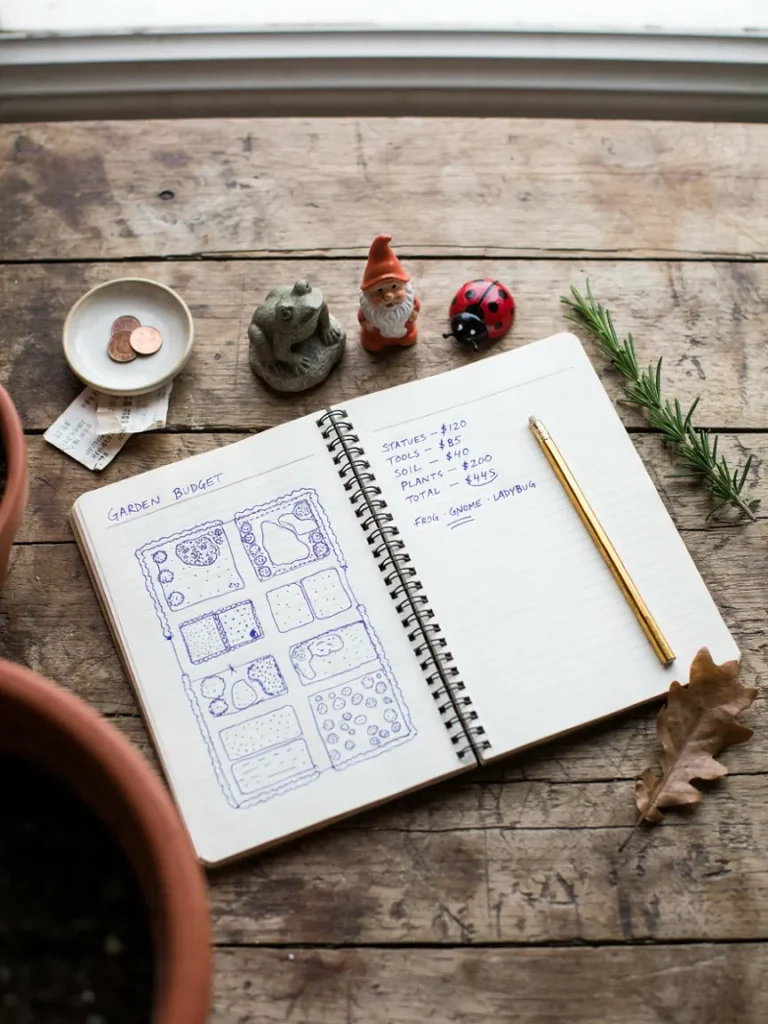
Animal garden decor prices vary enormously, from a few dollars for a small painted stone to several hundred dollars for a large hand finished metal sculpture. Decide on a budget for the whole project first, then allocate more toward one or two statement pieces rather than spreading funds thin across many small items.
Reflect Your Personal Style
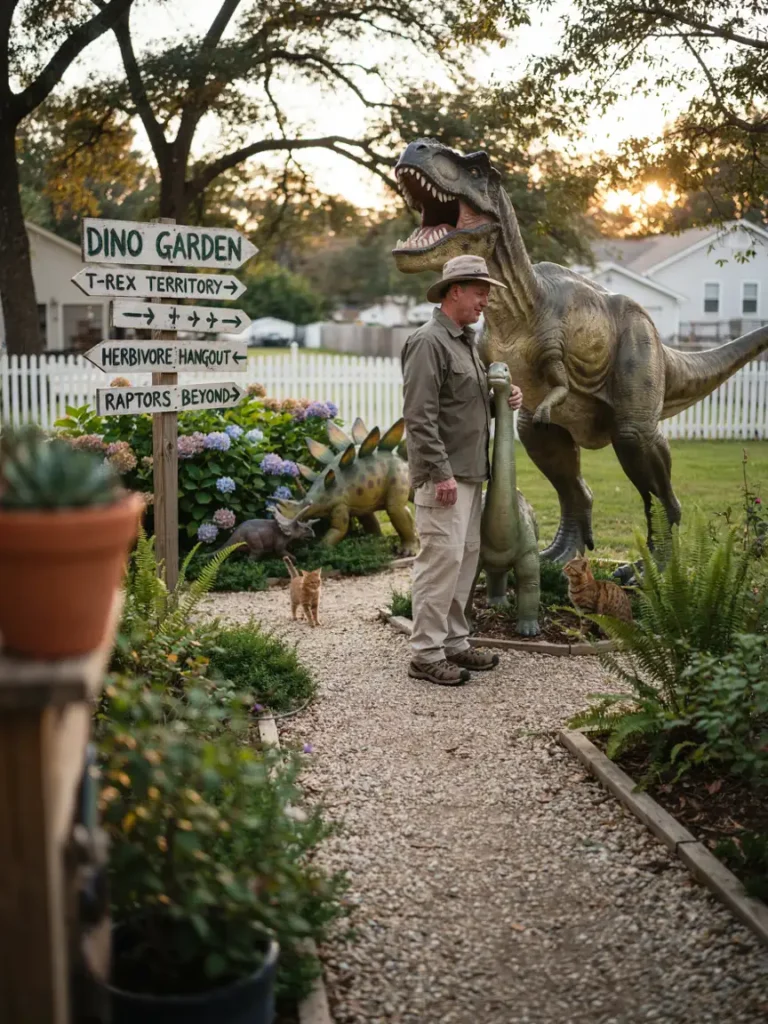
The best animal garden decor tells a story about the people who live there. Consider what genuinely interests you or your family, whether that is birdwatching, farm life, ocean themes, or dinosaurs, and let that guide your choices rather than following trends alone.
Placement and Styling Tips for Garden Animal Decor
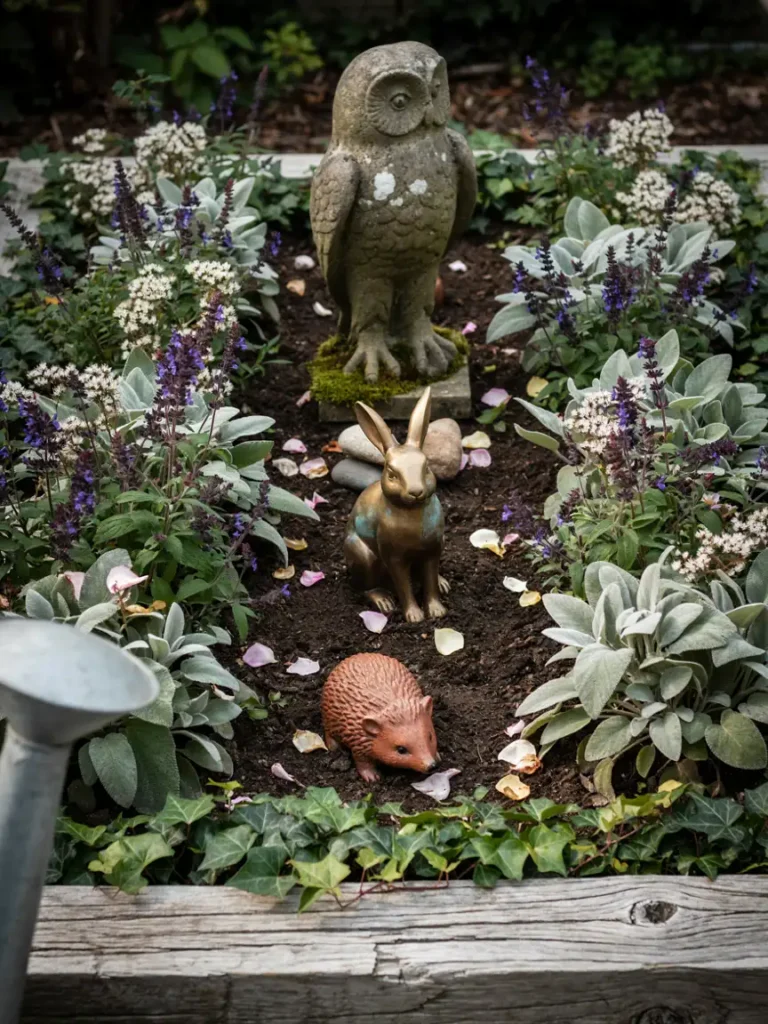
Even great pieces can fall flat without thoughtful placement. These tips help animal garden decor look intentional rather than scattered.
- Anchor with one focal piece. Choose a single larger statue as the star of a bed or corner, then use smaller pieces sparingly around it.
- Use the rule of odd numbers. Groupings of three tend to look more natural than pairs or even numbers, especially with smaller figures like mushrooms and small animals.
- Follow natural sightlines. Place pieces where they will be discovered gradually, such as partially hidden behind a plant, rather than lined up in a row.
- Vary height. Combine ground level pieces with elevated ones, such as a bird perched on a shepherd’s hook, to add visual interest.
- Leave breathing room. Avoid clustering too many statues in one bed. Empty space between pieces allows each one to stand out.
- Coordinate with existing decor. Match metal finishes, color palettes, or themes with other outdoor elements like planters, furniture, or fencing for a cohesive look.
Maintenance and Care for Animal Garden Decor
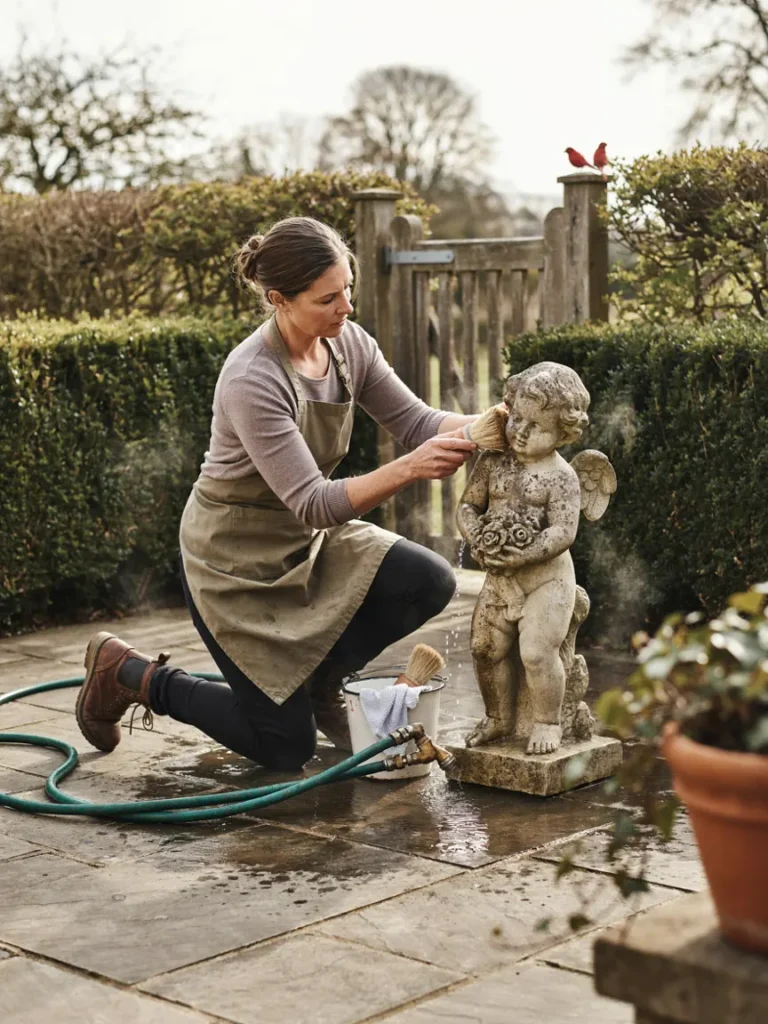
Proper care extends the life of your pieces and keeps colors and finishes looking fresh season after season.
- Clean regularly. Rinse dirt and pollen off with a garden hose, and use a soft brush with mild soap for stubborn grime. Avoid pressure washers on delicate finishes.
- Reapply sealant as needed. Wood and unglazed ceramic pieces benefit from an outdoor sealant every one to two years to resist moisture damage.
- Check for rust early. Inspect metal pieces each spring for early rust spots and treat them promptly with a rust inhibitor to prevent spreading.
- Bring in fragile pieces for winter. In freezing climates, move ceramic, resin, and unsealed concrete decor to a garage or shed during the coldest months to prevent cracking.
- Reposition seasonally. Moving pieces occasionally protects the grass or soil beneath them and lets you refresh the look of a bed without buying new decor.
Frequently Asked Questions
What is the most durable material for animal garden decor?
Powder coated metal and sealed cast stone are generally the most durable options for year round outdoor exposure, holding up well against sun, rain, and temperature swings with minimal maintenance.
Can animal garden decor actually deter pests?
Some gardeners use owl or snake decoys to discourage birds and rodents, but results are inconsistent because animals often adjust to a stationary object over time. It is best viewed as a minor deterrent rather than a guaranteed solution.
Is dinosaur garden decor only for kids’ gardens?
Not at all. While dinosaur garden decor is especially popular in family friendly spaces, many adult gardeners incorporate dinosaur statues and planters as a playful, conversation starting accent in any style of yard.
How many animal statues is too many for one garden?
There is no fixed number, but a good guideline is to let plants remain the primary focus and use animal decor as an accent. If statues start competing with each other for attention rather than complementing the plantings, it is usually time to edit the collection down.
Where should I place garden animal decor for the best effect?
Prioritize spots with good visibility, such as near entryways, along paths, or within view of frequently used windows, and use natural elements like foliage to partially reveal pieces rather than displaying everything in the open.
Conclusion
Animal garden decor offers an easy, affordable way to add character, humor, and personal meaning to any outdoor space. Whether you are drawn to a classic ceramic rabbit, a sleek metal heron, or a playful set of dinosaur garden decor for the kids, the key is choosing pieces that match your climate, scale, and style, then placing them with intention rather than scattering them at random.
Start small if you are new to the category. Pick one or two pieces that genuinely excite you, live with them for a season, and build your collection from there. Over time, your garden will develop its own unmistakable personality, one thoughtfully placed animal at a time.
Ready to start shopping for your own animal garden decor? Browse our full collection of garden statues, including classic wildlife pieces and dinosaur themed favorites, to find the perfect additions for your outdoor space.