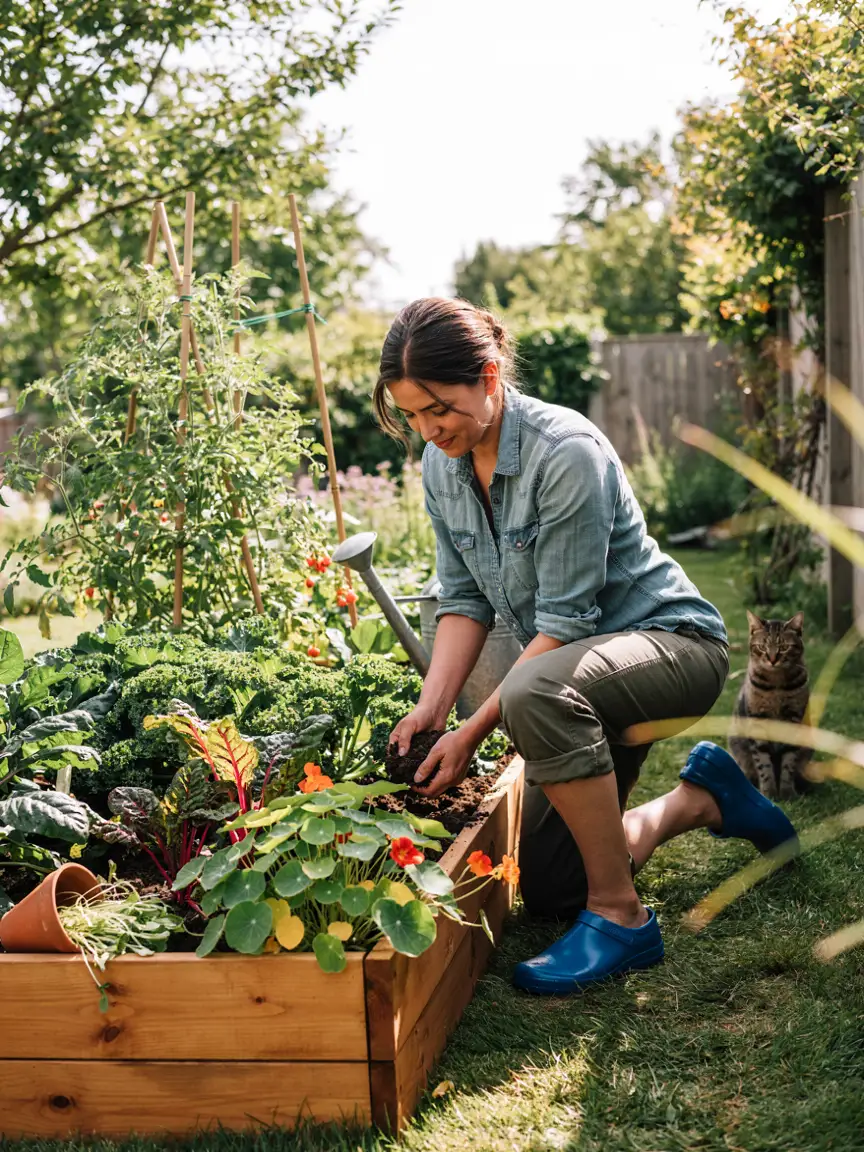
If you have ever spent an afternoon kneeling in wet soil only to feel your sneakers soak through by lunchtime, you already understand why gardening clogs exist. They are not just another gardening accessory. For anyone who spends real time outdoors tending beds, watering rows, or hauling mulch, the right pair of clogs can be the difference between a joyful morning in the garden and a day spent nursing sore, damp feet.
In this guide, we will walk through everything you need to know about choosing, wearing, and caring for gardening clogs. We will also touch on the rest of your garden wardrobe, including gardening sleeves, aprons, hats, and overalls, because a comfortable gardener is usually a productive one.
Whether you are a weekend hobbyist with a few raised beds or someone who spends hours a day working the soil, this article will help you find footwear and gear that actually holds up.
Why Gardening Clogs Matter More Than You Think
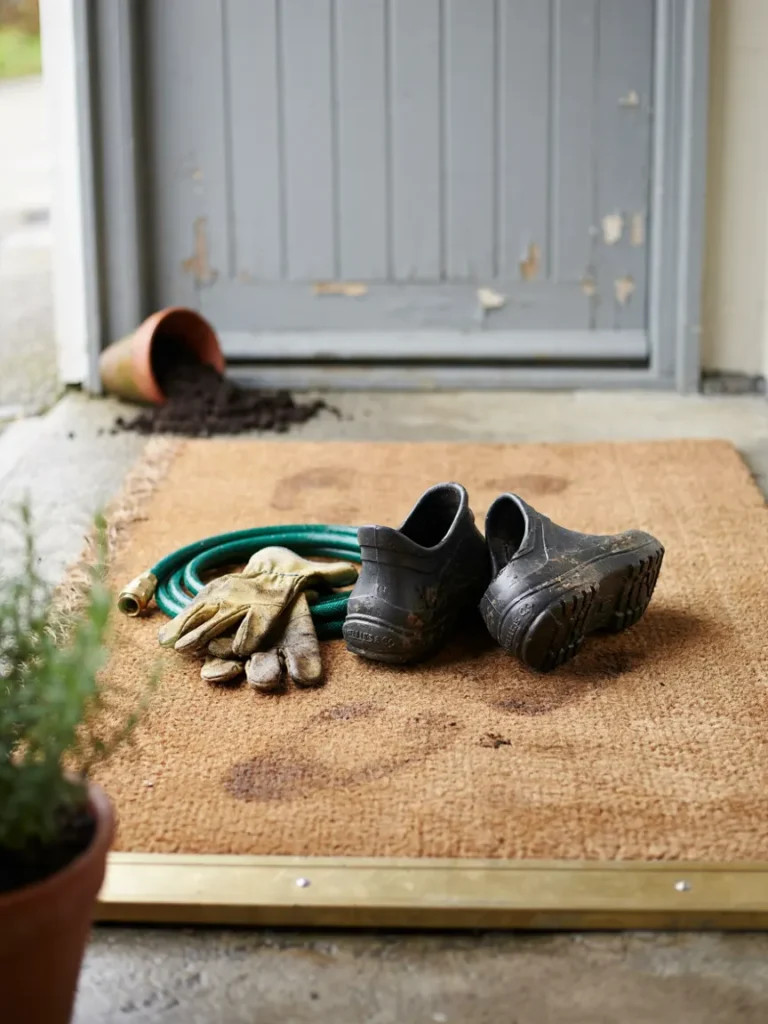
Most people underestimate footwear until their feet start hurting. Gardening involves a strange mix of standing still, kneeling, bending, and walking across uneven, often wet ground. Regular shoes were never designed for this combination, which is why a few Gardening Pun Jokes, Quotes can make a lighthearted break while you work outdoors.
Gardening clogs solve several problems at once. They slip on and off easily, which matters when you are constantly moving between the garden, the porch, and the house. They are typically made from waterproof materials, so puddles, hoses, and morning dew are not a concern. Many styles also feature a slightly raised sole that keeps your feet elevated above mud and standing water.
There is also a comfort factor that shouldn’t be overlooked. Traditional gardening clogs, particularly those made from molded rubber or EVA foam, provide a cushioned footbed that reduces fatigue during long stretches of standing or kneeling. Anyone who has worked a full day in the garden knows that foot fatigue creeps into your knees and lower back faster than you would expect.
The Practical Case for Switching to Clogs
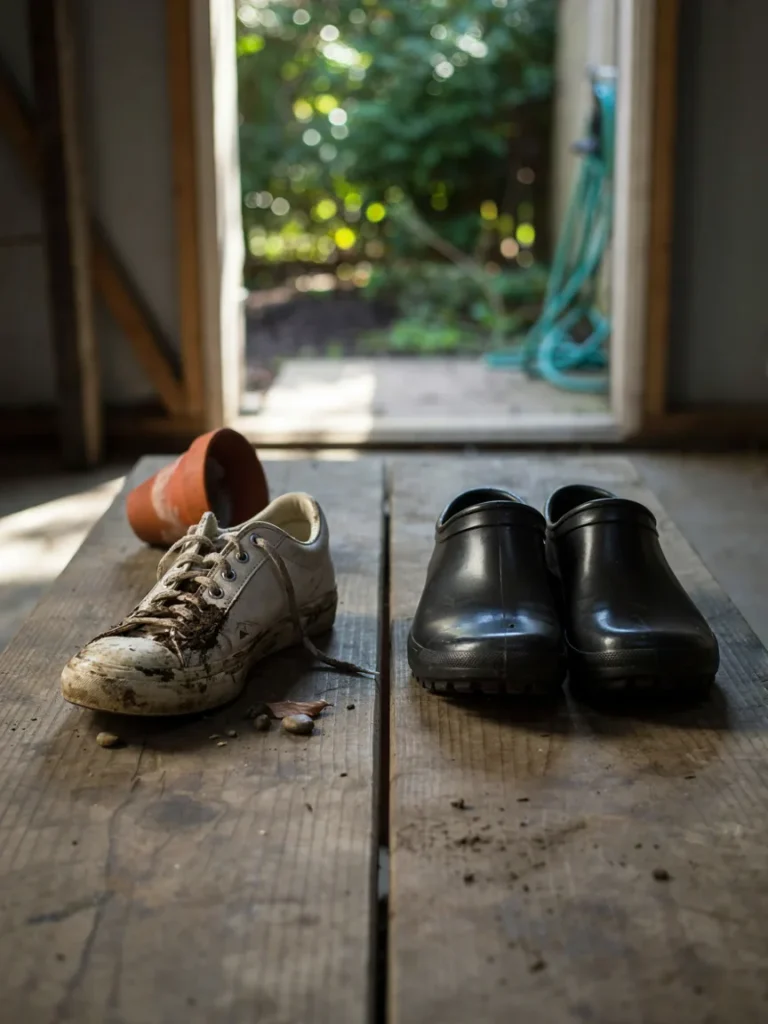
If you are still gardening in sneakers or old boots, here is what a proper pair of clogs typically offers that your current footwear does not:
- Quick on and off access without bending down to tie laces
- A wide, stable base that helps with balance on soft or sloped ground
- Waterproof exteriors that wipe clean in seconds
- Enough room to wear thicker socks in cooler months
- A durable sole that resists punctures from thorns, rocks, and garden debris
For gardeners who move in and out of a greenhouse, mudroom, or garage repeatedly throughout the day, this convenience adds up. You are far less likely to track mud through the house when your gardening clogs live by the back door and slip on in two seconds flat.
Rubber Gardening Clogs vs Dunlop Gardening Clogs: What is the Difference
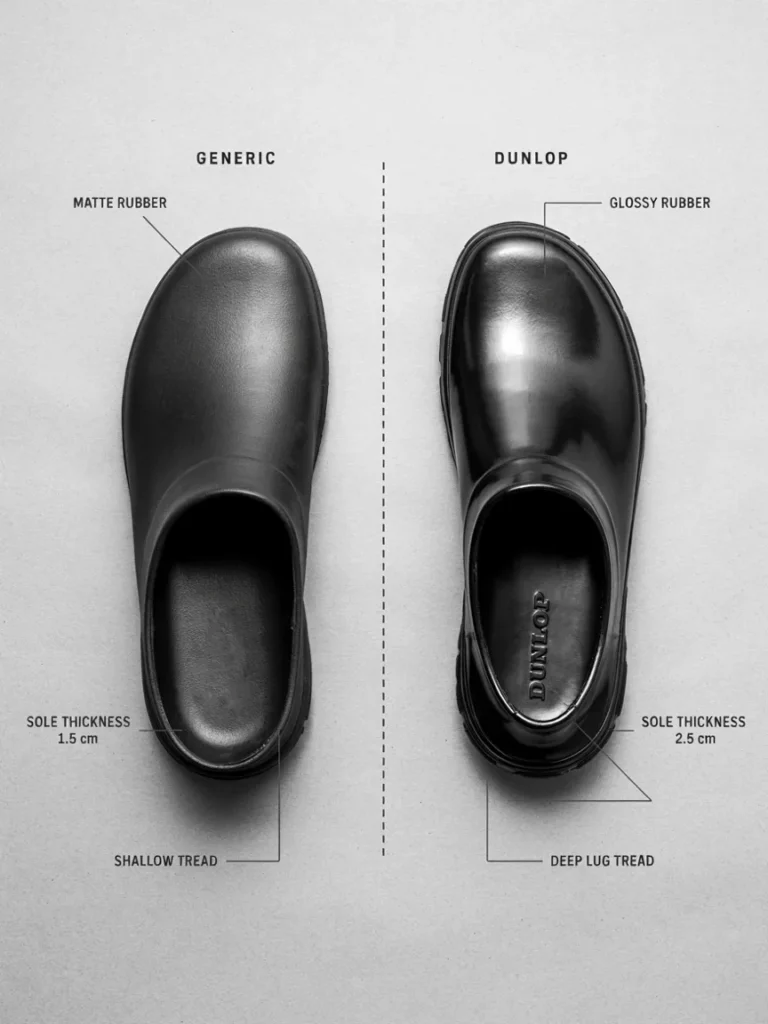
When people search for gardening footwear, two terms come up constantly: rubber gardening clogs and Dunlop gardening clogs. It helps to understand what separates them, since the terminology can be confusing for first time buyers.
Rubber gardening clogs are a general category. Any clog made primarily from natural or synthetic rubber falls under this umbrella. These clogs are prized for being completely waterproof, easy to hose off, and resistant to cracking in cold weather when the rubber compound is formulated well.
Dunlop gardening clogs refer specifically to a well known brand that has produced rubber work boots and clogs for decades. Dunlop built its reputation on durable, no frills rubber footwear originally designed for farm and industrial work, and the brand later became a familiar name in garden centers because the same qualities that make a boot good for a barnyard also make it good for a vegetable patch.
In practice, many gardeners treat “Dunlop” almost like a shorthand, the way people say “Kleenex” for tissues. Not every rubber clog is a Dunlop, but the name has become associated with the sturdy, all weather style of gardening footwear.
How to Choose Between the Two
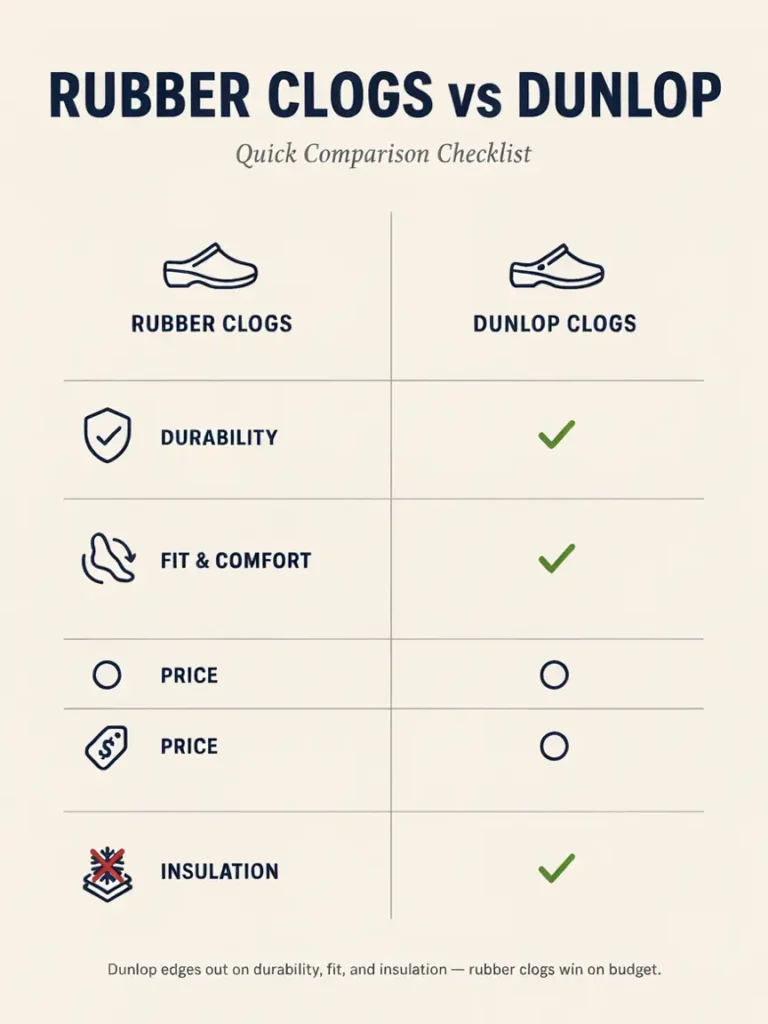
If you are comparing generic rubber gardening clogs against a recognized brand like Dunlop, consider these factors:
- Durability expectations. Branded rubber clogs often use thicker, higher grade rubber that resists cracking over multiple seasons.
- Fit consistency. Established brands tend to have more predictable sizing, which matters since clogs are usually worn without traditional lacing to adjust fit.
- Price point. Generic rubber clogs are usually less expensive upfront, which can be appealing if you only garden occasionally.
- Insulation options. Some Dunlop style clogs offer lined versions for cold weather gardening, while basic rubber clogs are often single layer.
Either option will keep your feet dry. The decision often comes down to how often you garden and how much you are willing to invest in footwear that will last through several seasons of kneeling, digging, and hosing off.
Italian Gardening Clogs and Japanese Gardening Shoes: A Global Perspective on Garden Footwear

Gardening footwear traditions vary quite a bit around the world, and two styles worth knowing about are Italian gardening clogs and Japanese gardening shoes.
Italian gardening clogs tend to lean into craftsmanship and design. Italy has a long tradition of leather and wood craftsmanship, and this shows up in garden clogs that often use a wooden or cork base paired with a leather or canvas upper. These clogs are frequently praised for their breathability compared to all rubber designs, since leather and canvas allow some airflow while the sole still protects against moisture and debris. Gardeners who spend long hours outside in warmer climates often prefer this style because their feet do not get as hot as they might in a fully enclosed rubber clog.
Japanese gardening shoes, often called jika tabi, take a completely different approach. These are split toe shoes, meaning the big toe is separated from the other toes, similar to a mitten for your foot. This design actually improves balance and grip, which matters a great deal when working on slopes, climbing ladders to prune trees, or navigating uneven terrain like rice paddies or hillside gardens. Japan’s tabi typically have a flexible rubber sole and a canvas or cotton upper, making them lightweight and close fitting compared to bulkier Western style clogs.
Why These Styles Are Gaining Popularity Elsewhere
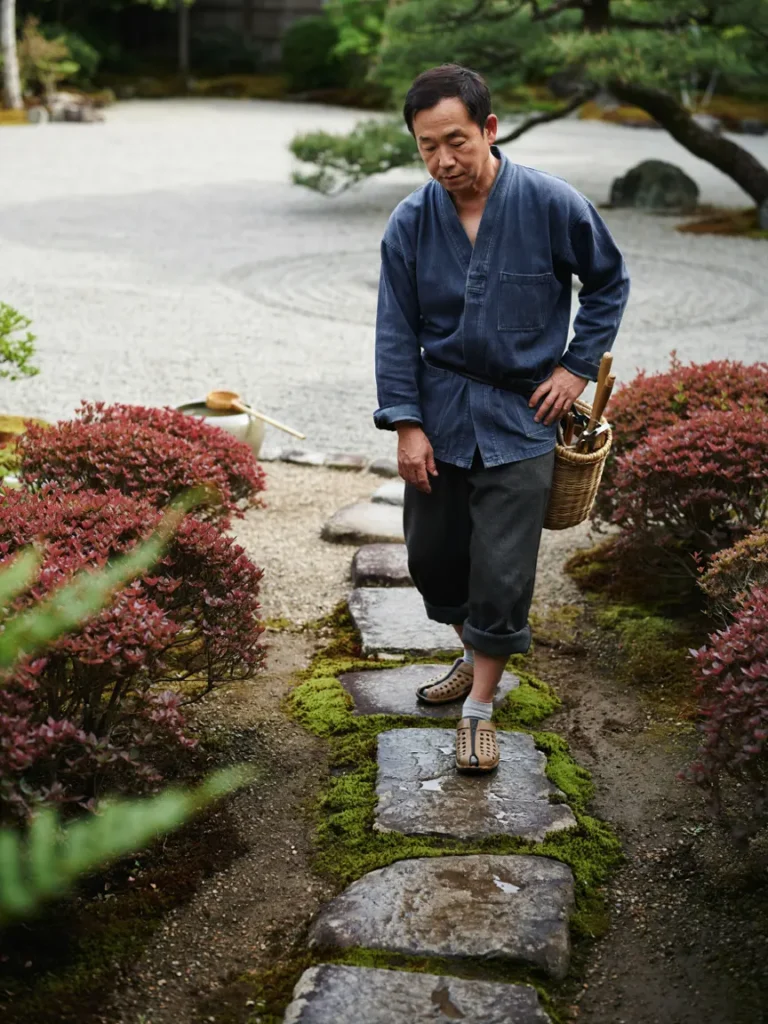
Gardeners outside Italy and Japan have started seeking out these styles for a few reasons:
- The split toe design of Japanese gardening shoes offers better ground feel and stability than a standard clog, which some gardeners find improves their footing during detailed tasks like pruning or transplanting.
- Italian gardening clogs often look more like fashionable footwear, appealing to gardeners who want something they would not mind being seen in if a neighbor stops by.
- Both styles tend to be lighter than rubber clogs, which reduces fatigue during long gardening sessions.
If you are choosing between a traditional rubber clog and one of these international styles, think about your climate and the type of gardening you do most. Rubber remains the better choice for consistently wet or muddy conditions, while Italian and Japanese styles shine in drier climates or for gardeners who prioritize agility and breathability over total waterproofing.
Building the Complete Gardening Outfit Around Your Clogs
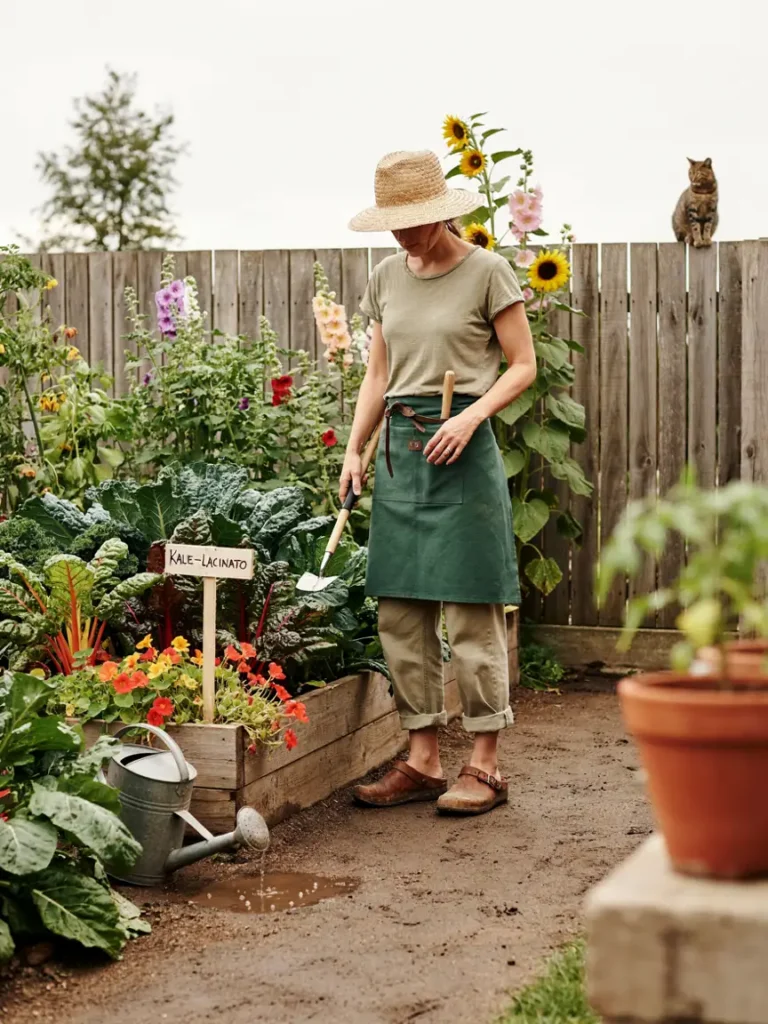
Gardening clogs work best as part of a full system of protective, comfortable clothing. Once your feet are sorted, it is worth thinking about the rest of your gardening wardrobe.
Gardening Sleeves for Arm Protection
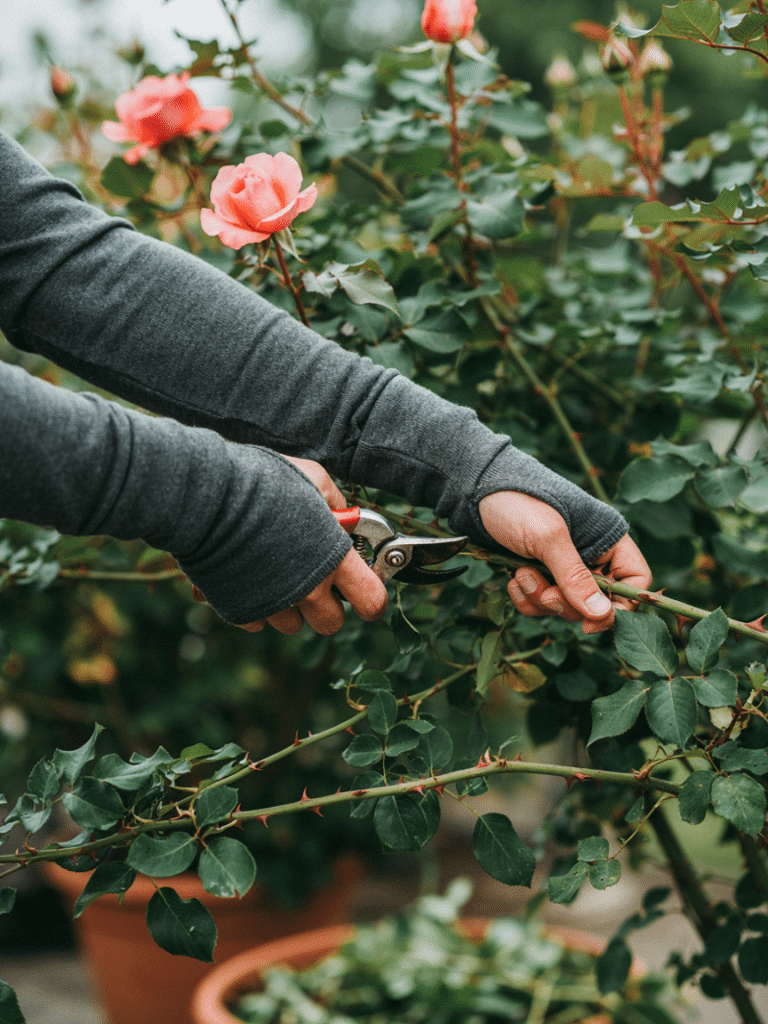
Gardening sleeves are often overlooked, but anyone who has come inside covered in scratches from rose bushes or blackberry canes understands their value immediately.
These are typically stretchy, breathable arm covers that slide on over your forearms, protecting skin from thorns, sun exposure, and irritating plants like poison ivy. They pair naturally with gardening clogs because both items solve the same basic problem: protecting exposed skin without sacrificing mobility.
Gardening T Shirt and Gardening Trousers
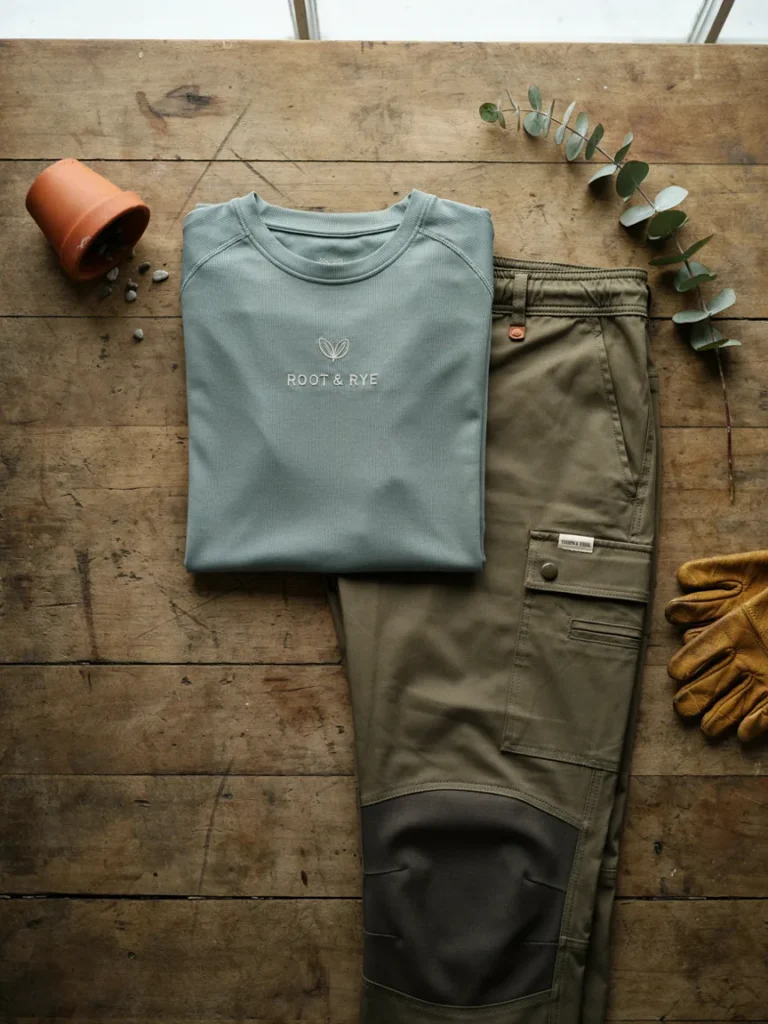
A good gardening t shirt is usually made from a breathable, moisture wicking fabric that holds up to repeated washing and the occasional grass stain. Look for a slightly looser fit that allows for bending and reaching without restriction.
Gardening trousers, meanwhile, tend to feature reinforced knees, which matter enormously if you spend any time kneeling in beds. Many gardening trousers also include extra pockets for pruners, gloves, or plant tags, saving you repeated trips back to the shed.
Aprons: DIY, Canvas, and Women’s Styles
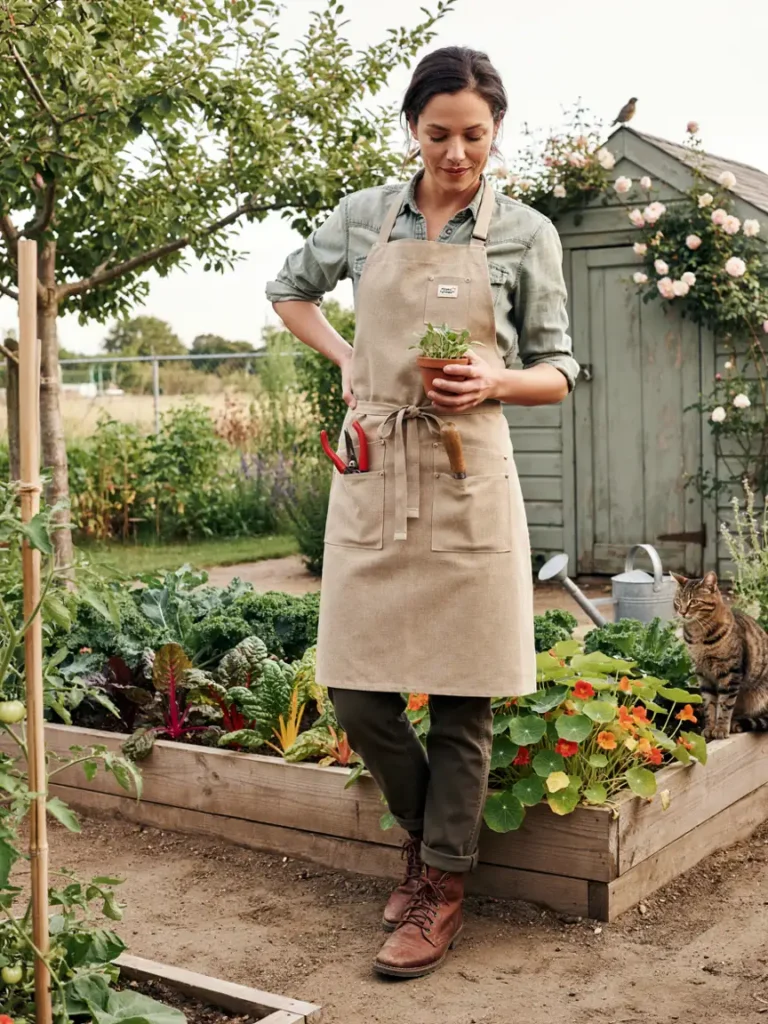
An apron adds another layer of protection and convenience. A DIY gardening apron can be made from a heavy canvas drop cloth, a few sturdy pockets, and some webbing straps, making it an affordable weekend project for anyone handy with a sewing machine.
If you would rather buy one ready made, canvas gardening aprons are popular because the material is tough enough to resist tearing from garden tools while still being comfortable to wear for hours.
Women’s gardening aprons are increasingly designed with a more tailored fit, since standard unisex aprons can be bulky or ill fitting for smaller frames. These often include adjustable straps and a shaped waist to prevent the apron from sliding or bunching during movement.
Smocks, Overalls, and Bib Styles

A gardening smock with pockets offers a lighter alternative to a full apron, typically pulled on over the head like a loose shirt with several large front pockets for tools and harvested vegetables. Smocks are especially popular among gardeners who want pocket storage without the bulk of a full apron.
For gardeners who want maximum coverage, gardening overalls Duluth style have become something of a favorite. Duluth Trading Company built a reputation on durable workwear, and their gardening overalls typically feature reinforced fabric, generous pockets, and a fit designed to move with you rather than restrict you.
Duluth women’s gardening overalls specifically address the common complaint that most overalls are cut for a male frame, offering a fit that accounts for curves and providing a more comfortable range of motion.
Heirloom gardening bib overalls, including women’s heirloom gardening bib overalls, take a slightly more classic or vintage inspired approach to design, often featuring a timeless silhouette with practical modern updates like reinforced stitching and multiple tool pockets. These are popular among gardeners who want workwear that feels a little more considered than a basic utility garment.
Hats and Sun Protection
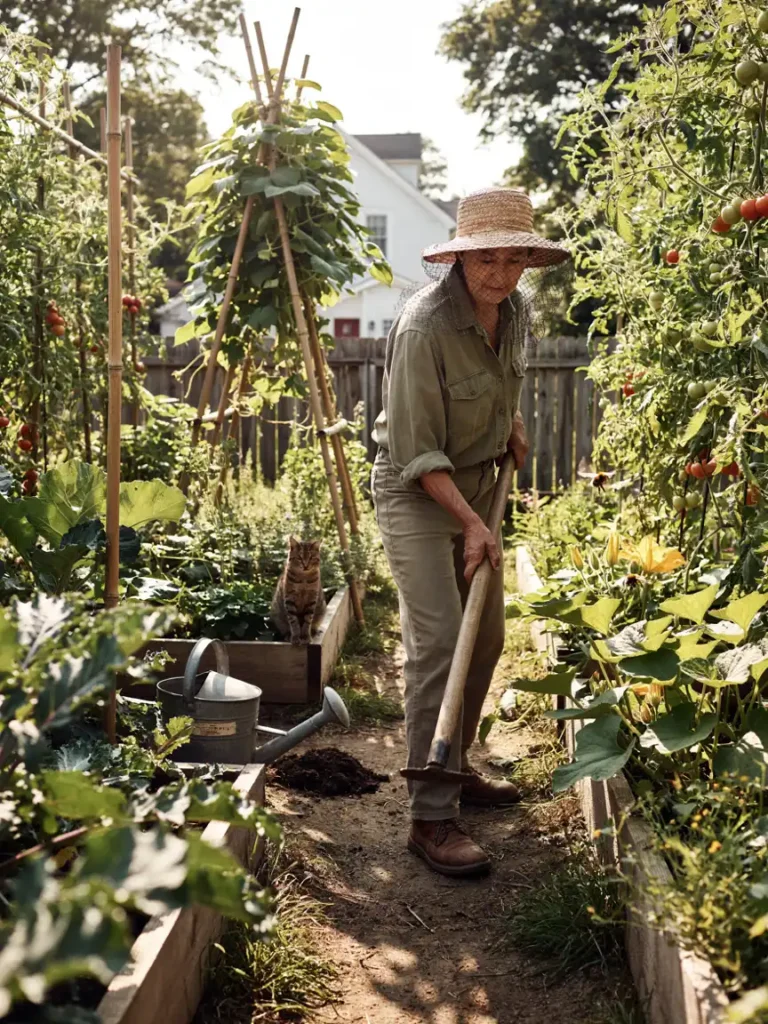
Rounding out the outfit, a gardening hat with netting deserves a mention, particularly for anyone gardening in areas with heavy mosquito or gnat populations during warmer months.
These hats combine standard sun protection with a mesh veil that keeps insects away from your face and neck, which can make the difference between an enjoyable hour in the garden and a miserable one spent swatting bugs.
Japanese Gardening Clothes: A Closer Look at a Thoughtful Tradition
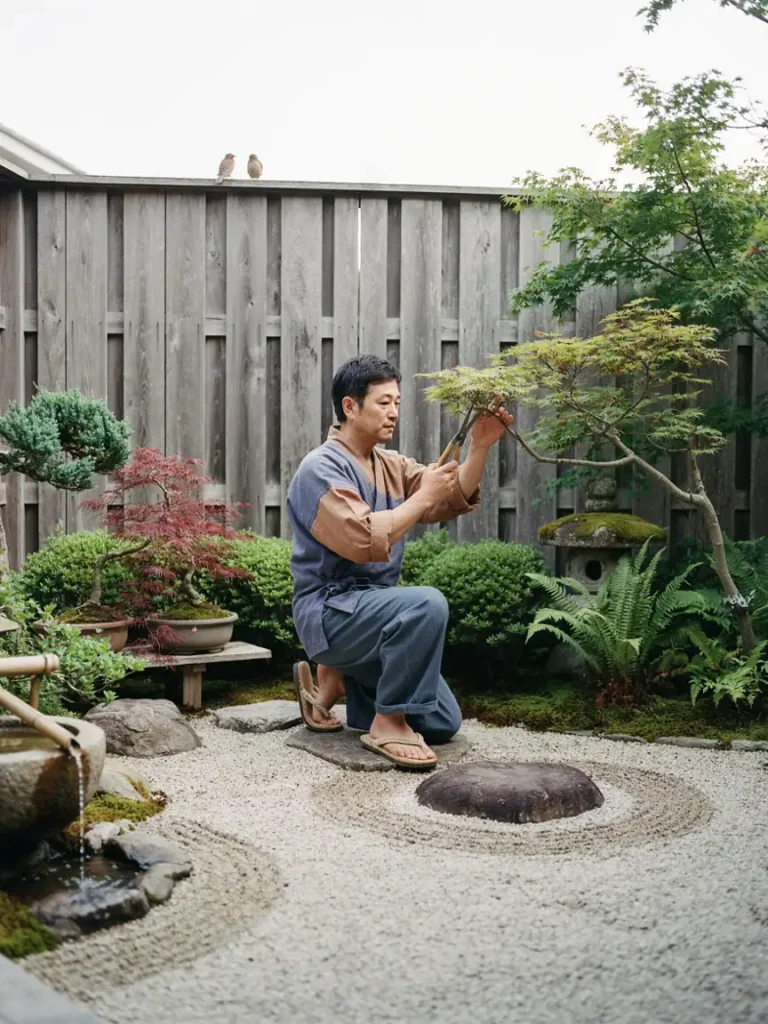
Beyond footwear, Japanese gardening clothes as a whole reflect a broader philosophy about garden work. Traditional Japanese work attire tends to prioritize loose, breathable layers that allow full range of motion, paired with practical details like reinforced knees and drawstring waists that can be adjusted throughout the day as temperatures change.
Many of these garments use natural fibers like cotton, which breathe well in humid conditions and become softer and more comfortable with repeated washing. The color palette also tends to favor muted, earthy tones, both for practicality since dirt and stains show less, and for a certain visual harmony with the garden itself.
If you are drawn to this style, look for loose fitting cotton work pants, a simple long sleeve top for sun protection, and, if you want to go all in, a pair of jika tabi to complete the look. The overall effect is clothing that disappears into the background of your gardening experience rather than fighting against your movements.
How to Choose the Right Gardening Clogs for Your Needs
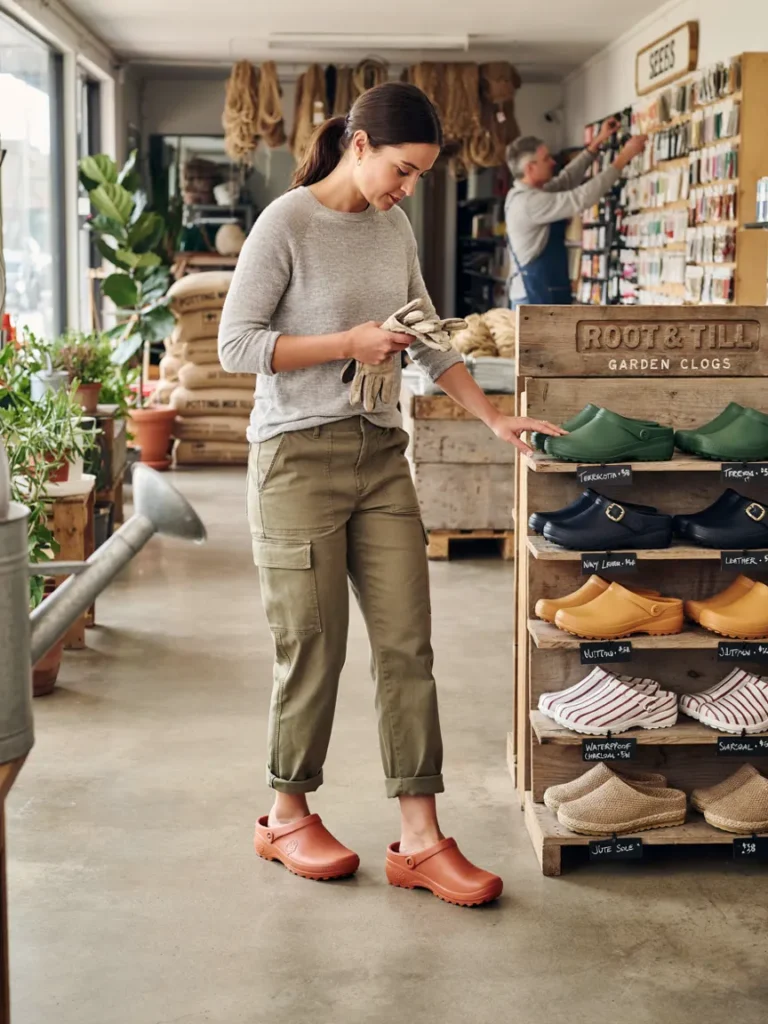
With so many options available, from rubber to leather to split toe designs, choosing the right pair comes down to a few practical questions.
Consider Your Climate First
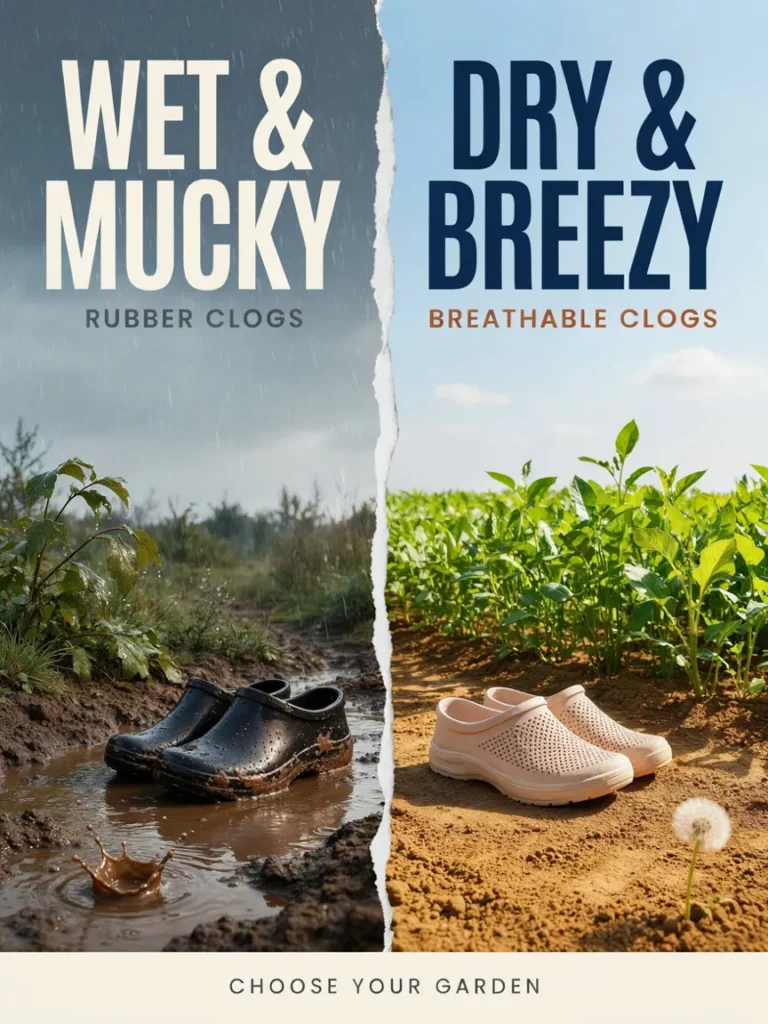
If you garden in a region with frequent rain or you regularly water by hand, waterproof rubber clogs or Dunlop style boots are worth the investment. Gardeners in drier, warmer climates may find more comfort in breathable Italian style clogs or lightweight Japanese gardening shoes, since these allow better airflow and prevent overheating.
Think About Your Typical Gardening Tasks

Someone who spends most of their time kneeling in raised beds has different needs than someone managing a large vegetable plot that requires constant walking between rows. For kneeling heavy work, a cushioned footbed matters most. For gardeners who walk long distances across their property, a lighter shoe with good arch support will reduce fatigue more effectively than a heavier rubber clog.
Get the Sizing Right
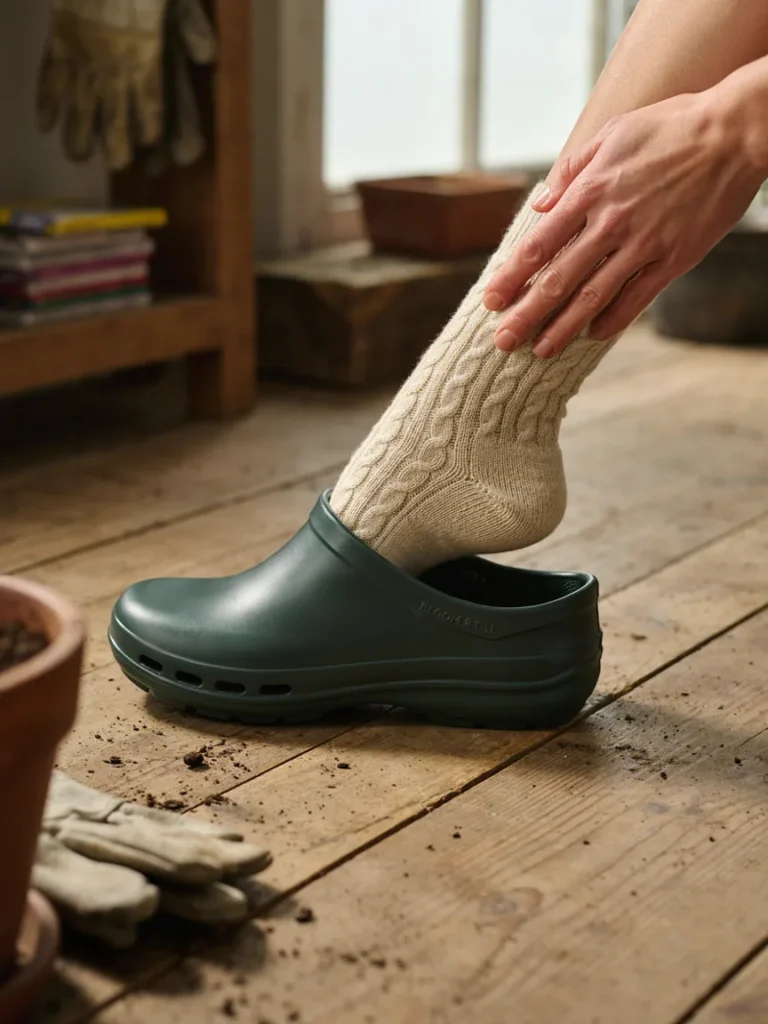
Since most gardening clogs slip on without laces, sizing is critical. A clog that is too loose will slip off during bending or kneeling, while one that is too tight will cause blisters within an hour. Many brands recommend sizing up slightly if you plan to wear thicker socks, particularly for cooler weather gardening.
Check the Sole Material
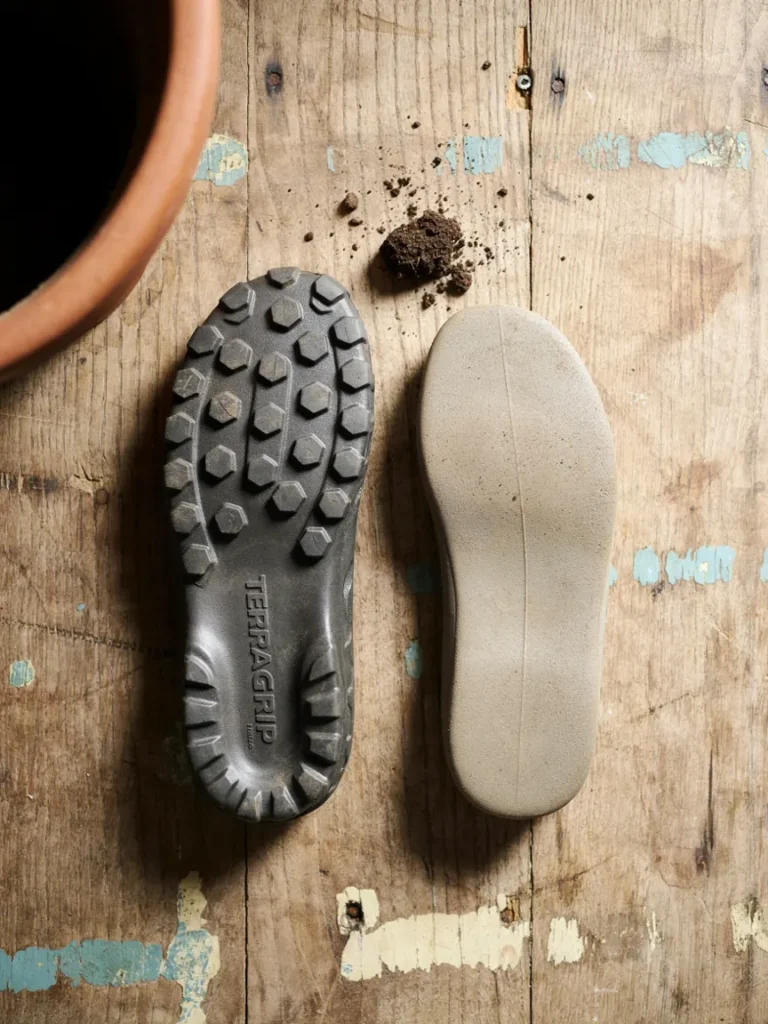
Not all soles are created equal. Look for a sole with decent tread depth if you garden on sloped or uneven terrain, since a smooth sole can become dangerously slippery on wet grass or muddy paths. A slightly elevated heel can also help keep your foot dry when walking through shallow puddles or recently watered beds.
Caring for Your Gardening Clogs to Make Them Last
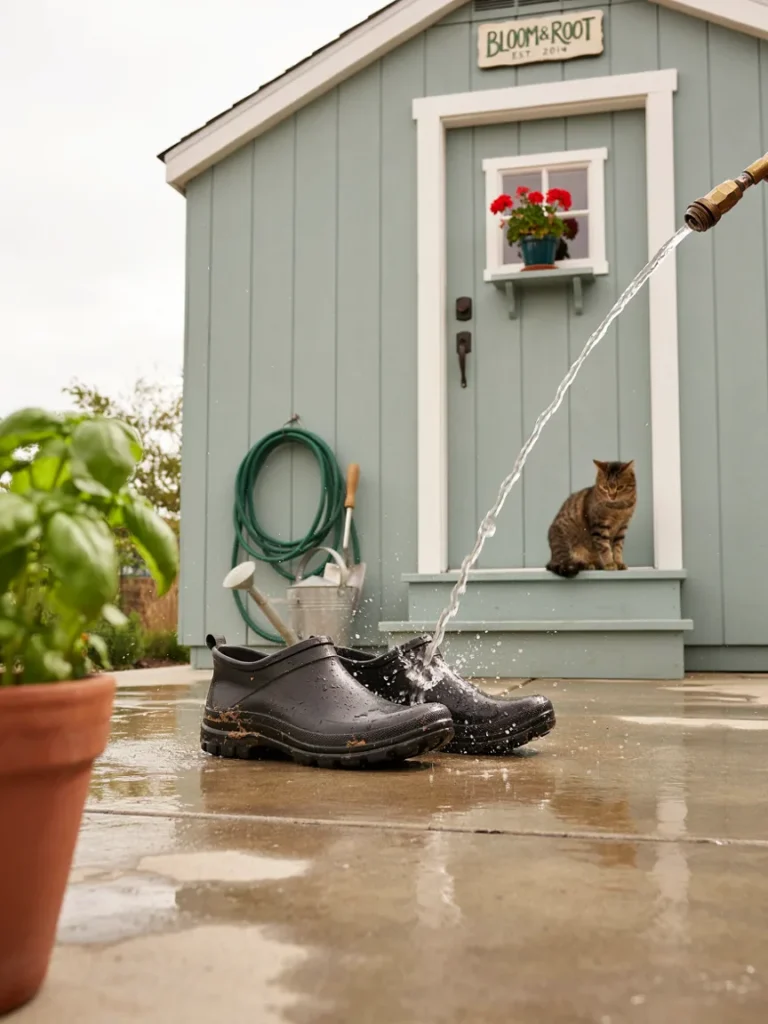
A quality pair of gardening clogs should last multiple seasons if cared for properly. Rubber clogs are the easiest to maintain since they can typically be hosed off and left to air dry. Avoid leaving rubber clogs in direct sunlight for extended periods, as UV exposure can cause the material to become brittle over time.
Leather or canvas clogs, like many Italian styles, require slightly more care. Wipe off dirt and debris after each use, and apply a leather conditioner periodically to prevent the material from drying out and cracking. Canvas uppers should be allowed to dry fully before storage to prevent mildew, especially if you garden in a humid climate.
Japanese jika tabi and other canvas based gardening shoes benefit from occasional hand washing, though you should always check manufacturer guidance since some rubber sole adhesives do not hold up well to machine washing.
Regardless of material, store your gardening clogs in a well ventilated spot rather than a sealed bin or closed cabinet. Trapped moisture is the fastest way to encourage mold, mildew, and unpleasant odors, none of which do your footwear any favors.
Common Mistakes Gardeners Make When Buying Clogs
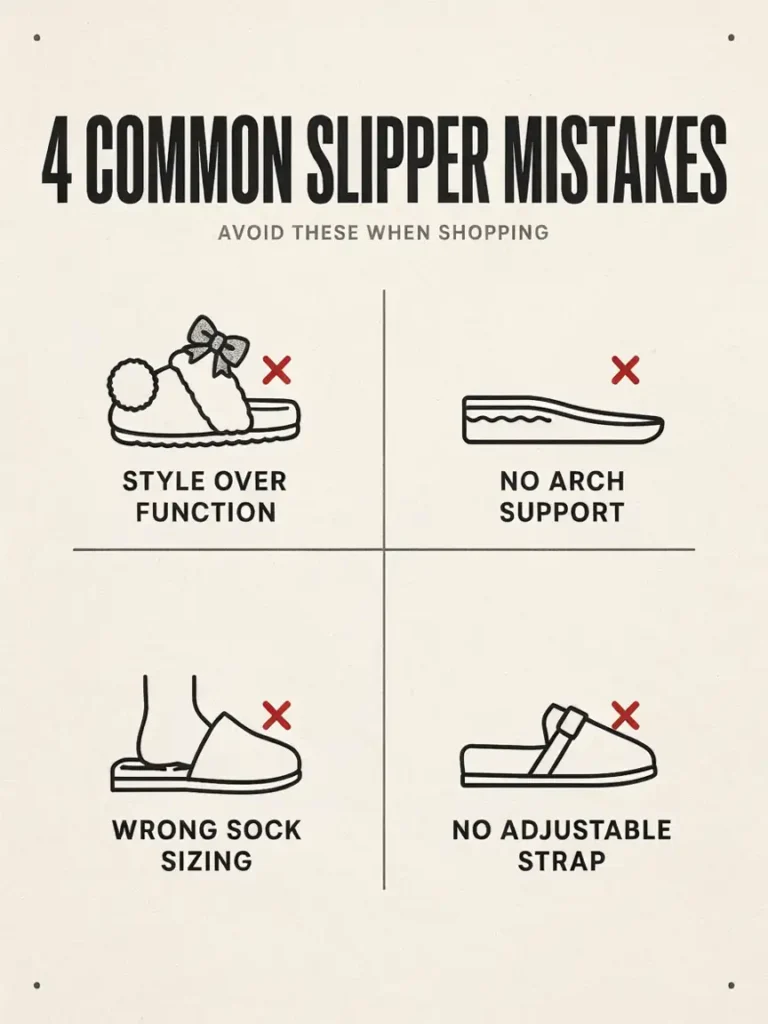
Even experienced gardeners sometimes get their footwear choices wrong. Knowing the common pitfalls ahead of time can save you money and discomfort.
Buying Based on Looks Alone
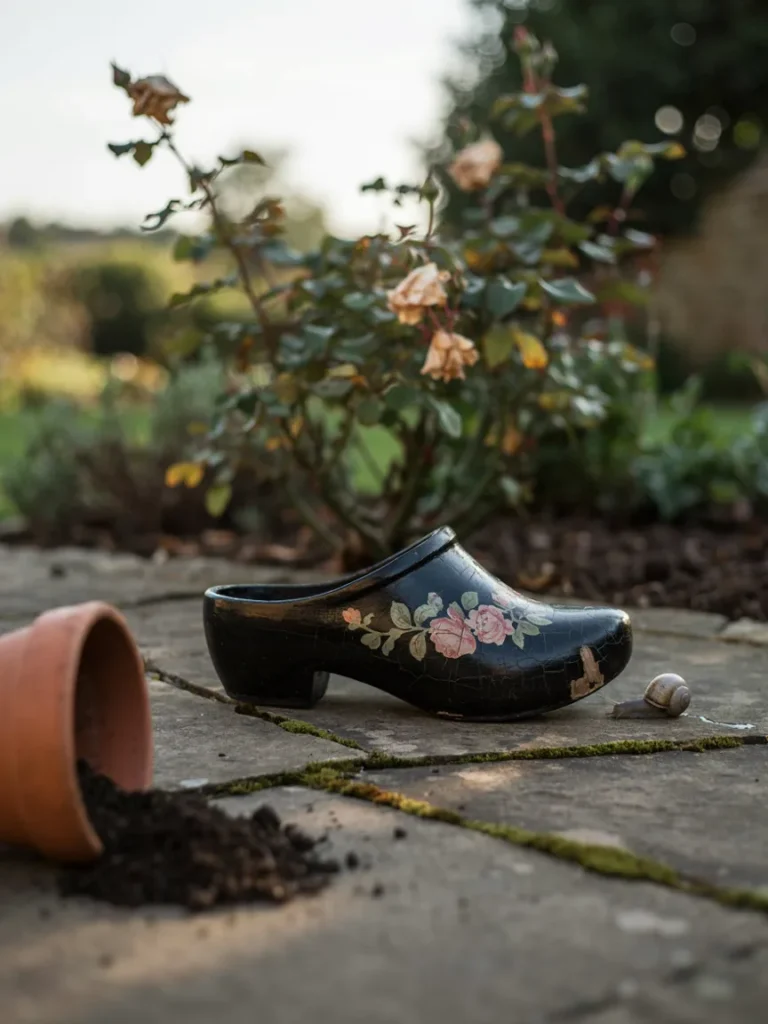
It is tempting to choose a clog because it comes in a nice color or matches your existing garden aesthetic. Style matters, but function should come first. A beautiful clog that lets water seep in around the edges or lacks any tread will leave you disappointed the first time you use it in real conditions.
Ignoring Arch Support
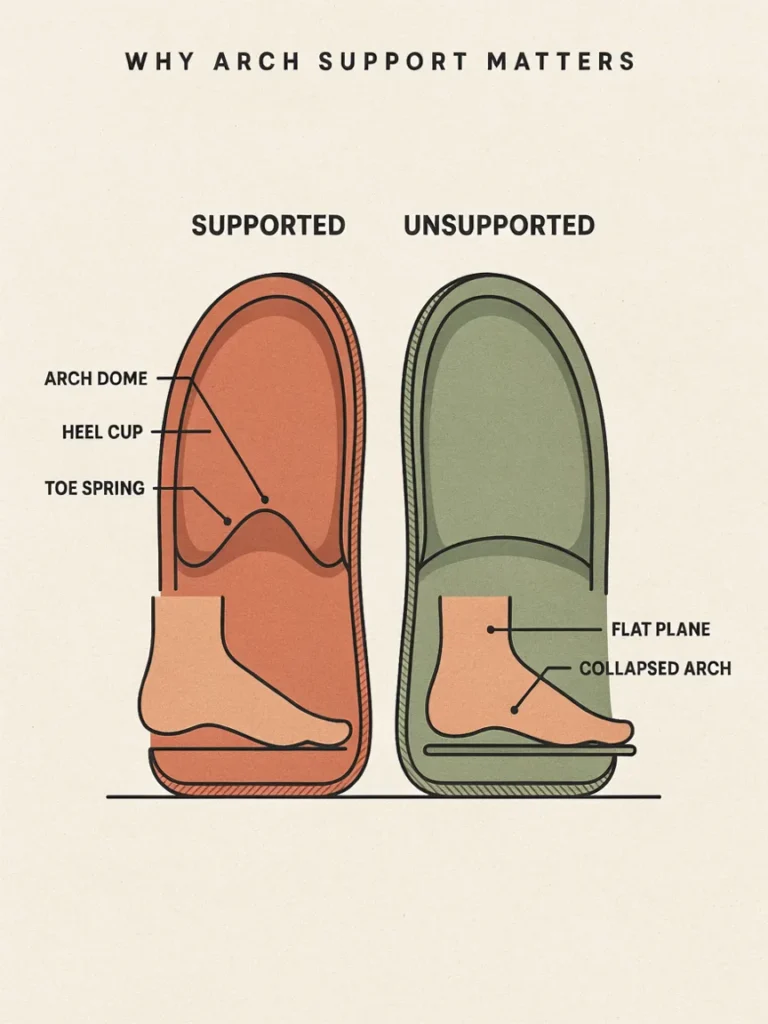
Many budget clogs skip meaningful arch support entirely, relying on a flat footbed that feels fine for the first ten minutes and painful after an hour. If you already deal with foot or lower back issues, look specifically for gardening clogs that mention contoured or supportive footbeds rather than assuming all clogs are built the same.
Choosing the Wrong Size for Sock Thickness
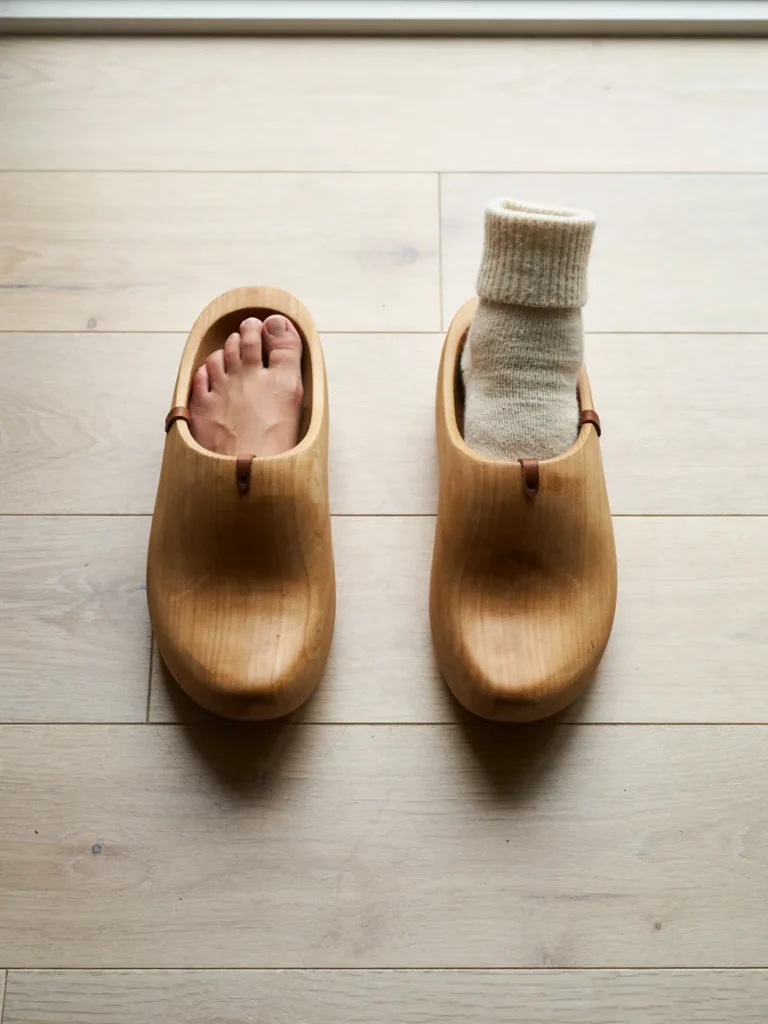
A clog that fits perfectly with bare feet in a summer garden center might feel uncomfortably tight once you add a pair of wool socks for cooler weather gardening. If you plan to garden across multiple seasons, try your clogs on with the type of socks you will actually wear during colder months, or consider sizing up slightly to accommodate that extra layer.
Overlooking the Closure Style
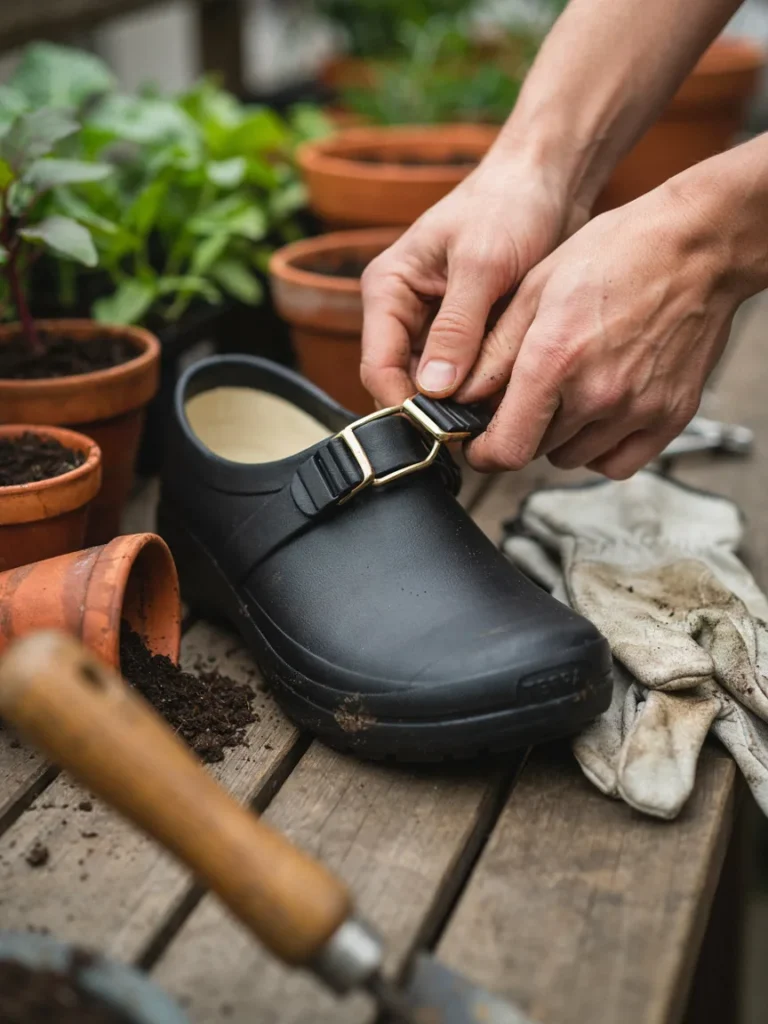
Some gardening clogs feature an adjustable strap across the top of the foot, while others are a simple slip on design with no adjustment at all. If you have a narrow or wide foot, an adjustable strap can make a significant difference in fit and prevent the clog from slipping off during active work like digging or hauling.
Sustainable and Budget Friendly Gardening Clog Options
Not every gardener wants or needs a premium pair of imported clogs. Fortunately, there are budget conscious and environmentally mindful options worth considering.
Recycled Rubber Clogs
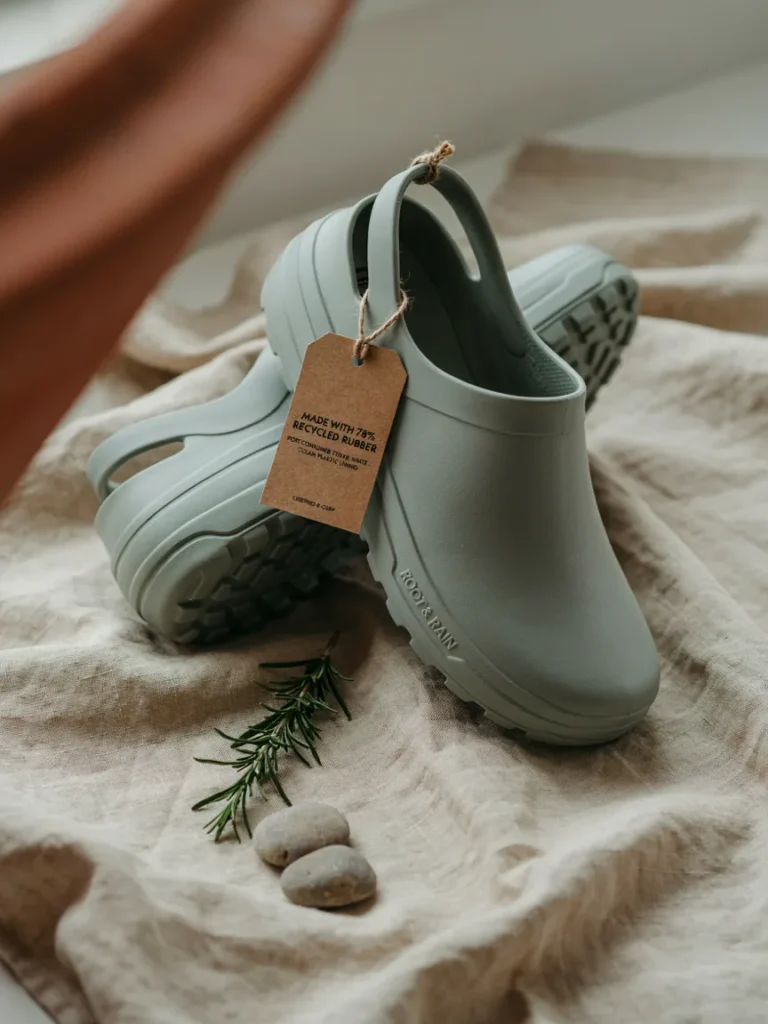
Some manufacturers now produce gardening clogs from recycled rubber material, reducing waste while still delivering the waterproof performance gardeners expect. These options are worth seeking out if sustainability factors into your purchasing decisions, and the performance difference compared to virgin rubber is often minimal.
Secondhand and Hand Me Down Options
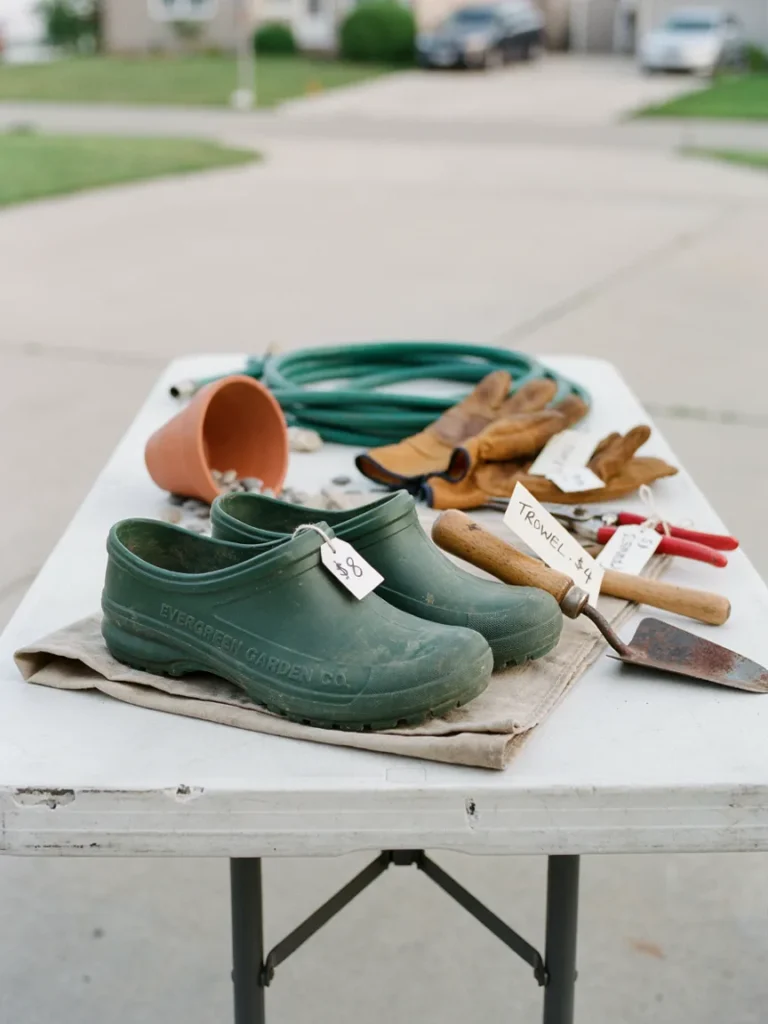
Because gardening clogs are typically slip on and easy to clean, they hold up reasonably well secondhand, provided the tread is not worn smooth and there are no cracks in the material. Checking local marketplace listings or asking gardening friends if they have an old pair gathering dust can be a practical way to try out clogs before committing to a new pair.
DIY Waterproofing for Canvas Styles
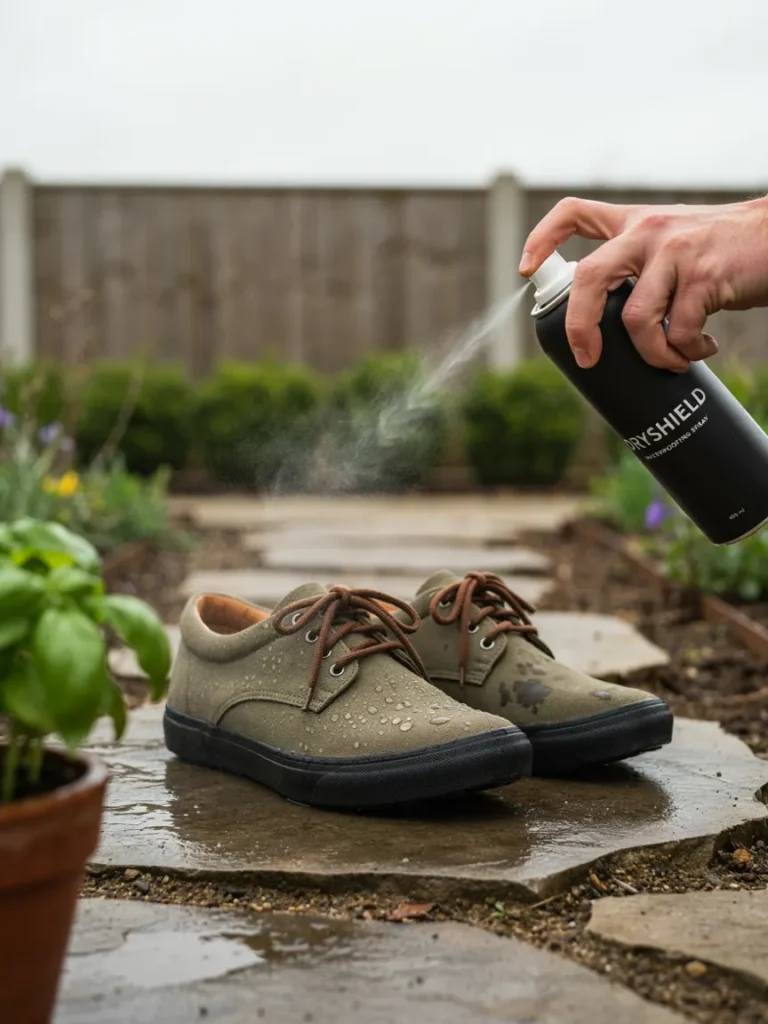
If you already own a pair of canvas based gardening shoes and want to extend their usefulness into wetter conditions, a simple fabric waterproofing spray can add a surprising amount of protection. This will not match the performance of true rubber clogs, but it can bridge the gap for gardeners who primarily deal with morning dew or drizzle rather than standing water.
Seasonal Considerations for Garden Footwear
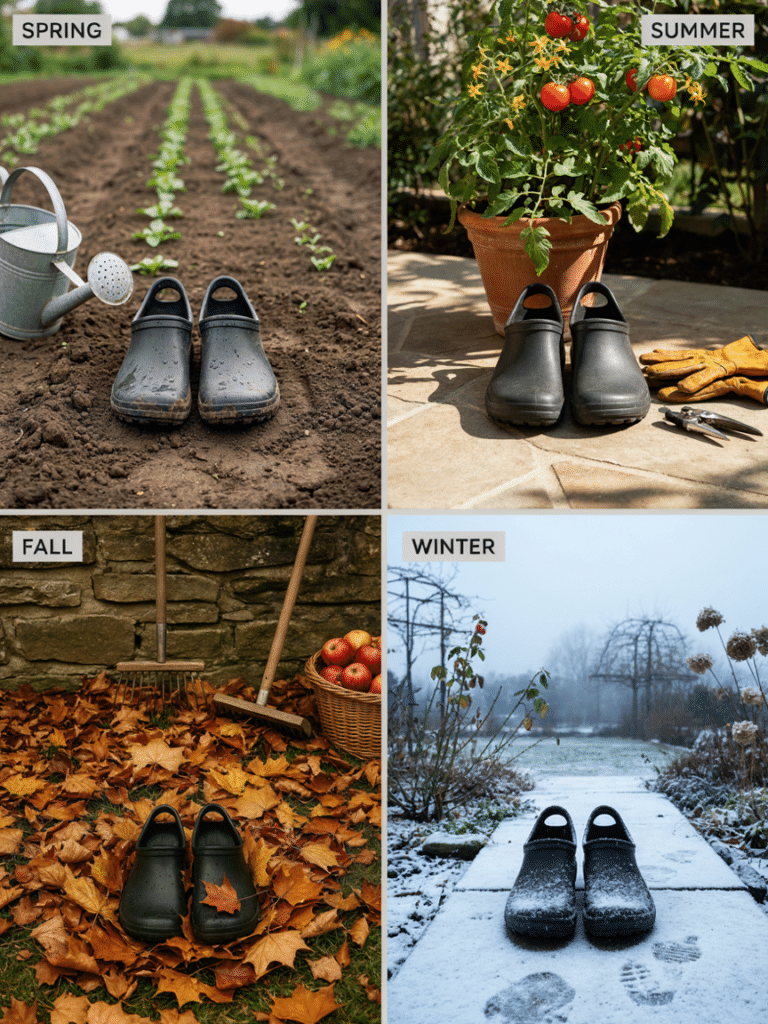
Your ideal pair of gardening clogs may change depending on the time of year, and thinking seasonally can help you avoid buying a single pair that tries to do everything and ends up doing nothing particularly well.
Spring Gardening

Spring often means the muddiest conditions of the year as snow melts and rain becomes more frequent. This is when fully waterproof rubber clogs or Dunlop style boots earn their keep, keeping your feet dry through saturated soil and standing puddles.
Summer Gardening
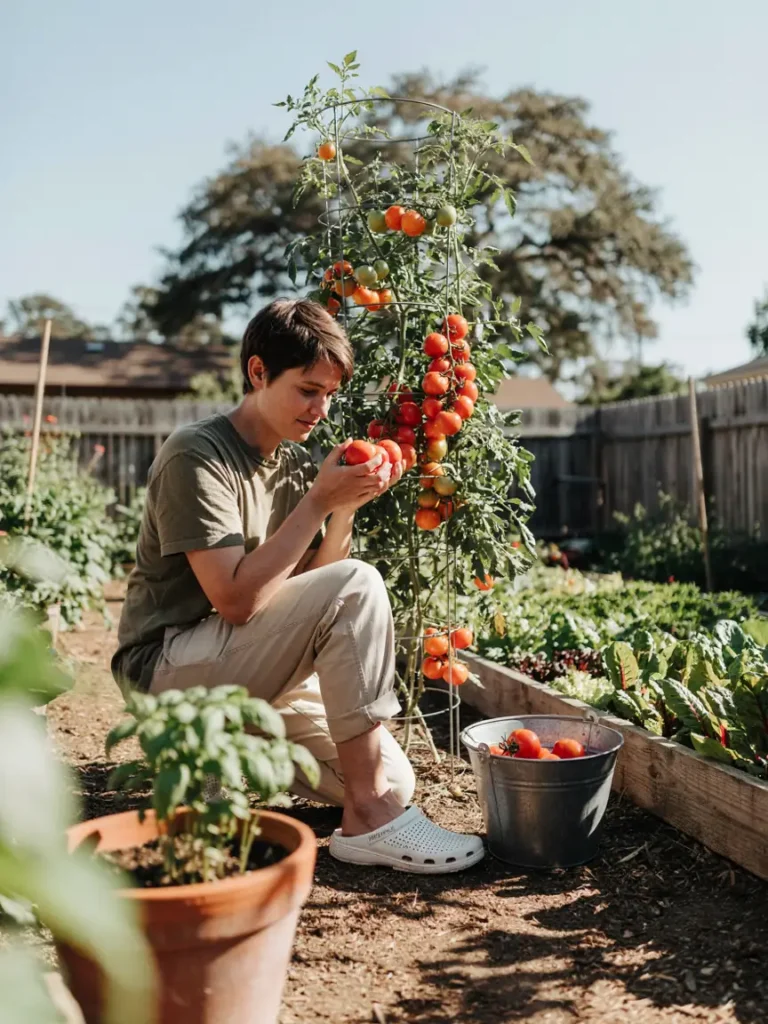
As temperatures rise, breathability becomes more important than total waterproofing for most gardeners. This is where lighter Italian style clogs or Japanese gardening shoes shine, allowing airflow during long hours of weeding and harvesting under the sun.
Fall Gardening
![A gardener wearing clogs while raking fallen leaves and clearing garden beds in autumn colors.]](https://stylishhomecorner.com/wp-content/uploads/2026/09/A-gardener-wearing-clogs-while-raking-fallen-leaves-and-clearing-garden-beds-in-autumn-colors-768x1024.webp)
Fall gardening tasks like clearing beds and planting bulbs often involve a mix of dry days and sudden rain. A versatile rubber clog with enough room for a light sock layer tends to handle this transitional season well.
Winter Gardening
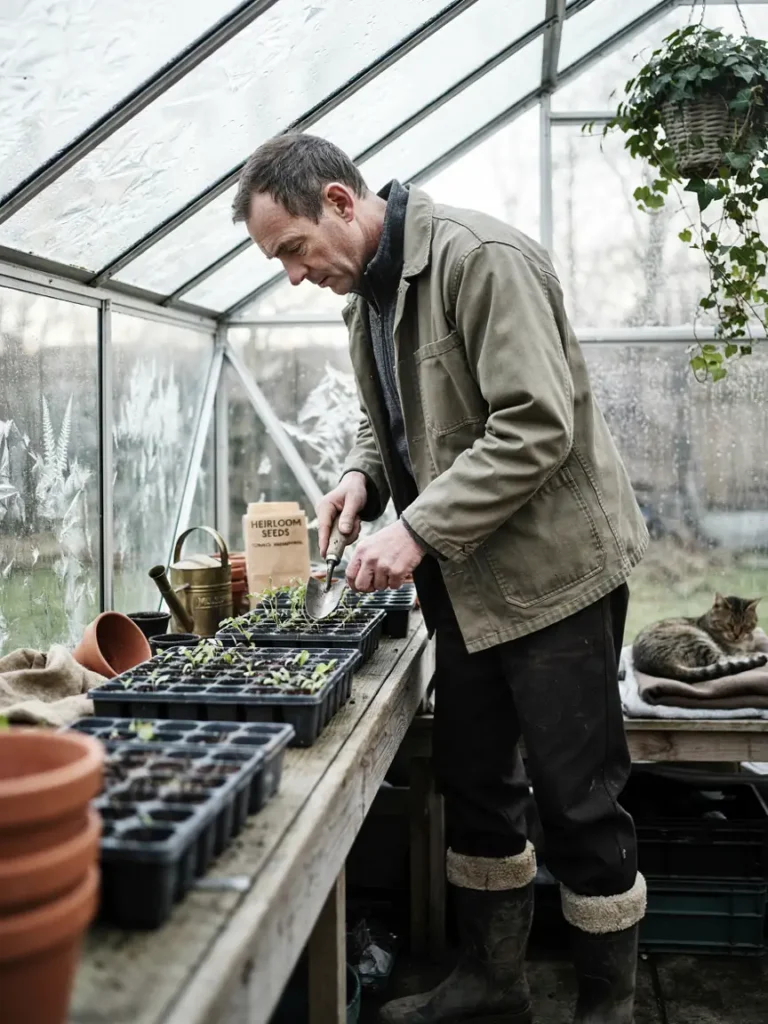
For gardeners who continue tending greenhouses or cold frames through winter, insulated rubber clogs or lined boots become essential. Look for styles specifically marketed as insulated or lined, since a standard summer clog will leave your feet cold quickly once temperatures drop.
Frequently Asked Questions About Gardening Clogs
What makes gardening clogs different from regular garden shoes?
Gardening clogs are specifically designed for quick on and off wear, waterproof protection, and comfort during long periods of standing or kneeling. Unlike regular shoes, they typically lack laces, feature a slightly raised sole, and use materials like rubber or EVA foam that resist water and mud far better than standard sneakers.
Are Dunlop gardening clogs worth the extra cost compared to generic rubber clogs?
For gardeners who spend significant time outdoors each week, Dunlop gardening clogs are generally considered a worthwhile investment because of their durability and consistent sizing. Occasional gardeners may find that a generic rubber clog offers similar short term performance at a lower price point.
Can I wear gardening clogs for tasks other than gardening?
Yes. Many people use gardening clogs for general yard work, dog walking in muddy conditions, or quick outdoor errands where waterproof, slip on footwear is convenient. Their durability and easy cleaning make them useful well beyond the vegetable patch.
How do I know if I need Italian style clogs versus rubber clogs?
If you garden in wet, muddy conditions regularly, rubber clogs will serve you better due to full waterproofing. If your climate is drier and you prioritize breathability and a lighter feel, Italian gardening clogs made from leather or canvas over a wooden or cork base may be more comfortable for extended wear.
What should I pair with my gardening clogs for a complete outfit?
A well rounded gardening outfit typically includes breathable gardening trousers or overalls, a moisture wicking gardening t shirt, gardening sleeves for arm protection, and a wide brimmed hat, sometimes with netting if insects are an issue. A canvas or DIY apron adds extra pocket storage for tools and harvested produce.
Conclusion
Gardening should feel restorative, not like a chore that leaves you sore and frustrated. The right pair of gardening clogs, whether that means a sturdy rubber option, a Dunlop classic, a breathable Italian design, or traditional Japanese gardening shoes, makes a real difference in how long you can comfortably work outside and how much you enjoy doing it.
Pairing your clogs with thoughtful additions like gardening sleeves, a well fitted apron, or a pair of Duluth women’s gardening overalls rounds out an outfit that lets you focus on your plants instead of your discomfort. Take some time to assess your climate, your typical gardening tasks, and your personal comfort preferences before choosing your next pair.
If you have not upgraded your gardening footwear in a while, now is a great time to start. Try on a few styles, pay attention to how they feel during actual kneeling and bending motions rather than just standing in a store, and choose the pair that lets you get back to doing what you love, growing things, without your feet getting in the way.