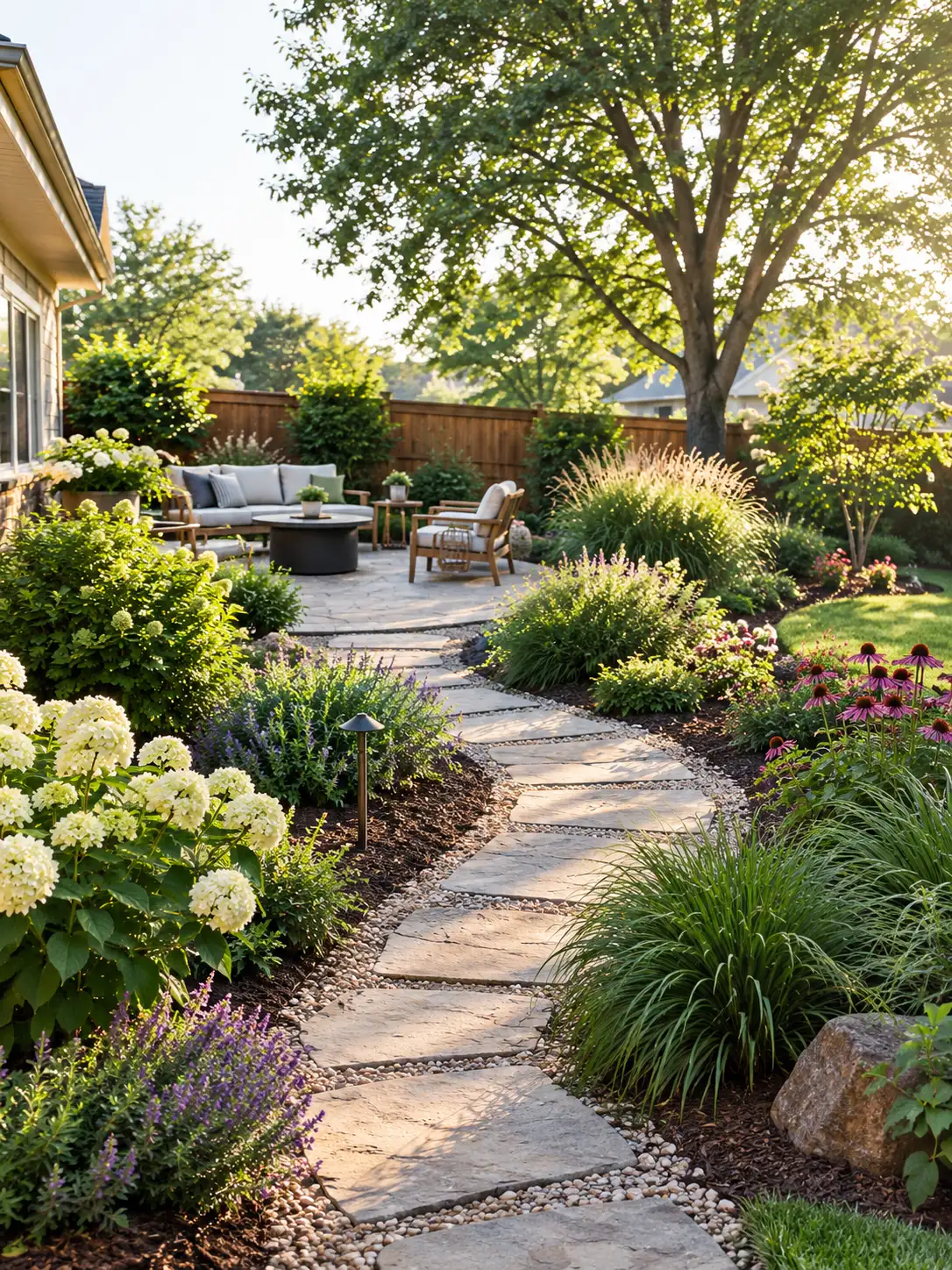
Landscape gardening is the art of shaping your yard so it looks good, works well, and stays healthy through every season. It mixes plants, soil, stone, water, and light into one plan. If you have ever stared at a bare patch of dirt, or at a garden that got out of hand, you are in the right place.
Many homeowners think landscaping and gardening are two separate jobs. In real life, landscaping and gardening work best as a team. Landscaping gives your yard its bones, like paths, patios, and beds. Gardening fills those bones with living plants. This guide shows you how to bring both together.
You will learn how to plan a project, read your soil and sun, pick the right plants, add hardscape, cut your workload, and care for your yard all year. You will also get budget tips, common mistakes to avoid, and answers to questions people ask most. Let’s dig in.
What Is Landscape Gardening?
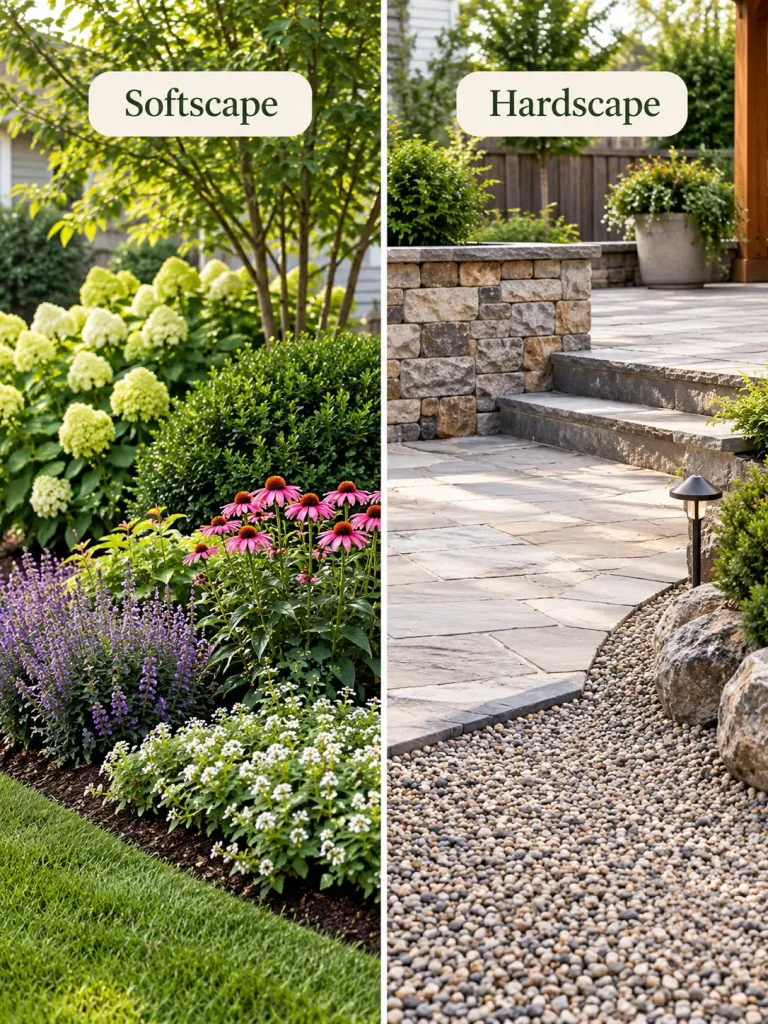
Landscape gardening is the practice of designing and growing outdoor spaces with both living and non living elements. It combines plant choices (called softscape) with built features (called hardscape) to create a yard that is beautiful and useful. Incorporating gardening table ideas and plans can also add practical workspaces and attractive surfaces for planting, potting, and displaying garden decor.
Quick answer: Landscape gardening means planning your whole yard as one picture. You pick plants that suit your site, add paths, walls, or patios where you need them, and care for everything on a simple schedule.
Landscaping Gardening vs. Regular Gardening
Regular gardening often focuses on growing plants, like vegetables or flower beds. Landscaping gardening takes a wider view. It asks how the yard is used, where people walk, where water runs, and how the space looks from the street or the kitchen window. A garden can be one part of a landscape.
The Two Main Parts of Landscape and Gardening
- Softscape: Everything alive. This includes lawns, trees, shrubs, perennials, groundcovers, and grasses.
- Hardscape: Everything solid. This includes patios, walkways, retaining walls, fences, pergolas, and gravel areas.
A strong yard needs both. Too much softscape can feel messy and hard to manage. Too much hardscape can feel cold and hot in summer. A good balance gives you structure, color, and comfort.
Why Landscape Gardening Matters
- Curb appeal: A tidy front yard makes a strong first impression.
- Home value: Thoughtful landscaping is one of the smartest ways to boost how appealing your property is to future buyers.
- Usable space: A yard with seating, shade, and paths gets used more often.
- Privacy: Trees, shrubs, and tall grasses can screen a view without building a solid wall.
- Wildlife and pollinators: Native plants feed bees, butterflies, and birds.
- Problem solving: Good design can fix poor drainage, patchy lawns, erosion, and bare slopes.
How to Plan Your Landscape Gardening Project
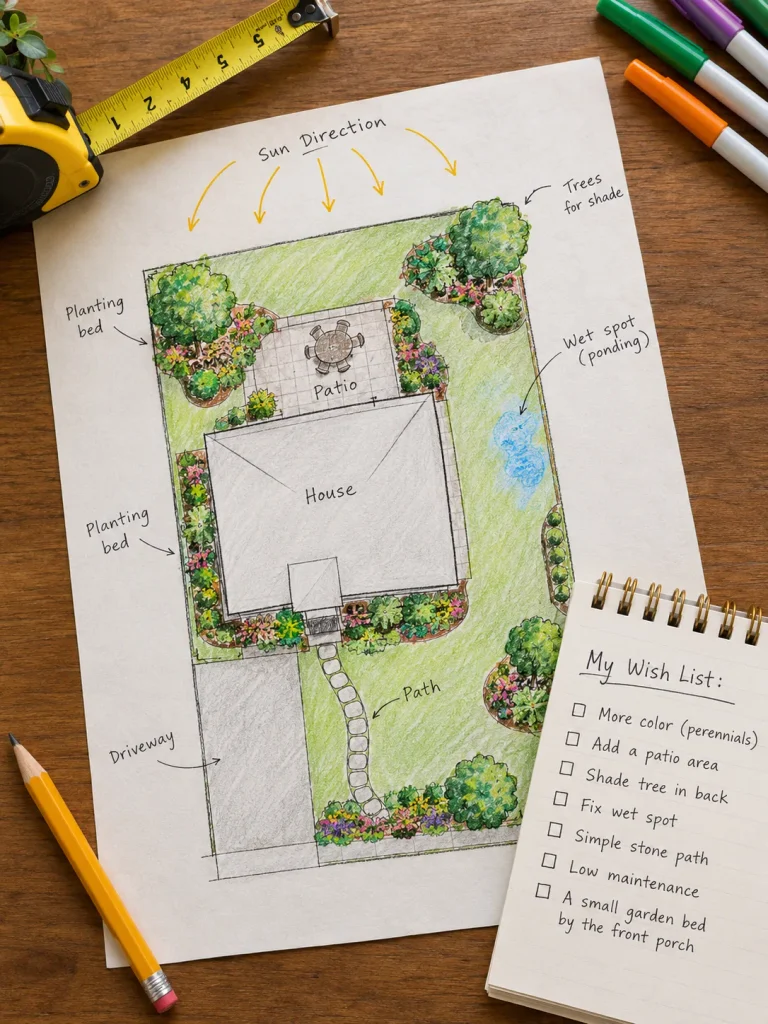
Most yard problems come from missing plans, not from poor care. If your yard keeps having the same trouble, such as puddles, dead patches, or overgrown beds, the cause is often the lack of a design. A simple plan saves money, time, and plants.
Ask the Five Questions First
Landscape designers often start with five basic questions. You can answer them with a pen and paper.
- Who will use the yard? Think about kids, pets, guests, and anyone with limited mobility.
- What do you want? A dining spot, a play area, a veggie patch, a quiet corner, or all of these.
- When will you use it? Morning coffee, summer evenings, or fall parties all call for different features.
- Where will each activity happen? Match each use to the right spot for sun, shade, and access.
- Why are you doing this? Maybe you want more privacy, less mowing, or a better view.
Your answers become your wish list. They also keep you from buying things you will not use.
Walk and Map Your Yard
Spend a day studying your space before you buy anything.
- Sketch the yard and mark the house, trees, fences, gates, and utility lines.
- Note where sun hits in the morning, noon, and late afternoon.
- Mark wet spots, slopes, and places where water pools after rain.
- Write down what you like and what bugs you.
- Take photos from windows and doors, because those are your main views.
Call your local utility locator before any digging. It is free in many areas and prevents costly accidents.
Pick a Style
Your landscape style guides plant, color, and material choices. A few popular styles are:
- Cottage: Soft, loose, and full of flowers.
- Modern: Clean lines, simple plant groups, and stone or concrete.
- Natural or woodland: Native plants, curved paths, and a relaxed feel.
- Mediterranean: Gravel, herbs, olive trees, and drought tolerant plants.
- Formal: Symmetry, trimmed hedges, and straight walkways.
You can also mix styles. Many yards are a hybrid. What matters is that the style feels like you and fits your home.
Use Planning Tools
Free apps and online design tools let you test ideas before you spend money. You can drop in plants, move a patio, and see the look from different angles. Some online services also connect you with designers who make a custom plan from photos and measurements. This helps if you want expert eyes but plan to do the work yourself.
Set a Budget and Phase the Work
Landscape gardening does not have to happen in one season. Break it into phases:
- Phase one: Fix drainage, grade the soil, and build major hardscape.
- Phase two: Plant trees and large shrubs.
- Phase three: Add perennials, groundcovers, and mulch.
- Phase four: Add lights, decor, and finishing touches.
Plan a cushion of about 10 to 20 percent for surprises. Costs can rise when you find buried rocks, bad soil, or rotten fence posts.
Know Your Soil, Sun, and Climate Before You Plant
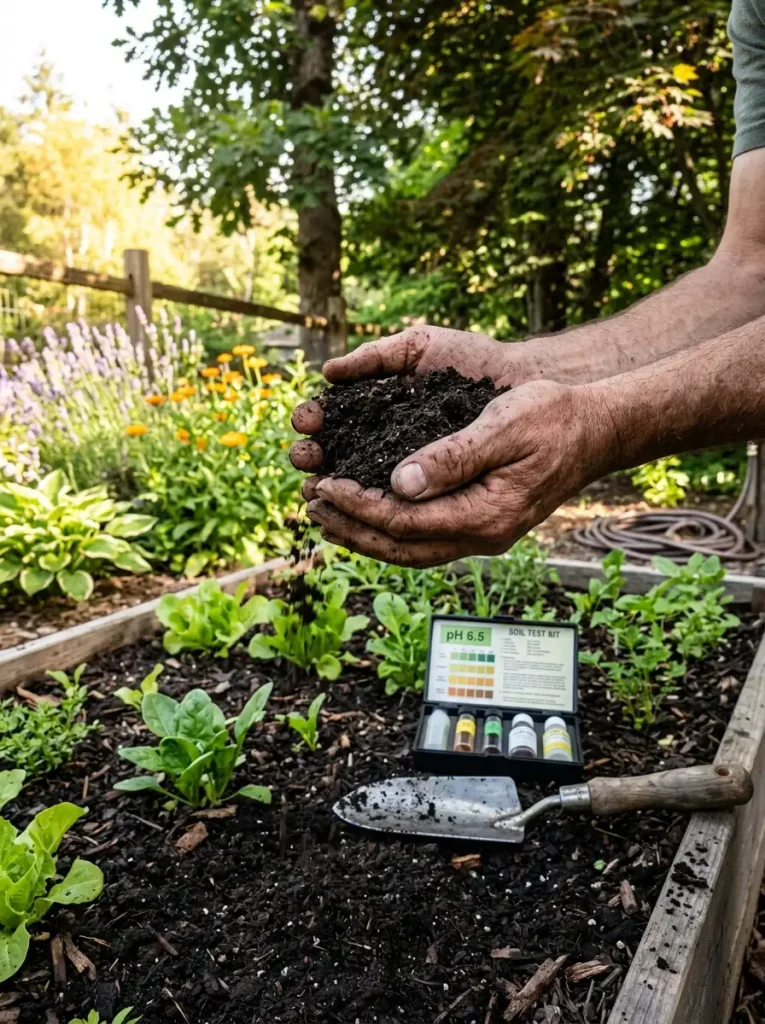
Plants are fussy about where they live. The best plant in the world will struggle in the wrong spot. This section is the secret to fewer dead plants and less work.
Learn Your Hardiness Zone
A hardiness zone tells you the coldest winter temperatures your area usually gets. Plant labels list a zone range. Pick plants rated for your zone or colder, so they survive winter. Zones are a starting point. Wind, snow cover, and city heat can change how a plant behaves in your own yard.
Check Your Soil Type
Soil is the foundation of landscaping and gardening. Three common types are:
- Clay: Heavy, sticky, and slow to drain. It holds nutrients but can drown roots.
- Sandy: Light and fast draining. It dries out quickly and loses nutrients.
- Loam: A balanced mix that most plants love.
A simple test: squeeze a damp handful. If it forms a tight ball that does not crumble, you likely have clay. If it falls apart right away, it is sandy. If it holds together but breaks with a poke, it is closer to loam.
You can also send a sample to a local lab or extension office for a full test. It shows pH and nutrient levels, so you stop guessing.
Amend Your Soil
Most soils improve with organic matter. Mix in compost to help clay drain and help sand hold water. Work it into the top 6 to 8 inches of your planting beds. Avoid digging when soil is soaking wet, since that can damage its structure.
Fix Drainage Problems
Poor drainage is one of the biggest yard headaches. Standing water kills roots and floods patios. Ways to fix it include:
- Regrade the soil so water flows away from the house.
- Add a rain garden with plants that handle wet feet.
- Install a French drain, which is a buried pipe in a gravel trench.
- Use permeable pavers or gravel so water can soak in.
- Redirect downspouts to planted areas or a rain barrel.
Managing runoff also reduces post storm cleanup, flooding, and pollution in your area.
Read the Light
Sort your yard into four light zones:
- Full sun: 6 or more hours of direct light.
- Part sun: 4 to 6 hours.
- Part shade: 2 to 4 hours, often with morning light.
- Full shade: Less than 2 hours.
Match each plant to its zone, and you will avoid most disappointment.
Choose the Right Plants for Landscape Gardening
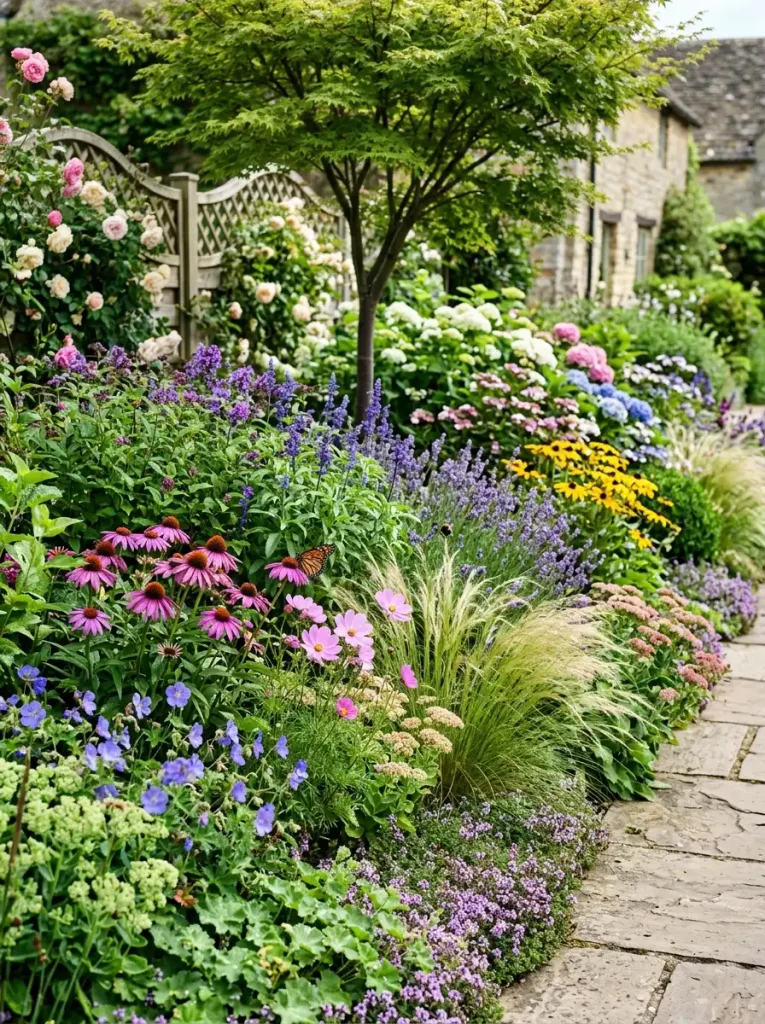
Plants are the heart of landscape gardening. They give color, shade, scent, food, and life. The first rule is simple: pick plants that are well suited to your site. When the plant matches the place, it needs less water, less feed, and less rescue.
Go Native When You Can
Native plants have lived in your region for ages. They are used to local rain, soil, and wildlife. They tend to need less water and fewer chemicals, and they feed local pollinators and birds. Ask your local nursery, extension office, or native plant society for a list. Native groundcovers are a strong pick because they cover bare soil and keep weeds down.
Build in Layers
Think of your garden as a layered scene:
- Canopy: Large trees that give shade and height.
- Understory: Smaller trees and tall shrubs.
- Shrub layer: Mid sized plants that give structure.
- Perennials and grasses: Flowers and texture that return each year.
- Groundcover: Low plants that spread and protect the soil.
Layers look rich and natural, and they use space well.
Pick Plants for Every Season
A yard should not look good for only two weeks in June. Plan for four seasons:
- Spring: Bulbs, flowering shrubs, and fresh foliage.
- Summer: Perennials, ornamental grasses, and fragrant herbs.
- Fall: Trees and shrubs with bright leaf color, plus late blooming perennials.
- Winter: Evergreens, plants with interesting bark, seed heads left standing, and colorful berries.
Evergreens keep structure and privacy when everything else sleeps. Ornamental grasses add movement and soft sound, and they look great in fall and winter.
Match Plants to Tough Spots
- Dry sunny spots: Lavender, sage, yarrow, sedum, and many native prairie plants.
- Shade: Hostas, ferns, hellebores, and shade tolerant shrubs.
- Wet areas: Native sedges, swamp milkweed, and some willows.
- Small yards: Compact trees and dwarf shrubs that stay in scale.
- Slopes: Deep rooted groundcovers and grasses that hold the soil.
Create Smart Plant Combinations
Pair plants that share the same sun and water needs. Mix leaf shapes and sizes for contrast. Repeat a few favorites across the yard so the design feels connected. Plant in groups of three or five instead of lines of one, since groups look more natural.
Avoid Invasive Plants
Some plants look lovely but spread wildly and crowd out natives. Check your regional invasive plant list before you buy. Choose a native or well-behaved alternative instead. This protects wild areas and saves you from endless pulling later.
Be Careful With High Care Plants
Annuals, heirloom roses, and some fussy flowers need constant care, deadheading, and cleanup. They can be wonderful in a few pots or a small bed. If your goal is less work, use them as accents and build the rest of your yard with tougher plants.
Use Lawn Wisely
Grass is useful for play and for a soft look, but it is also the most demanding part of many yards. Cutting your lawn area is one of the fastest ways to cut upkeep. Replace unused turf with mulch beds, groundcovers, gravel, or paving. If you want green with less water, look at clover mixes, native grasses, or good quality artificial turf for small spots. For the lawn you keep, fall is a great time to seed or lay sod, because cool nights and warm days help roots settle in.
Add Hardscape and Features to Your Landscaping and Gardening Plan
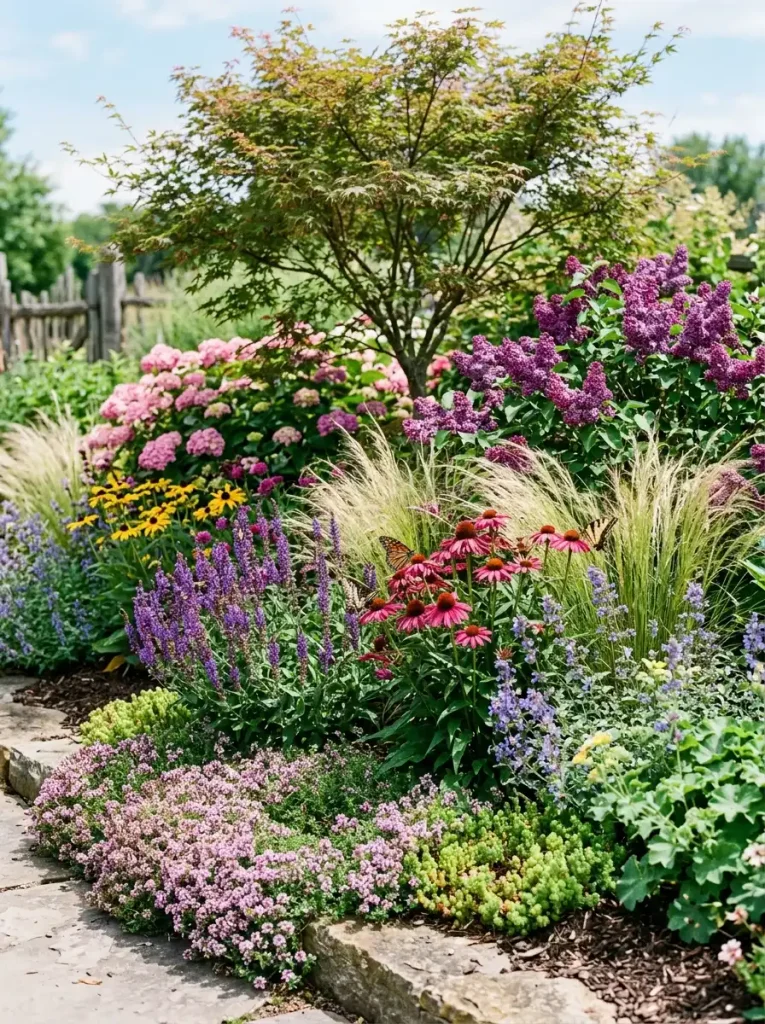
Hardscape gives your yard structure and makes it easier to use. It also holds the design together in winter, when plants are bare.
Patios and Seating Areas
A patio gives you a stable spot for tables, chairs, and a grill. Common materials include:
- Natural stone: Strong, long lasting, and beautiful. Flagstone gives a rustic look.
- Concrete pavers: Easy to install, affordable, and available in many styles. Some brands copy the look of flagstone at a lower cost.
- Gravel or decomposed granite: Budget friendly and good for drainage.
- Poured concrete: Smooth and modern, though it does not let water soak through.
Choose a size that fits your furniture with room to move. A common starting point for a dining set is about 10 by 12 feet.
Walkways and Paths
Paths guide people through your garden and protect your plants from foot traffic. Make main paths wide enough for two people, around 4 feet. Garden paths can be narrower. Curved paths feel relaxed. Straight ones feel formal. Light colors show up better at night.
Retaining Walls
If your yard has a slope, a retaining wall can create flat spaces for planting or seating. It also helps fix drainage and erosion. Stone and interlocking blocks last longer than wood, which can rot over time. Tall walls need proper footings and drainage, so call a pro for anything over about 3 feet.
Lighting
Lighting makes your yard safer and gives you more evening hours. Use low voltage or solar lights along paths and steps. Add uplights to trees for drama. Soft, warm lights usually look best. Keep it simple, since too many lights can feel harsh.
Water Features
A small fountain, bubbling rock, or pond adds sound and draws birds. Bubbling rocks are a popular choice because they are compact and safer for homes with small children, since there is no deep standing water. Always keep pumps clean and check them each spring.
Privacy Screens
You do not need a tall solid fence to feel private. Layer evergreens, tall grasses, or flowering shrubs along the boundary. A mix looks more natural and supports wildlife. A trellis with climbing plants also works well in tight spaces.
Fire Pits and Outdoor Living
A fire pit or a simple seating circle gives you a gathering spot. Check local rules and keep it a safe distance from structures and trees. A garden backdrop behind the seating makes the space feel finished.
Care for Wood Features
Wood fences, decks, and pergolas look warm, but they need care. A yearly clean and seal helps them last longer. It is not a low maintenance task, but it protects your investment.
Make Your Landscape Gardening Low Maintenance (and Care for It All Year)
![Low maintenance landscape gardening bed with mulch, drip irrigation and clean edging]](https://stylishhomecorner.com/wp-content/uploads/2026/10/Low-maintenance-landscape-gardening-bed-with-mulch-drip-irrigation-and-clean-edging-765x1024.webp)
Many people ask for a yard that takes care of itself. Here is the truth: low maintenance does mean no maintenance. It means smart design that cuts the work to a few easy jobs.
Seven Ways to Cut Your Workload
- Right plant, right place. Matching plants to sun, soil, and water is the biggest time saver.
- Use mulch. A 2 to 4 inch layer of mulch keeps in moisture, blocks weeds, and feeds the soil as it breaks down. Keep it a few inches away from trunks and stems.
- Shrink the lawn. Less grass means less mowing, feeding, and watering.
- Choose tough plants. Perennials, shrubs, and groundcovers that suit your zone need little help.
- Add edging. A clean edge between lawn and bed keeps grass from creeping in.
- Water smart. Drip lines and soaker hoses deliver water right to roots. A smart controller can skip watering when rain is coming. Water deeply and less often, early in the morning.
- Use hardscape on high traffic spots. Paving or gravel handles wear better than grass.
A Simple Seasonal Care Plan
Spring
- Clean up dead leaves and cut back last year’s growth.
- Refresh mulch and edge your beds.
- Test irrigation and fix leaks.
- Start planting after the last frost date.
- Clean ponds and water features before you turn on pumps.
Summer
- Water deeply in the early morning.
- Watch for pests and spot treat early.
- Pull weeds before they set seed.
- Deadhead flowers that you want to rebloom.
- Mow grass a bit higher in hot weather to shade the roots.
Fall
- Plant trees, shrubs, and perennials. Cooler weather lets roots grow without heat stress.
- Rake or mulch leaves.
- Seed or sod lawns.
- Divide crowded perennials.
- Wrap newly planted evergreens in burlap in cold, windy areas for their first winter.
Winter
- Gently brush heavy snow off branches to prevent breaking, but do not hit icy branches.
- Keep salt away from plant beds.
- Plan next year’s changes and order seeds.
Pests and Wildlife
Common yard pests include aphids, grubs, slugs, and chewing insects. Healthy plants resist problems better, so start with good soil and the right plants. Use hand picking, traps, or gentle sprays before stronger products. Invite helpful insects by growing flowers that feed them. If deer, rabbits, or raccoons visit, choose plants they avoid, add fencing, and keep garbage and pet food sealed.
Budget, DIY or Pro, and Mistakes to Avoid
How to Budget for Landscape Gardening
Costs depend on your location, your materials, and the size of the job. Here is how to keep spending under control:
- Make a priority list. Spend first on drainage, safety, and structures.
- Get at least three quotes for any job you hire out, and ask what each one includes.
- Plant smaller sizes of trees and shrubs. They cost less and often catch up quickly.
- Use free or cheap materials: divided perennials from friends, wood chips from tree crews, and leaf mold from your own yard.
- Buy off season. Nurseries often discount plants in late summer and fall.
Should You DIY or Hire a Pro?
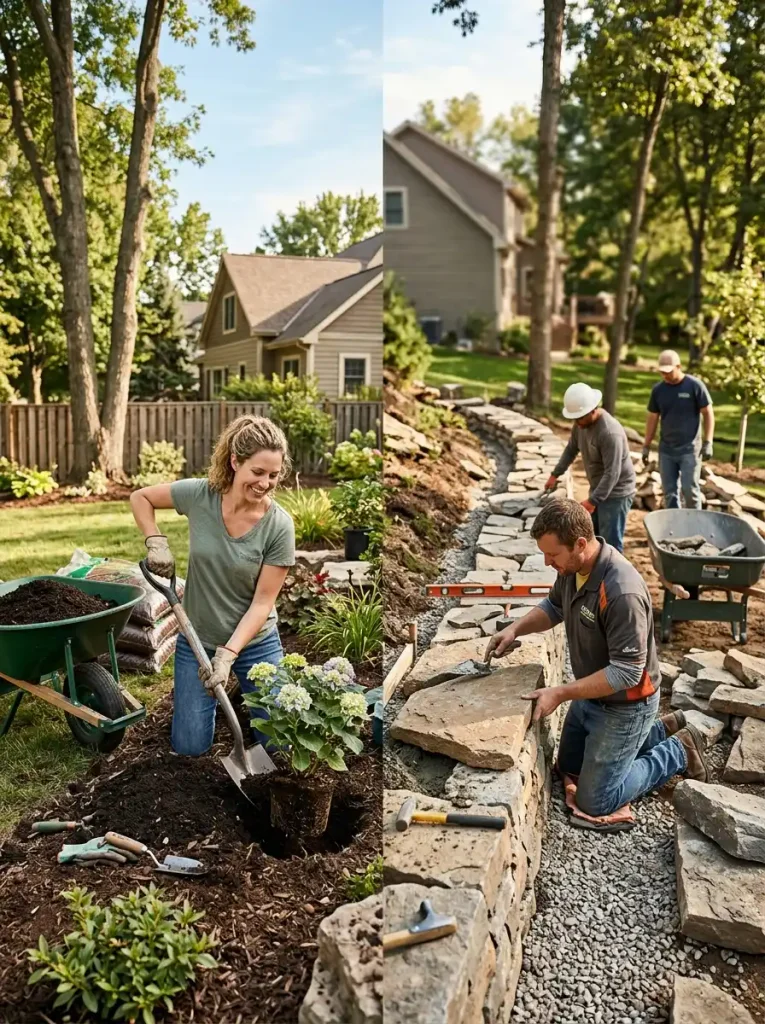
DIY works well for planting, mulching, small paths, and simple beds. It saves money and gives you hands on skill. Hire a pro when the job involves:
- Retaining walls taller than about 3 feet
- Major grading or drainage
- Large trees near buildings or power lines
- Electrical lighting work
- Irrigation systems with complex zones
- Pools, ponds, and large patios
A hybrid works well too. Pay a designer for a plan, then do the planting yourself.
Common Mistakes to Avoid
- Planting too close. Read the mature size on the tag and space plants to match.
- Ignoring the sun. A shade plant in full sun will burn.
- Skipping soil prep. Poor soil leads to weak plants.
- Overwatering. Soggy roots rot. Check the soil before you water.
- Piling mulch against trunks. This invites rot and pests.
- Buying on impulse. Always check that a plant fits your site first.
- Forgetting winter. Add evergreens and structure so the yard looks good all year.
- Doing everything at once. Phased projects are easier on your wallet and your back.
Frequently Asked Questions
What is the difference between landscaping and gardening?
Gardening is the act of growing plants, such as flowers or vegetables. Landscaping is the bigger plan that includes plants, paths, patios, walls, and lighting. Landscape and gardening work together to make a yard that is both pretty and practical.
What is the easiest way to start landscape gardening?
Start with a simple sketch of your yard and a list of what you want. Fix any drainage problems, then plant one small area well. Use plants that suit your sun, soil, and zone. Add mulch and grow from there.
How can I make my landscaping and gardening low maintenance?
Pick plants that fit your site, use a thick layer of mulch, reduce your lawn, and install drip irrigation. Choose hardscape for high traffic areas. Remember that every yard needs some care, so aim for less work, not none.
When is the best time to plant?
Fall and spring are the best times in most climates. Fall is great for trees, shrubs, and perennials because the soil is warm and the air is cool. Spring works well once the frost danger is over. Check your local frost dates and plant label directions.
Do I need a professional landscape designer?
Not always. Many people plan a yard on their own with a good sketch and research. A designer can help with big projects, tricky slopes, drainage, or if you want a polished plan. Some people pay for a design only and do the work themselves.
Conclusion
Landscape gardening turns an ordinary yard into a place you love to be in. With thoughtful gardening practices, it starts with a plan, grows with the right plants, and gains strength from smart hardscape. When you match plants to your site and keep your design simple, you get a beautiful yard with less stress.
You do not have to finish everything this season. Pick one project, such as improving a bed, adding mulch, or planting a native shrub. Then build from there, one step at a time. Grab a notepad, walk your yard, and write down your first three goals today. Your future yard will thank you.